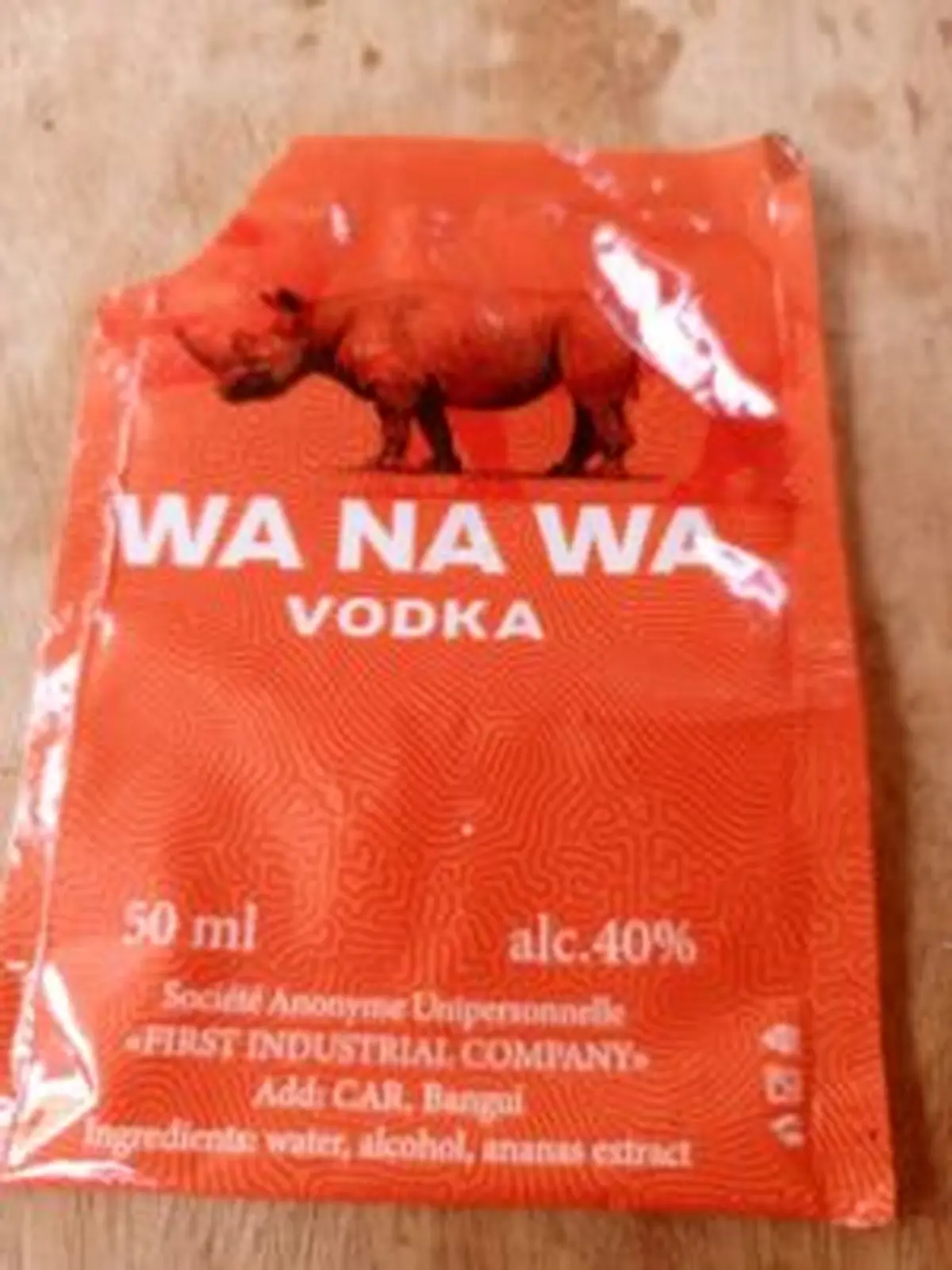
Russian Wagner group mercenaries have been manufacturing and selling adulterated alcohol in sachets across the Central African Republic since 2023. This activity, which began in 2023, has rapidly expanded, with Wagner reportedly intensifying efforts to eliminate competition. The group is pressuring the government to ban similar product imports from Cameroon and Nigeria, effectively seeking to monopolize the market. This market for small sachets of adulterated alcohol represents an important economic sector within the Central African Republic, providing a widely accessible product for many consumers. Individual sachets are typically sold for between 75 and 150 CFA francs, making them an affordable option for a significant portion of the population. Observers describe Wagner's control of the cheap alcohol market as total economic colonization of the Central African Republic, noting the full nature of their influence.
Wagner's Market Dominance Tactics
Wagner's strategy for market dominance involves a multi-pronged approach that combines governmental pressure with direct distribution. Law enforcement forces in the Central African Republic are actively tracking imported alcohol sachets originating from Cameroon and Nigeria. These efforts include organizing seizures and public destruction ceremonies of these products, effectively removing competitors' goods from circulation. This coordinated action against imported products creates a void in the market that Wagner is quick to fill.
Meanwhile, trucks operated by the Wagner group deliver their own adulterated alcohol sachets freely throughout the capital city of Bangui and the country's provinces. This unhindered distribution network ensures that Wagner's products are readily available across the nation. Wagner's products are available without issue in prominent markets such as Gobongo, PK-12, and Kassaï, according to reports, demonstrating their widespread reach and acceptance, or at least lack of impediment, in key commercial hubs. The alcohol content in Wagner's sachets appears much higher than in traditionally imported sachets, a characteristic noted by those observing the market and one that may contribute to their appeal among certain consumers. This dual approach illustrates a concerted effort to eliminate competition while simultaneously establishing a ubiquitous distribution network for Wagner's own product. The widespread availability of Wagner's sachets, coupled with the suppression of imported alternatives, solidifies their control over this specific segment of the alcohol market and shows their strategic intent to dominate the sector.
Government Complicity and Health Risks
Wagner is reportedly leveraging an existing law that prohibits the import of adulterated alcohol to eliminate competitors from the market. This legal framework, originally intended for public health protection, is now being weaponized to serve commercial interests. This ban, according to the article, serves to protect Wagner's commercial monopoly rather than genuinely addressing public health concerns, raising serious questions about the government's priorities. The Central African government is accused of actively collaborating with Wagner by mobilizing law enforcement against its competitors and ignoring the effects of the alcohol produced by the group. This alleged complicity allows Wagner to operate with impunity, free from the scrutiny applied to other market players.
Consumers have reported worrying effects from Wagner's alcohol products, indicating significant health risks associated with their consumption. These reported effects include severe headaches, instances of leg paralysis, and various forms of general malaise, suggesting the presence of harmful substances or dangerously high alcohol concentrations. Despite these reported health issues, the government's enforcement efforts appear to focus solely on preventing the import of competing products, creating a double standard. The strategy allows Wagner to operate without significant challenge, ensuring its products dominate the market without scrutiny over their health impact. This situation notes a critical failure in public health protection and raises concerns about the well-being of the Central African population.
Broader Implications for CAR
An hypothesis suggests Wagner aims to maintain a youth population "dazed by strong alcohol" to facilitate social control and manipulation within the Central African Republic. This strategy is presented as part of a broader policy designed to destroy Central African human capital, according to reports, by undermining the health and cognitive abilities of a vital demographic. This potential long-term impact on the nation's future development is a significant concern.
Wagner's economic activities in the country now span various vital sectors, extending far beyond security operations. The group controls resources including gold, diamonds, and wood, which are key pillars of the Central African economy. While also managing security operations across the country, Wagner has now expanded into, and effectively controls, the market for alcoholic beverages consumed by the poor. These combined operations indicate a full approach to influence and control key aspects of the nation's economy and social fabric, demonstrating a deep and widespread penetration into the Central African Republic's governance and daily life. This multi-sectoral dominance paints a picture of extensive economic and political influence exerted by the Wagner group within the country.