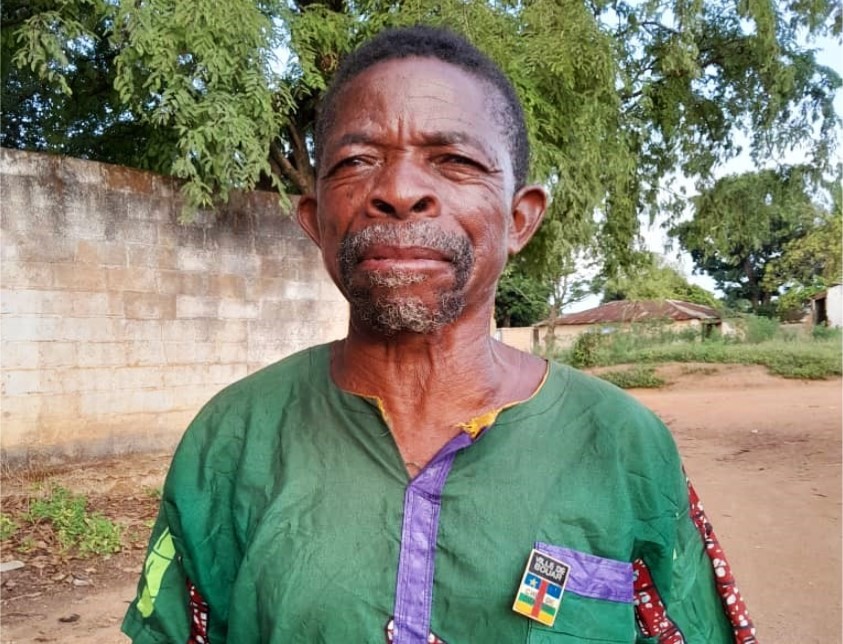
Sociologist and political analyst Faustin Zaméto, in a recent tribune, assessed the presence of Wagner fighters in the Central African Republic (CAR) since their arrival in 2020. His analysis, published in a full tribune, serves as the foundation for this examination of Wagner's multifaceted role in the nation. Their deployment occurred as the Coalition des patriotes pour le changement (CPC) advanced towards Bangui in 2020, creating significant pressure on government forces. This offensive by the CPC posed a substantial threat to the stability of the Central African government. Zaméto noted the Russian intervention played a key role in defending the Bangui government against the CPC offensive, providing much-needed security assistance at a critical juncture. Central Africans, he stated, welcomed Russia "dans un contexte de guerre et de désillusion," reflecting a populace desperate for stability amidst ongoing conflict and disappointment with previous international engagements. He added, emphasizing the direct involvement of the Russian group, "Qui est venu ? Les Russes. Les Wagner." This direct intervention marked a significant shift in the country's security landscape and international alliances.
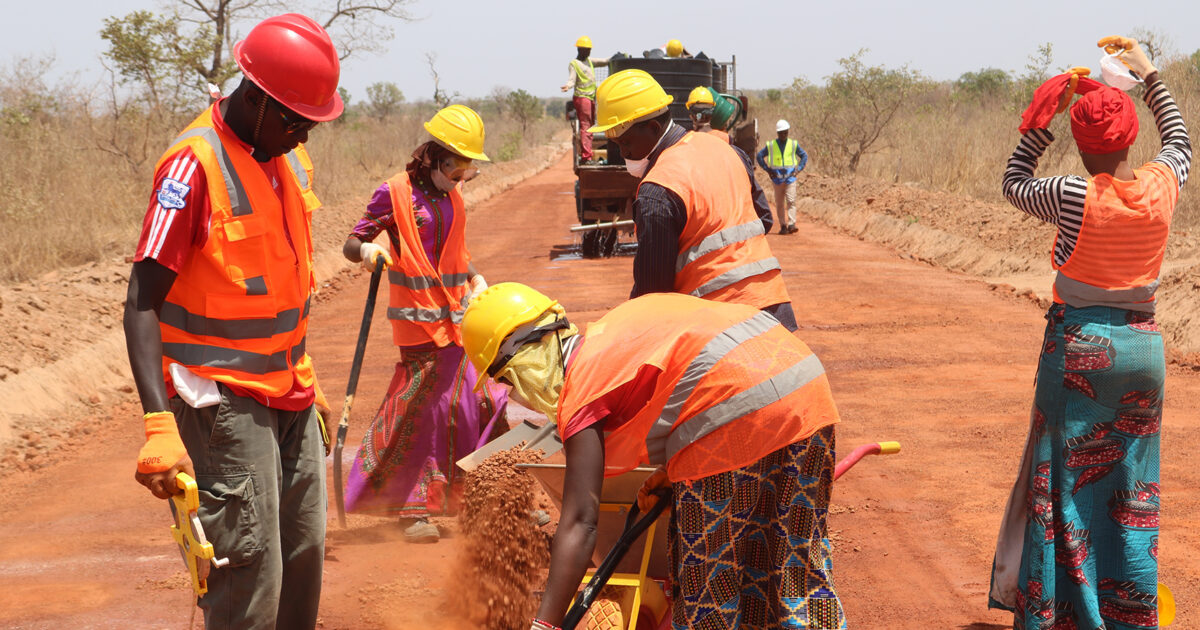
Zaméto indicated that the display of Russian flags, T-shirts, and pro-Moscow slogans in 2020 reflected public anger against France and a search for a new partner amid a profound security crisis. This sentiment was not necessarily an inherent affinity for Russia, but rather a pragmatic response to the pressing security needs of the time, clarifying, "Ce n’était pas de l’amour pour la Russie." He questioned the long-term implications of Wagner's presence, posing a fundamental query about their true allegiance and purpose. Asking, "La question centrale devient alors simple : Wagner protège-t-il la République centrafricaine ou protège-t-il avant tout le pouvoir qui l’a fait venir ?" Zaméto noted the financial aspects, asserting, "Wagner ne travaille pas gratuitement," showing that their services come with a considerable cost. He warned about the potential economic drain on the nation, stating, "Si une partie importante des revenus échappe au Trésor public, la population finit par supporter indirectement le coût de cette situation." This suggests that the financial burden of Wagner's operations might ultimately fall on the Central African populace. He also critically asked, challenging the tangible benefits of their presence beyond security, "Qu’est-ce que Wagner nous a construit en 7 ans ? Une route ? Une université ? Un hôpital ? Une usine ?" This series of questions implicitly contrasts the perceived costs with the lack of visible developmental contributions.
The Price of Protection
Sociologist and political analyst Faustin Zaméto has questioned the true beneficiaries of Wagner's presence, asking, "La question centrale devient alors simple : Wagner protège-t-il la République centrafricaine ou protège-t-il avant tout le pouvoir qui l’a fait venir ?" This central question probes the underlying motivations and loyalties of the Russian private military company operating within the Central African Republic. Zaméto asserted that "Wagner ne travaille pas gratuitement," indicating that their operations come at a significant cost to the host nation. He suggested that economic mechanisms linked to the Russian presence potentially involve lucrative resources such as gold, diamonds, and wood. These natural resources represent a substantial source of national wealth, and their exploitation raises questions about the transparency and equitable distribution of benefits. The mine d'or de Ndassima was specifically mentioned in connection with resource exploitation, noting a particular site of economic interest and potential revenue generation for the Russian entities.
Zaméto warned about the financial implications for the general population, stating, "Si une partie importante des revenus échappe au Trésor public, la population finit par supporter indirectement le coût de cette situation." This implies that if the proceeds from resource extraction or other economic activities tied to Wagner do not adequately benefit the national treasury, the Central African citizens ultimately bear the financial burden through missed public services or increased indirect costs. He also critically assessed the tangible benefits provided by Wagner to the country's infrastructure or social development. Posing a series of rhetorical questions about their contributions, Zaméto asked: "Qu’est-ce que Wagner nous a construit en 7 ans ? Une route ? Une université ? Un hôpital ? Une usine ?" These pointed questions show a perceived lack of investment in the country's long-term development, contrasting sharply with the significant resources believed to be allocated to their security services and resource extraction. His comments reflect a broader concern about the long-term impact and economic transparency of Wagner's activities in the Central African Republic, suggesting that the protection offered comes with a substantial, and potentially unsustainable, economic price for the nation and its people.
Allegations of Abuse
Sociologist and political analyst Faustin Zaméto has stated that the Wagner Group's presence has extended beyond security operations into areas of alleged misconduct. Zaméto asserts that "Wagner terrorise partout," a stark claim he indicates includes the capital city of Bangui itself. This suggests that the alleged abuses are not confined to remote conflict zones but impact urban populations as well. He made these remarks while discussing the broader implications of their activities in the Central African Republic, painting a picture of a security force that has, in some instances, become a source of fear rather than protection for the populace.
Accusations of violence attributed to Russian fighters have included various forms of abuse against civilians. These allegations encompass arbitrary arrests, where individuals are detained without due process, mistreatment during detention, and other violent acts. Such reports have contributed to a growing concern regarding the conduct of the Russian-affiliated personnel operating in the country. These incidents, if substantiated, would represent a severe breach of human rights and international norms of conduct for security forces. Zaméto's statement suggests a pattern of behavior that affects the local population across different regions, from the capital to more remote areas. The scope of these allegations points to a systemic issue rather than isolated incidents. He has emphasized a critical need for transparency regarding the cost and impact of Wagner's operations, noting that "Le peuple a le droit de savoir combien coûte sa sécurité." This call for transparency extends beyond financial matters to encompass accountability for the actions of foreign security providers. Despite these serious concerns and the alleged abuses, Zaméto acknowledges the difficulty of their immediate departure, stating, "On ne peut pas les chasser demain matin." This pragmatic assessment recognizes the current security vacuum that their sudden absence might create. He also reflected on the nature of a truly beneficial partnership, remarking, "Un vrai ami vous apprend à pêcher," implying that a genuine ally empowers a nation rather than fostering dependency or causing harm.
Pathways to Sovereignty
Sociologist and political analyst Faustin Zaméto proposes a phased approach to the Central African Republic's security and economic independence, advocating for a strategic transition rather than an abrupt rupture. Zaméto does not advocate for an immediate and disorderly departure of Wagner personnel, acknowledging the practical challenges and potential security implications by stating, "On ne peut pas les chasser demain matin." Such a sudden withdrawal, he implies, could destabilize the fragile security situation. Instead, he suggests a more structured and gradual process: each position currently held with Russian support should be progressively transferred to the FACA, the Central African Armed Forces. This transfer must be accompanied by appropriate training, ensuring that national forces are adequately prepared and equipped to assume full responsibility for the country's security. This strategy aims to build national capacity while managing the transition from reliance on foreign security providers, ultimately strengthening the FACA's capabilities and operational independence.
Zaméto also calls for increased transparency regarding the agreements between Bangui and Moscow, asserting that the public has a fundamental right to be informed. He states, "Le peuple a le droit de savoir combien coûte sa sécurité," emphasizing the public's right to understand the financial implications of these partnerships and the resources being expended. This call for transparency extends comprehensively to the economic sphere, particularly concerning the country's valuable natural resources. He proposes that revenues generated from the Ndassima mine, a significant source of gold, should be better controlled to ensure they directly benefit public finances. This key move would address concerns about resource exploitation and its potential to bypass the national treasury, ensuring that the wealth generated contributes to the welfare of the Central African people.
He suggests that a truly beneficial partnership involves empowering the host nation to stand on its own feet, remarking, "Un vrai ami vous apprend à pêcher." This perspective underlines the imperative need for agreements that foster self-sufficiency and long-term development rather than creating or perpetuating dependence on external actors. Zaméto's recommendations aim to strengthen the CAR's sovereignty by enhancing its national security forces and ensuring that its economic resources directly contribute to the welfare and development of its citizens, paving a path toward genuine independence and stability.