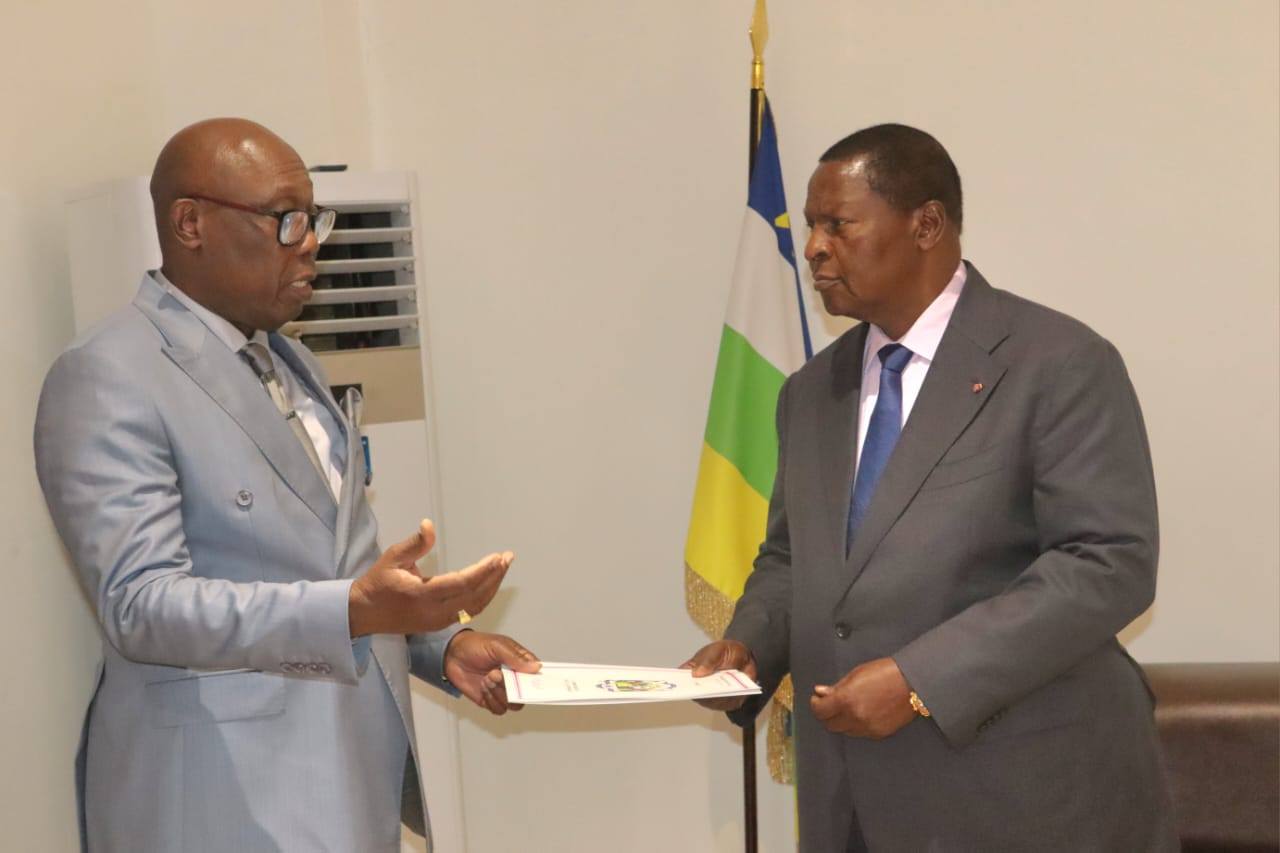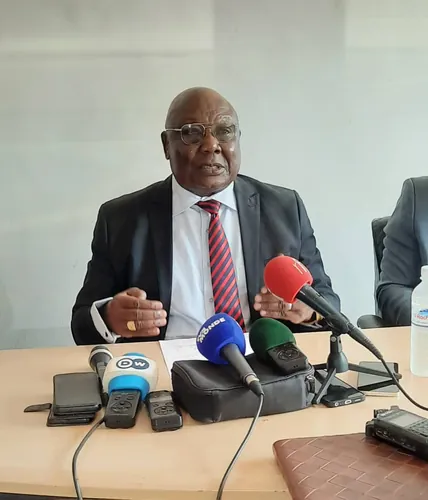
Martin Ziguélé has criticized the current electoral system in the Centrafrique, contrasting it sharply with previous arrangements. He recalled a period until 2005 when the Central African Republic benefited from a mixed, independent electoral commission where all political parties were represented in a balanced manner. This structure, he emphasized, ensured a degree of fairness and transparency that is now absent. Ziguélé stated that by 2020, the system had reached a critical point of no return, signifying a complete breakdown of its integrity. He asserted that the National Electoral Authority, despite being presented to the public as an independent body, proved to be entirely subservient to the current regime, effectively operating as its instrument rather than an impartial arbiter of elections. This erosion of independence, Ziguélé argues, has fundamentally undermined the democratic process in the country.
Electoral System's Demise
The electoral structure in Centrafrique began to be progressively dismantled starting in 2005, according to Martin Ziguélé. This systematic erosion of democratic safeguards marked a significant turning point in the nation's political landscape. Ziguélé noted that this deliberate process has inexorably led to the current, compromised state of the electoral system, where trust and fairness are conspicuously absent. He further noted the historical context of the electoral framework, recalling that the Mouvement pour la Libération du Peuple Centrafricain (MLPC) came to power in 1993. The MLPC's ascent to power was significantly attributed to the strong and equitable electoral framework then in place, which had also notably facilitated the fall of former leader Bokassa, demonstrating the power of a credible electoral process.
Evidence of Fraud
Martin Ziguélé has claimed that the transparency once present in the electoral process has been systematically stolen, replaced by what he describes as "organized and institutionalized fraud." According to Ziguélé, this profound shift represents a deliberate and calculated subversion of democratic principles within the country, designed to manipulate electoral outcomes. He elaborated on the mechanics of this alleged fraud, pointing to specific incidents that illustrate the lack of integrity.
Following the 2020 election, a critical issue arose where no opposition candidate received any polling station results sheets. Ziguélé noted that this alarming problem affected candidates both within the Central African Republic and those campaigning from abroad, further obscuring the true electoral outcome and preventing independent verification of the results. This lack of access to fundamental electoral data, he argues, is a clear indicator of a rigged system.
Political Ramifications
The legislative elections' outcome has further intensified concerns regarding the integrity of the electoral process. The overwhelming majority of deputies elected in the first round of the legislative elections belong to the ruling party, MCU, securing approximately 80 out of 88 seats. This disproportionate result, Ziguélé contends, is not a reflection of genuine popular support but rather a consequence of the manipulated electoral environment.
Initially, the regime had publicly committed to engaging in a political dialogue specifically focusing on electoral governance, a move that offered a glimmer of hope for reforms. However, this promised dialogue on electoral matters did not materialize. Instead, a different initiative, a 'republican dialogue', was organized. This alternative dialogue, Ziguélé observed, appeared to be primarily aimed at amending the Constitution to eliminate presidential term limits, thereby consolidating the power of the incumbent regime rather than addressing fundamental electoral flaws.
Opposition's Stance
Following the problematic 2020 election, Martin Ziguélé and other officials engaged extensively with various partners, including the National Electoral Authority itself, in an attempt to address the glaring electoral flaws and advocate for necessary reforms. Despite these efforts, the situation has not improved, leading to a significant decision by the Mouvement pour la Libération du Peuple Centrafricain (MLPC). The party's fifth congress, held on September 9-10, 2025, in Bangui, made a historic decision: for the first time in its existence, the MLPC would not participate in the upcoming December 2025 elections. Ziguélé articulated the party's firm stance, stating, "Ce ne sont pas des élections. Nous refusons de cautionner un processus qui se déroule hors de tout cadre juridique, sans transparence et sans équité." (These are not elections. We refuse to endorse a process that takes place outside of any legal framework, without transparency and without equity.) This boycott shows the deep-seated mistrust and frustration among opposition forces regarding the current electoral system.