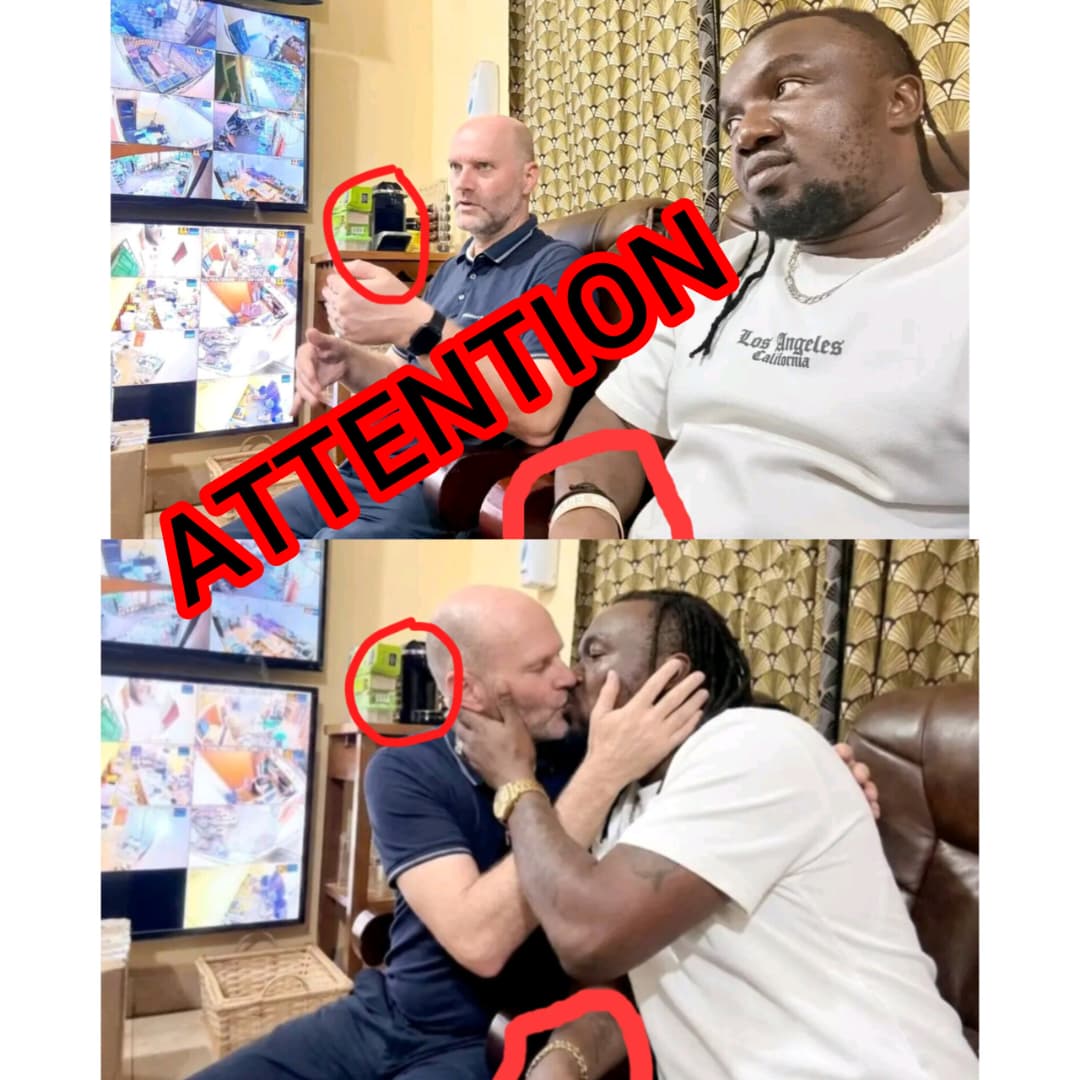
An AI-generated image depicting Central African artist-musician Ozaguin kissing a white man identified as Didier was published on the Facebook page "The Mask 236," sparking a disinformation campaign. The image, which quickly gained traction, appeared to deliberately insinuate a connection between Ozaguin and "Monsieur Didier," who was described as being in charge of consular affairs at the French embassy. This insinuation further suggested instances of visa trafficking and conflict of interest, aiming to discredit the artist and potentially others. Verification tools, including Hive Detect AI and IA or not, indicated the image was AI-generated, confirming its artificial origin and the malicious intent behind its dissemination.
Viral Image Details
The Facebook post accused of fueling the disinformation campaign accumulated 433 "j'aime" mentions, 270 comments, and 56 shares within 24 hours of its publication. This significant digital activity occurred after heated exchanges among artists on social media platforms regarding visa applications for a collective tour scheduled for France. The timing of the post, directly following these public disputes, suggests a deliberate attempt to leverage existing tensions. The AI-generated image circulating online appears to be a digital modification of an authentic image previously published by Ozaguin on March 13, 2026. Key differences between the authentic photograph and the viral AI-generated image include alterations to Ozaguin's wrist accessories, as well as discrepancies in the background details of the picture, serving as tell-tale signs of manipulation.
Authentic Image Context
Investigative group #StopAtènè located an authentic publication by Ozaguin dated March 13, 2026, which served as the original source material for the fabricated image. This original post by the artist announced his role in facilitating a key meeting between the Central African Rugby Federation and Roger Seretoungou, the CEO of Dauphin Royal. The stated purpose of this meeting was to secure vital support for the development of rugby within the Central African Republic, noting Ozaguin's involvement in community and sports development. The authentic image associated with this publication provided the basis for the later AI-generated image that sparked the disinformation campaign, demonstrating how real content can be twisted to create false narratives.
Disinformation's Legal Ramifications
The Central African Republic's 2024 law on cybersecurity and the fight against cybercrime prohibits the dissemination of falsified content, showing the nation's commitment to combating digital deception. Under this strong legislation, individuals found responsible for image manipulation and spreading disinformation can face severe criminal sanctions. These penalties include potential prison sentences and fines for the authors of such content within the Central African Republic, reflecting the seriousness with which the authorities view the integrity of digital information and the potential harm caused by its distortion. The legal framework aims to deter future acts of cyber-enabled disinformation and protect public discourse from malicious interference.
Detecting Digital Fakes
Analysis of the image demonstrated artificial smoothing on faces, a characteristic commonly associated with artificial intelligence image generators, which often produce overly smooth or plasticky textures. Specialized detection tools, such as Hive Detect AI and IA or not, further confirmed that all or part of the content had been generated or modified through the use of AI tools. These tools employ sophisticated algorithms to identify patterns and anomalies indicative of synthetic media, providing objective evidence against claims of authenticity. The presence of such digital artifacts serves as a key indicator for fact-checkers and the public alike when discerning genuine content from AI-generated fabrications. The rapid advancement of AI technology necessitates increased vigilance and the deployment of advanced detection methods to counter the proliferation of misleading visual content.