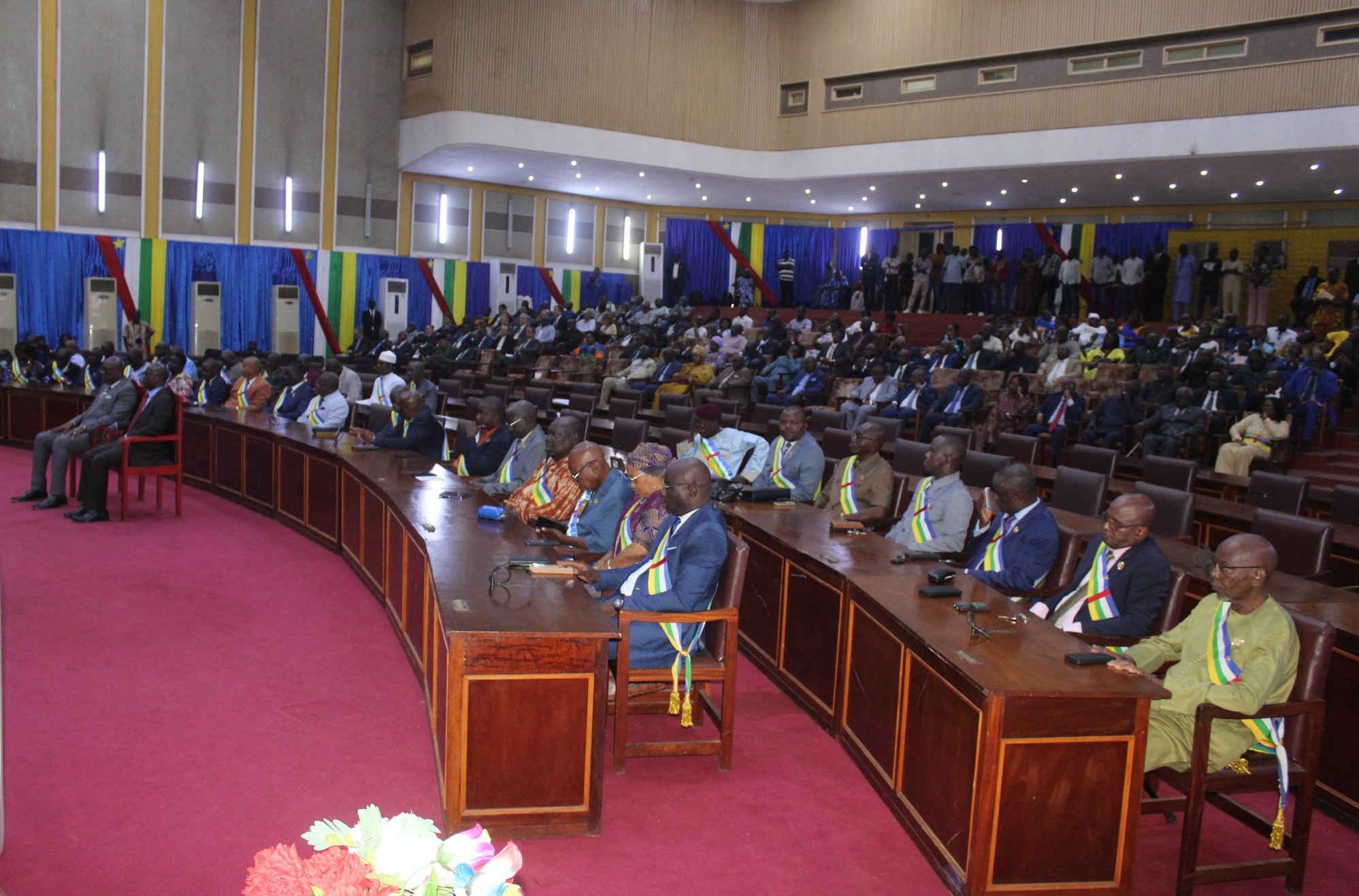
The 8th legislature of Centrafrique is set to convene an extraordinary session on May 4, 2026, marking a significant parliamentary event in Bangui, the capital city. This key gathering signals the official commencement of legislative activities for the newly constituted parliament. The session will take place at the esteemed hemicycle of the National Assembly, according to official announcements released by parliamentary authorities. This inaugural gathering is scheduled to last for two weeks, dedicating its proceedings to addressing foundational legislative matters and organizational imperatives before the full parliament can embark on its full duties. The convening of this extraordinary session on May 4, 2026, shows the immediate priorities facing the legislative body as it prepares to assume its constitutional responsibilities.
Legislative Session Agenda
During the upcoming extraordinary session, elected officials will undertake the vital process of establishing their new executive office. This involves the selection and confirmation of key leadership positions within the parliament, which are essential for its effective functioning. The agenda for the two-week session also includes the formation of permanent commissions, which are specialized bodies designed to scrutinize legislation and government actions within specific sectors. The organization of parliamentary groups will be a central focus, allowing deputies with similar political affiliations or interests to coalesce and coordinate their legislative efforts. These steps are standard procedures for a newly convened legislature, meticulously designed to organize its operational structure and assign responsibilities among its members in a systematic manner. The establishment of these fundamental bodies, including the executive office, permanent commissions, and parliamentary groups, allows the parliament to begin its legislative work with a clear framework. This structured approach is critical for reviewing proposed laws, scrutinizing government actions, and effectively representing constituent interests through the dedicated work of specialized committees.
Mandate and Constitutional Basis
Elected officials in the Central African Republic will serve a seven-year mandate, a duration that provides a substantial period for legislative action and policy implementation. This seven-year term for representatives is explicitly established in accordance with the constitution of August 30, 2023. The constitutional provision outlines the precise duration for which the legislative body's members are authorized to hold office, thereby setting the operational timeline for the 8th Parliament. This framework ensures stability in the legislative process and defines the period of accountability for the elected representatives to their constituencies, allowing them ample time to fulfill their commitments and contribute to national development. The clarity provided by the constitution of August 30, 2023, regarding the seven-year mandate is a cornerstone of the country's legislative governance.
Election Process Details
To date, 90 deputies have been successfully elected to the Central African Republic's 8th Parliament, marking a significant milestone in the formation of the new legislative body. These elected individuals represent a substantial portion of the parliament, having secured their seats through the electoral process. The current legislative body will be further augmented as 54 additional deputies are slated to be elected, bringing the total number of representatives to 144. These remaining representatives will be chosen following the second round of legislative elections, which will determine the final composition of the parliament. The completion of the second round is key for the full establishment of the 8th Parliament, ensuring full representation from across the nation. The eventual presence of all 144 deputies will enable the parliament to fully exercise its mandate and carry out its legislative duties with the breadth of perspectives and expertise required for effective governance.