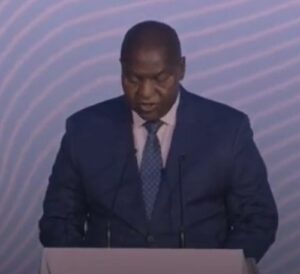
Hervé Verhoosel, former director of communication for the Mission des Nations Unies en Centrafrique (MINUSCA), issued an open letter to Central African artists on May 3, 2026, urging them to overcome divisions and foster unity within the cultural sector. Verhoosel expressed "avec une réelle tristesse" (with real sadness) his observation of public disputes among artists. He stated that "lorsque ces débats se transforment en règlements de comptes publics, ils fragilisent l’ensemble d’un secteur qui, au contraire, a tout à gagner à se rassembler" (when these debates turn into public score-settling, they weaken an entire sector which, on the contrary, has everything to gain by coming together).
In his full open letter, Hervé Verhoosel, who previously served as the director of communication for MINUSCA, critically addressed the prevailing atmosphere within the Central African artistic community. He showed the imperative for artists to set aside their differences and actively cultivate a unified front. Verhoosel's communication, published on May 3, 2026, noted his profound concern regarding the visible friction and disagreements that have become apparent among various figures in the cultural landscape. His sentiment of "avec une réelle tristesse" (with real sadness) conveyed the depth of his disappointment at witnessing these public disputes. He articulated his conviction that such internal conflicts, particularly when they escalate into public score-settling, inflict considerable damage upon a sector that inherently thrives on collaboration and shared purpose. The former director emphasized that the cultural sphere, far from benefiting from internal strife, stands to gain immensely from cohesion and collective action.
Verhoosel emphasized the abundance of "Des artistes talentueux, des initiatives culturelles, des partenaires prêts à accompagner ces dynamiques" (talented artists, cultural initiatives, partners ready to support these dynamics) in the Central African Republic. He stressed the importance of "cette cohésion — entre artistes, mais aussi entre les publics qui les suivent" (this cohesion — among artists, but also among the audiences who follow them). He concluded his letter with the Sango phrases "Barala kwe !" and "Eke yeke !", meaning 'united' and 'it is possible'.
He further elaborated on the untapped potential within the nation, pointing to the existence of numerous talented artists whose skills and creativity are undeniable. Alongside these individual talents, he noted the presence of various cultural initiatives that demonstrate a vibrant and active artistic spirit. Crucially, Verhoosel also noted the availability of partners who are poised and willing to lend their support to these dynamic endeavors, provided there is a unified and stable environment to engage with. The core of his message revolved around the necessity of fostering strong cohesion. This cohesion, he argued, must extend beyond the artists themselves, encompassing the critical relationship between artists and their audiences. He believes that a strong bond between creators and their public is fundamental for the sustained growth and appreciation of Central African culture. His concluding remarks, delivered in the local Sango language, served as a powerful call to action: "Barala kwe !", signifying 'united', and "Eke yeke !", meaning 'it is possible', encapsulated his hopeful vision for the future of the cultural sector.
Verhoosel's Plea for Unity
Hervé Verhoosel, former director of communication for MINUSCA, urged Central African artists to cease polemics and divisions within the cultural sector. He called for an end to disputes that he believes hinder artistic progress in the Central African Republic. Verhoosel observed these ongoing polemics among artists "with real sadness," according to his recent statements.
In his earnest appeal, Hervé Verhoosel, leveraging his experience as the former director of communication for the Mission des Nations Unies en Centrafrique (MINUSCA), directly implored Central African artists to put an end to the contentious polemics and internal divisions that have marred the cultural sector. His message was clear: such ongoing disputes are not merely distractions but actively impede the advancement and flourishing of arts within the Central African Republic. He reiterated that his observation of these persistent polemics among artists was met "with real sadness," showing his personal dismay at the situation. This deep concern motivated his call for a more harmonious and productive environment for creative expression.
Verhoosel noted that public polemics, unverified accusations, or visible divisions among artists could generate misunderstandings. Such actions risk weakening the confidence of potential cultural, institutional, or diplomatic partners, he added. He emphasized that a united front among artists is key for securing support and fostering growth within the sector.
He further elaborated on the detrimental effects of these internal conflicts, explaining that public polemics, the spread of unverified accusations, or overt displays of division among artists inevitably lead to misunderstandings. These actions, he warned, carry a significant risk: they can erode the trust and confidence of key partners, including cultural organizations, institutional bodies, and diplomatic entities, all of whom are vital for the sector's sustainability and development. Verhoosel firmly believes that presenting a unified and cohesive front is not merely an ideal but a practical necessity for artists. This collective solidarity is, in his view, indispensable for successfully securing the necessary support and fostering meaningful growth across the entire cultural landscape of the Central African Republic.
Recognizing Central African Talent
Hervé Verhoosel holds the distinction of being a citizen of honor of the city of Bangui. He is also recognized as an Officier de l’Ordre de la Reconnaissance centrafricaine, an honor reflecting his contributions. Verhoosel recalled his encounters with several prominent Central African artists, naming Ozaguin, Losseba, and the late Vey Zo. He specifically mentioned his collaboration with Ozaguin, noting the artist's professionalism, integrity, and commitment during their work together. Verhoosel also paid tribute to the memory of Vey Zo, whose voice and commitment he stated continue to resonate within the cultural landscape.
Hervé Verhoosel's deep connection to the Central African Republic is further evidenced by the significant honors he has received. He is proudly recognized as a citizen of honor of the city of Bangui, a testament to his dedicated service and positive impact on the community. His contributions have been formally acknowledged through his designation as an Officier de l’Ordre de la Reconnaissance centrafricaine, an esteemed recognition that notes his profound and lasting commitment to the nation. These accolades show his credibility and the respect he commands within the Central African context, lending significant weight to his calls for unity.
Drawing upon his personal experiences, Verhoosel fondly recalled his interactions with several distinguished Central African artists. Among those he specifically cited were Ozaguin, Losseba, and the revered late Vey Zo. His reflections included a particular emphasis on his professional collaboration with Ozaguin, during which he was consistently impressed by the artist's unwavering professionalism, steadfast integrity, and profound commitment to his craft. Verhoosel’s remarks served to highlight the high caliber of talent present in the country. He also took a moment to respectfully pay tribute to the enduring memory of Vey Zo, whose powerful voice and dedicated commitment, Verhoosel affirmed, continue to echo and inspire within the vibrant cultural landscape of the Central African Republic, even after his passing. These personal anecdotes serve to ground his appeal in a tangible appreciation of the nation's artistic wealth.
Strengthening the Cultural Sector
Recent polemics among Central African artists have involved visa issues and public accusations, according to former MINUSCA Director Hervé Verhoosel. Verhoosel warned that when public debates among artists transform into public score-settling, they weaken the entire cultural sector. He emphasized that the sector, on the contrary, has everything to gain by uniting. Verhoosel identified a lack of cohesion not only between artists themselves but also between artists and their audiences. He believes this fragmentation hinders progress within the cultural landscape. Despite these challenges, Verhoosel stated his conviction that the Central African Republic possesses talented artists, numerous cultural initiatives, and partners who are ready to support these dynamics. He showed the importance of leveraging these assets through unity to strengthen the sector.
The specific nature of the recent polemics that have troubled the Central African artistic community includes contentious visa issues and a proliferation of public accusations exchanged between artists, as detailed by former MINUSCA Director Hervé Verhoosel. These concrete examples illustrate the type of divisive issues that Verhoosel is urging artists to transcend. His warning is stark: when these public debates, regardless of their initial cause, devolve into overt public score-settling, the repercussions are severe, leading to a weakening of the entire cultural sector. He reiterated his firm belief that the sector stands to gain immeasurably from a concerted effort towards unity, rather than being fractured by internal conflicts.
Verhoosel’s analysis of the challenges facing the cultural landscape extends beyond individual disputes. He precisely identified a critical lack of cohesion, observing it not only in the relationships among artists themselves but also in the broader connection between artists and their audiences. This dual fragmentation, he argues, acts as a significant impediment to genuine progress and development within the cultural sphere. Despite these observable difficulties and the current state of disunity, Verhoosel maintains a strong conviction regarding the inherent strengths of the Central African Republic's cultural scene. He firmly believes that the nation is rich with exceptionally talented artists, a multitude of dynamic cultural initiatives, and a network of partners who are genuinely prepared and eager to support these burgeoning dynamics. Verhoosel's message is ultimately one of hope and strategic direction: he passionately showed the critical importance of harnessing these invaluable assets, not in isolation, but through a unified approach, as the most effective means to robustly strengthen and advance the entire cultural sector. This collective effort, he contends, is the pathway to unlocking its full potential and ensuring its vibrant future.