The citizen initiative "Kwa ti Kodro" appears to be losing its effectiveness and rigor in Bangui, the capital of the Central African Republic. The project, which aimed to engage citizens in vital community efforts, is reportedly faltering due to lax oversight from authorities, raising significant questions about its overall impact and long-term sustainability. This decline in rigor is a growing concern for those who initially hailed the initiative as a potential catalyst for urban improvement and social cohesion. The observed relaxation in the mechanisms designed to monitor and support the project's progress has directly contributed to its current struggles, undermining its foundational principles and the enthusiasm it once generated among residents.
Presidential Initiative's Purpose
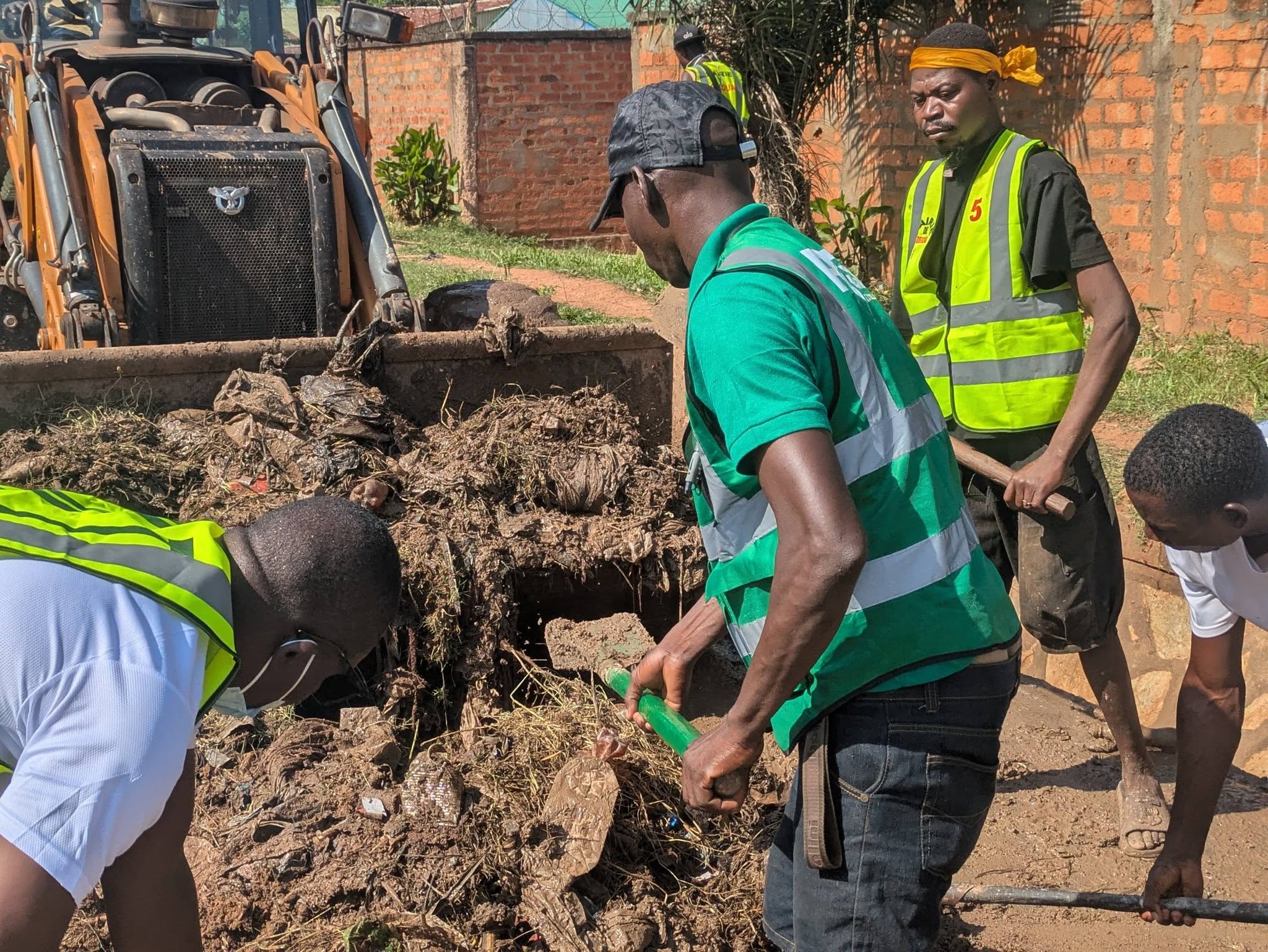
The "Kwa ti Kodro" initiative was established by the President of the Republic, Faustin-Archange Touadéra, with a clear and ambitious vision for the capital. Its primary objective is to mobilize populations across Bangui around key community efforts, fostering a sense of collective responsibility and active participation. These efforts specifically focus on improving city sanitation, which is a critical aspect of urban living and public health. Beyond practical cleanliness, the initiative also aims to foster solidarity among residents, encouraging mutual support and a stronger community spirit. It seeks to promote broader community development within the capital, encompassing various aspects that contribute to a better quality of life for its inhabitants. The initiative's design aimed to engage citizens directly in improving their immediate environment and strengthening social cohesion, envisioning a bottom-up approach to urban development.
Challenges in Implementation
The "Kwa ti Kodro" initiative, designed to mobilize citizens in Bangui for sanitation, solidarity, and community development, has encountered significant obstacles in its implementation. A primary factor contributing to these difficulties is a reported relaxation by authorities in the initiative's follow-up mechanisms. This diminished oversight has allowed several challenges to emerge, impacting the project's intended outcomes and diminishing its overall effectiveness. Without consistent governmental monitoring and support, the initial momentum of "Kwa ti Kodro" has reportedly waned, leading to a noticeable decline in its visible impact across the city. The initiative's effectiveness relies heavily on sustained engagement and accountability from both the authorities and the participating communities, which observers suggest has been inconsistently applied. This situation has led to questions regarding the long-term viability and impact of the program on the capital's development goals, particularly concerning its ability to deliver on its promise of community-driven change. The lack of rigorous follow-up has created an environment where the initiative struggles to maintain its foundational principles and achieve its stated objectives for community improvement in Bangui, casting a shadow over its future.
Community Engagement Decline
The dynamic of the "Kwa ti Kodro" initiative in Bangui appears fragile today, observers note. This assessment suggests a significant decline in the engagement and momentum initially observed within the program, which was once a source of civic pride and participation. The initiative, established by President Faustin-Archange Touadéra to mobilize populations for city sanitation, solidarity, and community development, is reportedly struggling to maintain its initial vigor and broad-based support. This fragility impacts the project's capacity to effectively involve citizens in local improvement efforts, as the enthusiasm required for sustained voluntary participation seems to be diminishing. The reported relaxation of oversight by authorities is widely believed to have contributed significantly to this weakening dynamic, undermining the consistent participation and enthusiasm among the populace. This situation has made it challenging for the initiative to achieve its ambitious goals of transforming Bangui through collective citizen action. The current state of the initiative raises concerns about its long-term viability and its ability to achieve its objectives for community involvement and urban development in the capital, noting the critical need for renewed commitment and strong oversight.