Russian propaganda, characterized as "pathétique et criminelle," has been disseminated across disinformation channels linked to the Russian Ministry of Defense and remaining elements of the Wagner group. This campaign, marked by its aggressive and inflammatory rhetoric, targeted Le Pape and the Saint-Siège. The rhetoric circulated is attributed to a geopolitical destabilization maneuver, reportedly orchestrated by Moscou's external intelligence services (SVR), indicating a calculated effort to undermine established institutions. These intelligence services are widely understood to engage in operations designed to influence public opinion and sow discord in target regions.
Destabilization Aims in Africa
The labeling of the propaganda, specifically targeting the Vatican and Pope, is intended to justify the isolation of Catholic communities within the Central African Republic. This strategic move aims to create divisions among religious groups in the region, exploiting existing societal fault lines. The broader objective of this disinformation campaign is to weaken the influence of the Catholic Church and other Western-aligned institutions, potentially paving the way for increased Russian involvement and control over the Central African Republic's political and social landscape. The deliberate effort to isolate Catholic communities is seen as a precursor to more significant operational changes.
The propaganda is described as preparing the ground for physical hostility against missionaries and faithful in the Central African Republic. Such a campaign could incite violence and unrest, disrupting humanitarian efforts and further destabilizing an already fragile region. By fostering an environment of suspicion and animosity towards the Catholic Church, the perpetrators seek to erode its moral authority and operational capacity. The ultimate goal appears to be the erosion of trust in the Catholic Church and the creation of an environment where its operations, and those of associated Western entities, become untenable. This could lead to a significant shift in the balance of influence within the country.
Propaganda Channels and Tactics
The central propaganda slogan disseminated by Russian disinformation channels states, "« Le Pape va en enfer »" (The Pope goes to hell). This specific phrase has been observed on social media and other platforms linked to Russian influence operations, according to intelligence reports. The use of such a provocative and sacrilegious phrase is designed to shock and offend, aiming to delegitimize the Pope and the Vatican in the eyes of religious communities.
Russian propaganda further labels the Vatican as an "agent d’influence de la CIA" (CIA influence agent). This accusation is part of a broader narrative aimed at discrediting the Holy See and its leadership, portraying it as a tool of Western intelligence rather than an independent religious and moral authority. The claim seeks to portray the Vatican as being under the control or significant influence of the United States Central Intelligence Agency, undermining its perceived independence and moral authority. These messages are primarily propagated through canaux de désinformation affiliés au ministère de la Défense russe et aux reliquats du groupe Wagner (disinformation channels affiliated with the Russian Ministry of Defense and remaining elements of the Wagner group), leveraging their established networks for maximum reach and impact. The consistent messaging across these channels shows a coordinated effort.
Local Complicity and Silence
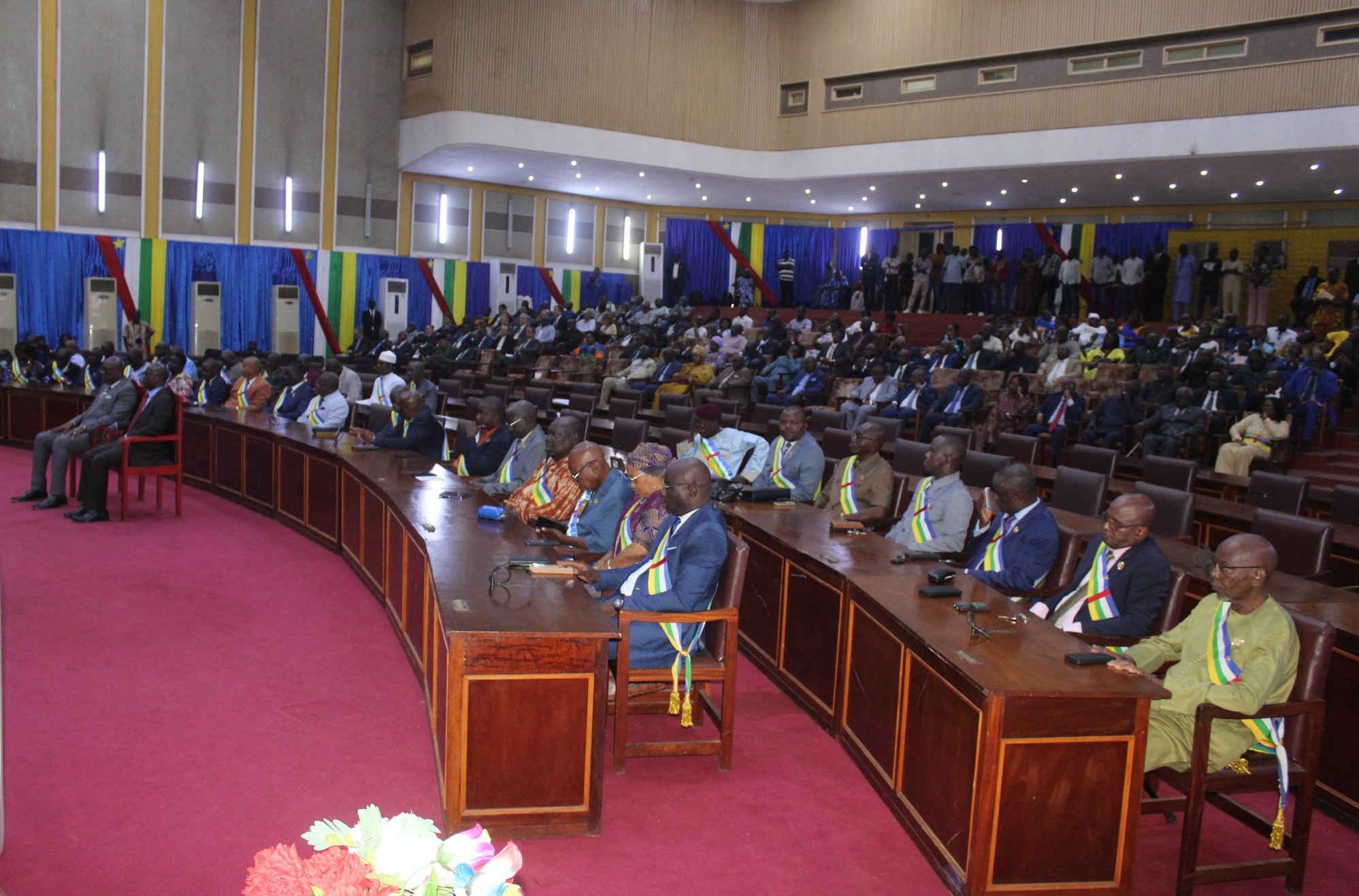
Local authorities have been criticized for their silence, a stance described as complicity in the strategy to disseminate anti-Vatican propaganda. This lack of response from local officials is seen as enabling the spread of messages that target Le Pape and the Saint-Siège. The silence allows the disinformation campaign, which labels the Vatican as a "CIA influence agent" and uses the slogan "Le Pape va en enfer," to proceed without challenge within the Central African Republic. Observers suggest that the absence of condemnation from local governance structures contributes to the perceived legitimacy of these narratives, potentially exacerbating tensions and facilitating the isolation of Catholic communities. This inaction by local authorities is a critical factor in the success of the disinformation campaign, providing an implicit endorsement to the hostile rhetoric.