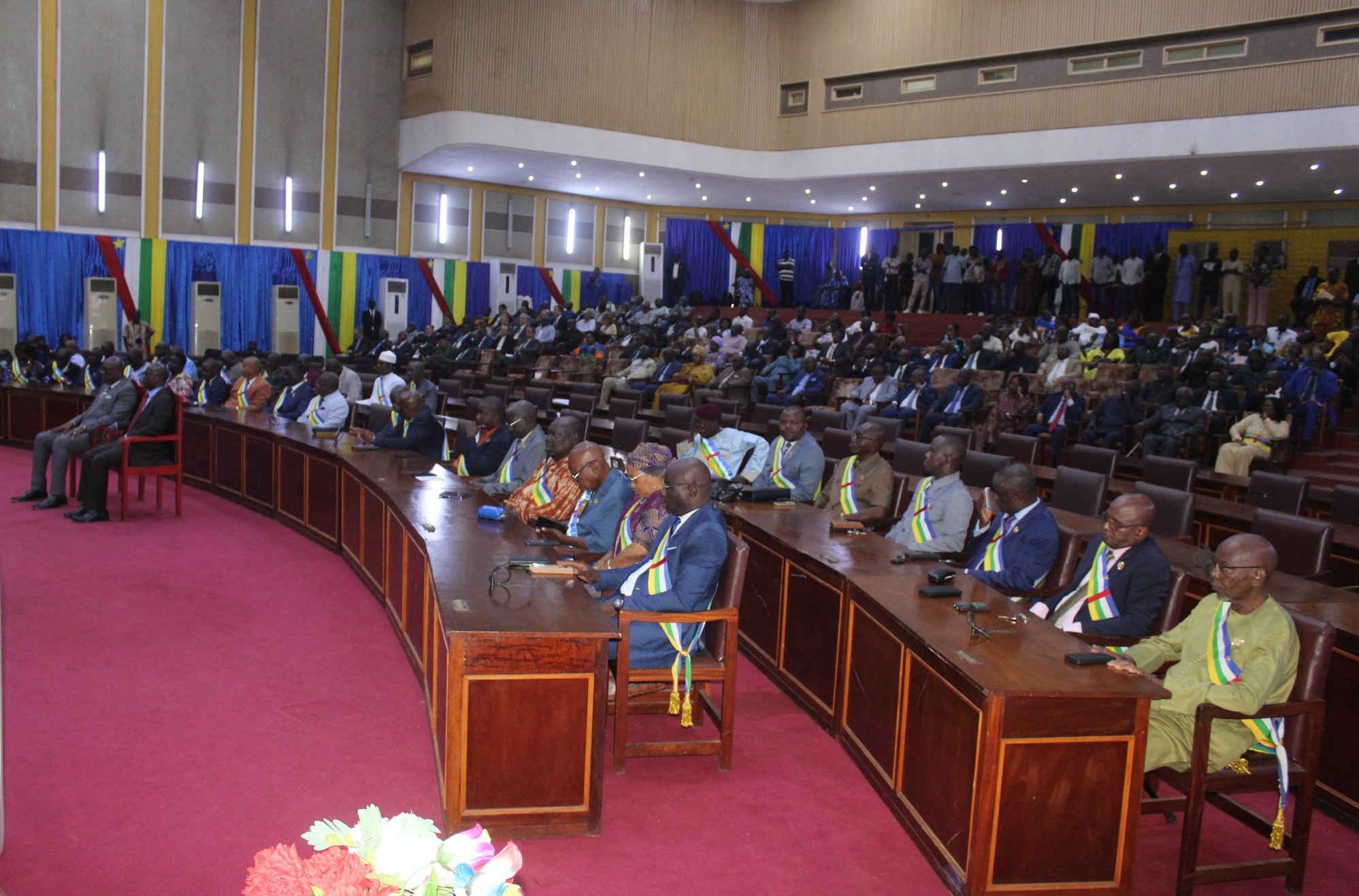
The Constitutional Council, through Decisions n° 07/CC and n° 08/CC issued on April 24 and 26, 2026, officially validated the results of the first round of local elections in the Central African Republic. These key decisions, rendered by the Constitutional Council on those specific dates, confirmed the initial outcomes of the polls. The Mouvement Cœurs Unis (MCU) has emerged as the dominant political force in these elections, effectively shaping the political map of the Central African territorial collectivities. Its full victory across various regions and municipalities shows a significant shift in the country's political landscape. In regional constituencies and communes, the Mouvement Cœurs Unis achieved a level of dominance that, according to reports, neutralizes any idea of competition. Its performance across the country solidified its position, with the validated results confirming a landscape largely colored by the ruling party. This widespread success has cemented the MCU's influence at the local governance level.
Constitutional Council Validation
The Constitutional Council's role in the electoral process was extensive and critical. Following the first round of local elections, the Council examined a substantial number of petitions, with one hundred and sixteen requests being thoroughly reviewed. In addition to these, dozens of challenges were processed, noting the level of scrutiny applied to the electoral results. Among these submissions, thirty-one requests specifically concerned regional elections. Despite the various arguments presented within these challenges, the Constitutional Council determined that they did not alter the overall trend of the results, maintaining the initial electoral outcomes for regional councils. Similarly, eighty-five requests submitted in relation to municipal elections also failed to change the established trend of the electoral outcomes, thus upholding the results at the communal level.
The judicial body’s deliberations were not without serious allegations. Cases of vote buying and physical intimidation were presented before the Council during its proceedings, raising concerns about the integrity of the electoral process. The Council pronounced occasional invalidations when these allegations were substantiated with sufficient evidence, demonstrating its commitment to addressing proven irregularities. However, these decisions, while significant for the specific cases involved, did not question the general architecture of the validated results, meaning they did not fundamentally change the overall distribution of seats or the dominant position of the Mouvement Cœurs Unis. The Council's validation process, therefore, affirmed the broad results despite isolated incidents of misconduct.
Dominance and Opposition Boycott
The electoral outcomes reveal a striking political alignment: regional councilors and municipal council members are, in their vast majority, affiliated with the presidential party or independent lists that align with it. This pattern of affiliation shows the depth of the Mouvement Cœurs Unis's influence. The Mouvement Cœurs Unis (MCU) either ran unopposed in many constituencies or competed against independent candidates whose neutrality was not clearly established, raising questions about the genuine competitiveness of the elections. This landscape was largely shaped by the decision of the opposition bloc, gathered within the BRDC, which chose not to participate in the elections. The BRDC had denounced the electoral process in advance, labeling it a sham and citing concerns about its fairness and transparency.
The broad non-participation by the main opposition forces significantly contributed to the Mouvement Cœurs Unis's substantial electoral performance. Only a limited number of candidates, specifically two or three, who claimed to represent a residual opposition, ultimately filed lists for the elections. This minimal opposition presence meant that the ruling party faced little organized resistance, further facilitating its overwhelming victory. The outcome solidified the MCU's position, with the validated results confirming a political environment heavily influenced by the ruling party and its allied independent factions across Central African territorial collectivities. This situation has led to an almost uncontested political dominance at the local level.
Campaign Irregularities and Costs
The electoral campaign period was marked by several allegations of irregularities that drew scrutiny. Candidates from the Mouvement Cœurs Unis reportedly utilized public materials and personnel for their election campaigns, a practice that, if confirmed, would raise serious questions regarding the fairness and equity of the electoral process. This alleged use of state resources for party campaigning could provide an unfair advantage over other contenders. Additionally, reports indicated the presence of administration agents within polling stations, purportedly to guide voters during the election. Such a presence could be perceived as a form of undue influence or intimidation, potentially compromising the secrecy and freedom of the vote. The financial implications of the electoral exercise were significant, with the overall cost of the election measured in billions of CFA francs, noting the substantial investment required to conduct these local polls.
Next Steps and Broader Context
With the first-round results barely proclaimed, the organization of a second round is already underway in the Central African Republic. This next phase will follow the initial validation of results by the Constitutional Council, indicating a continuation of the electoral process despite the established dominance of the MCU in the first round. The upcoming second round will further define the local governance structures across the nation.