Armed violence in the village of Am-Dafock, located in the Vakaga prefecture of Centrafrique, resulted in the deaths of more than 30 people. The casualties included numerous civilians in the remote northeastern region, drawing sharp criticism from political leaders. The MLPC leader, Martin Ziguélé, later criticized security failures in Bangui following the incident, raising concerns about the government's capacity to protect its citizens across the vast country. This tragic event shows the persistent security challenges facing Centrafrique, particularly in its more isolated areas.
MLPC Leader's Accusation
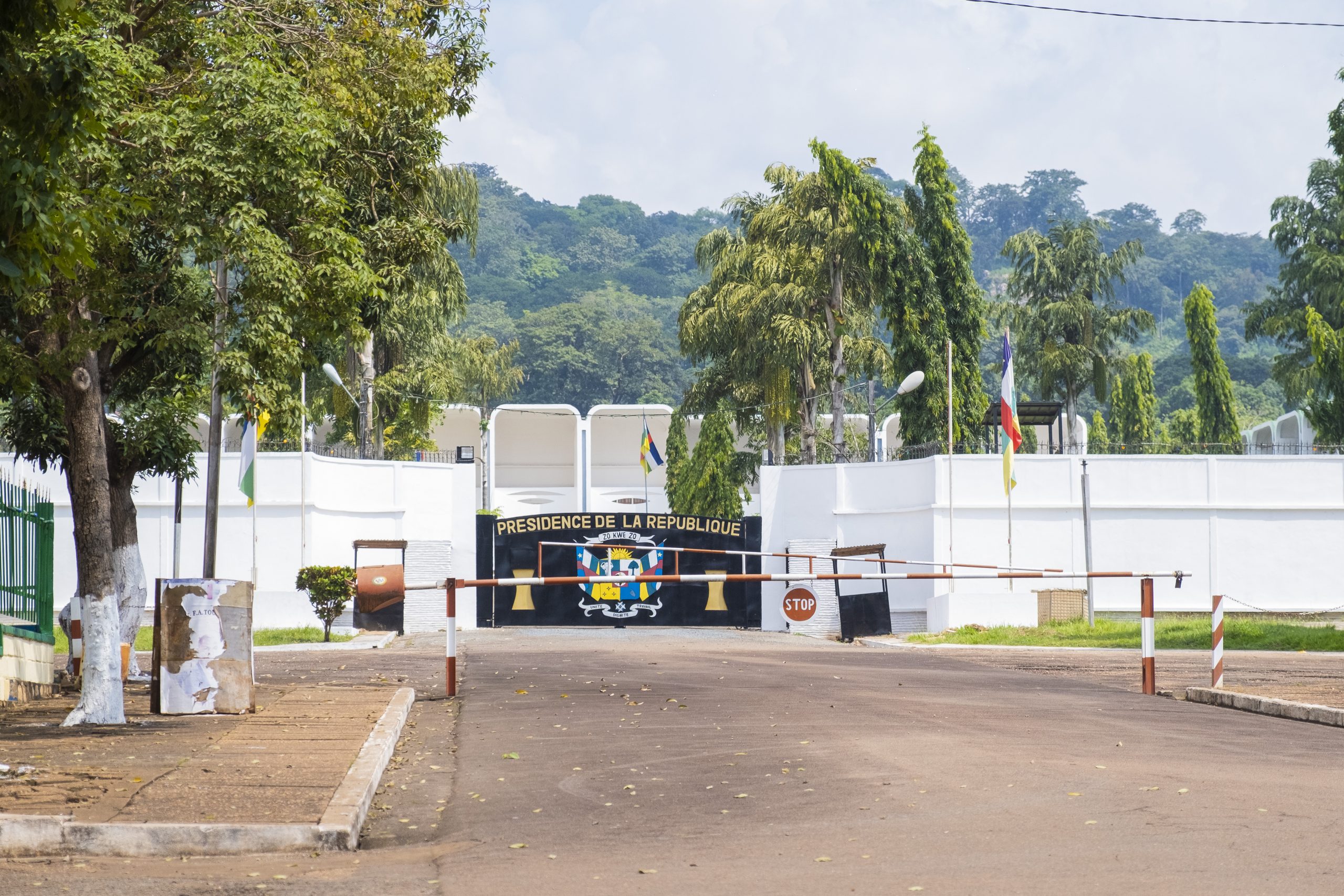
Martin Ziguélé, who serves as the president of the Mouvement de libération du peuple centrafricain (MLPC), directly criticized the security failures in Bangui. His remarks followed reports of armed violence in Am-Dafock, a village situated in the Vakaga prefecture of Centrafrique. This incident resulted in the deaths of over 30 individuals, including numerous civilians in the remote northeastern part of the country. Ziguélé's accusation links the capital's security shortcomings to the violence in distant regions, suggesting a broader systemic issue. The MLPC leader noted the government's inability to protect its citizens, particularly in vulnerable areas like Am-Dafock, which has long faced insecurity challenges. He emphasized that the central government's responsibility extends to all corners of the nation, and the recent attack points to a critical lapse in fulfilling this fundamental duty. The MLPC's stance reflects a growing concern among political figures regarding the state of security outside the immediate vicinity of the capital.
Details of the Am-Dafock Violence
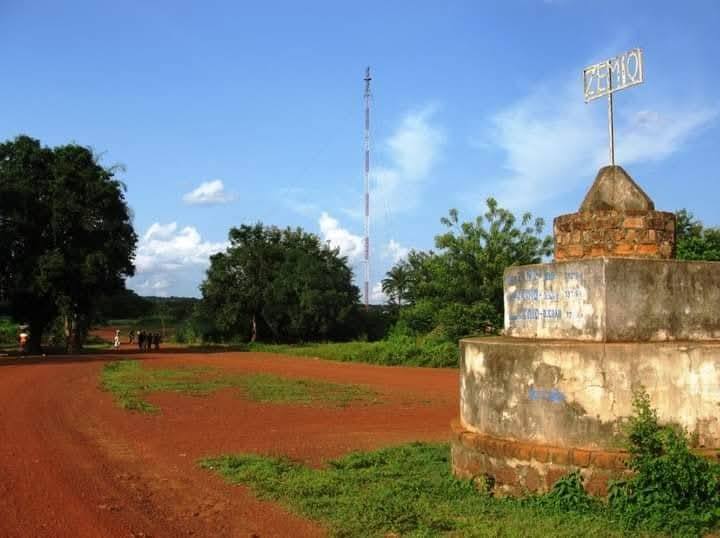
The village of Am-Dafock, situated in the Vakaga prefecture of Centrafrique, experienced significant violence. The remote northeastern location has been a point of concern for regional stability, often bearing the brunt of various forms of armed conflict. The incident in Am-Dafock resulted in the deaths of more than 30 people, including numerous civilians. This violence shows the persistent security challenges facing the Vakaga prefecture, a region known for its remote and often volatile environment. The ongoing insecurity in such areas raises questions about the reach and effectiveness of central government authority in protecting its citizens across the country. The geographical isolation of Am-Dafock within Vakaga further complicates efforts to maintain peace and order, making it difficult for security forces to respond effectively to threats. The specific details surrounding the initial outbreak of violence remain under investigation, but the tragic loss of life has sent shockwaves through the community. The area has historically been vulnerable to various armed groups, contributing to a complex security landscape for inhabitants who often feel abandoned by national institutions. The recent events have drawn renewed attention to the urgent need for enhanced security measures and humanitarian assistance in remote parts of Centrafrique, noting the severe human cost of unchecked violence. The vulnerability of civilians in Am-Dafock during this attack serves as a stark reminder of the urgent need for strong government intervention.
Broader Security Context
Armed violence in Am-Dafock notes a persistent challenge for Centrafrique: the government's capacity to extend security across its remote regions. The incident in Vakaga prefecture, which led to the deaths of over 30 people including civilians, shows the difficulties authorities face in protecting citizens far from the capital. Such events frequently bring into question the effectiveness of national security strategies in areas prone to instability, particularly when they involve significant civilian casualties. The remote nature of locations like Am-Dafock often complicates timely intervention by security forces and the provision of humanitarian aid, exacerbating the suffering of affected populations. This situation contributes to a broader perception of systemic security shortcomings, particularly in regions where governmental presence and control are limited, allowing armed groups to operate with relative impunity. The ongoing insecurity demands a full approach to stabilize these vulnerable areas and ensure the safety of their inhabitants, moving beyond reactive measures to proactive strategies that address the root causes of conflict and strengthen state presence. The criticism from MLPC leader Martin Ziguélé reflects a widely held view that the security apparatus in Bangui must do more to safeguard all Centrafrican citizens, regardless of their location.