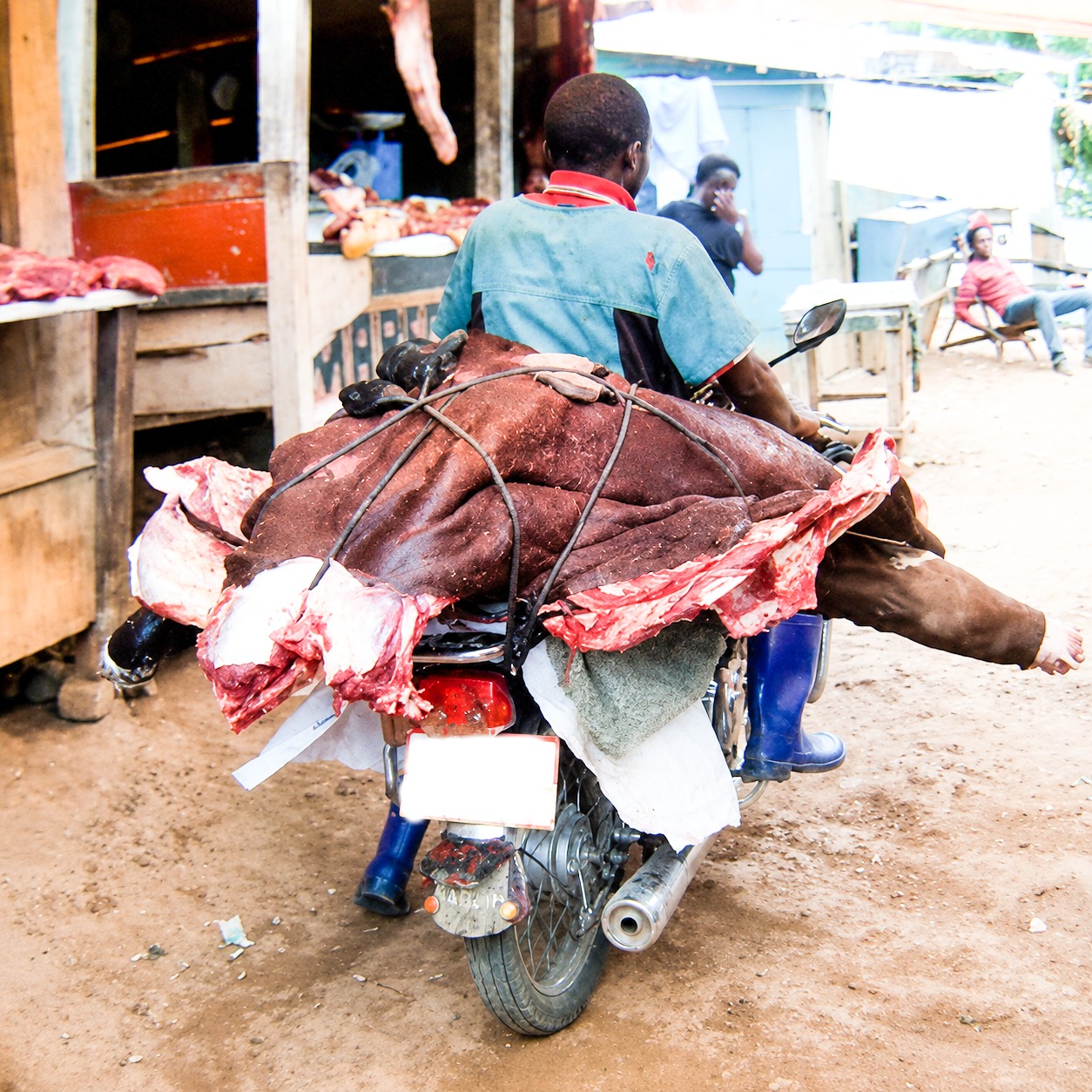
The Central African Republic government has announced a prohibition on the transportation of beef and carcasses in unsuitable vehicles, effective June 26. The measure, detailed in a statement published on June 26, aims to significantly enhance food safety standards across the country. This directive seeks to ensure that all meat products are transported under hygienic conditions, effectively preventing contamination and spoilage before they reach consumers. The government's official statement outlined the new regulations, emphatically emphasizing the critical need for appropriate vehicles to maintain public health and product integrity. This proactive step shows the authorities' commitment to safeguarding the well-being of its citizens through improved food handling practices.
New Transport Regulations Detailed
The newly implemented regulations stipulate that all vehicles utilized for transporting beef and carcasses must be fully enclosed. These specialized vehicles are additionally required to have functional air conditioning systems to maintain an appropriate and consistent temperature throughout the entire transit period. To ensure optimal hygienic conditions and facilitate ease of cleaning, the interior surfaces of these transport vehicles must be meticulously lined with stainless steel. The directive specifically and strictly prohibits the use of open-air vehicles, motorcycles, and bicycles for meat transport, unequivocally deeming these methods unsuitable for preserving product integrity and safety. These stringent requirements are designed to eliminate common sources of contamination and spoilage that can occur during transportation.
The government of Centrafrique has mandated that all personnel actively involved in the handling and transportation of meat products must possess valid health certificates. These essential certificates serve to confirm that individuals are free from communicable diseases that could potentially contaminate the meat supply. The Ministry of Livestock and Animal Health, working in close collaboration with the Ministry of Public Health, will jointly oversee the full implementation and rigorous enforcement of these new standards. Regular inspections will be conducted in the capital city of Bangui and extended to other regions across the country to ensure full compliance and steadfastly uphold public health objectives. This collaborative approach aims to create a strong system of oversight and accountability.
Hygiene and Safety Goals
According to authorities, this measure aims to strengthen hygiene and sanitary safety conditions throughout the entire distribution chain for beef. The new transportation regulations are specifically designed to bolster hygiene and sanitary safety conditions across the entire distribution chain for beef, from its origin to the final point of sale. Officials stated that the directive's primary objective is to safeguard public health by ensuring that meat products remain free from contamination at every stage, from their source to the consumer's table. The government emphasized that these measures represent a critical and foundational step toward significantly improving food safety standards nationwide. These concerted efforts are widely expected to reduce the incidence of foodborne illnesses commonly associated with improperly handled or transported meat. The regulations highlight a determined and concerted push by Centrafrique's government to implement more rigorous controls over food products, ensuring strict compliance with established health guidelines and international best practices.
Broader Public Health Context
The new measures introduced in Centrafrique reflect a broader, overarching commitment to public health and safety across various critical sectors. The government's decisive action to regulate meat transportation aligns strategically with ongoing efforts to mitigate risks associated with foodborne illnesses, which can have profound and significant public health implications for the population. Such initiatives are often an integral part of wider national strategies specifically aimed at improving living standards and substantially reducing the burden of preventable diseases. By enforcing stricter standards for food handling and distribution, authorities seek to proactively protect consumers from contaminated products that could lead to widespread health issues and economic costs. This dedicated focus on hygiene and safety within the food supply chain is a fundamental and indispensable aspect of effective public health governance, ensuring that essential goods meet established sanitary requirements. The implementation of these full regulations shows a proactive and responsible approach to safeguarding the well-being of the population in Centrafrique, fostering a healthier and safer environment for all citizens.