A trial concerning grave violations of human rights committed in Bossembele between 2009 and 2013 is currently underway at the Cour pénale spéciale (CPS) in Bangui. The proceedings address serious abuses, including torture, arbitrary detention, and extrajudicial killings, that occurred in the Central African town during that four-year period. The Cour pénale spéciale (CPS) in Bangui is the designated venue for these significant legal proceedings, established to prosecute serious crimes under international law committed in the Central African Republic. The court's operations are key for addressing impunity and delivering justice for victims of these grave violations.
Echoes of Past Abuses
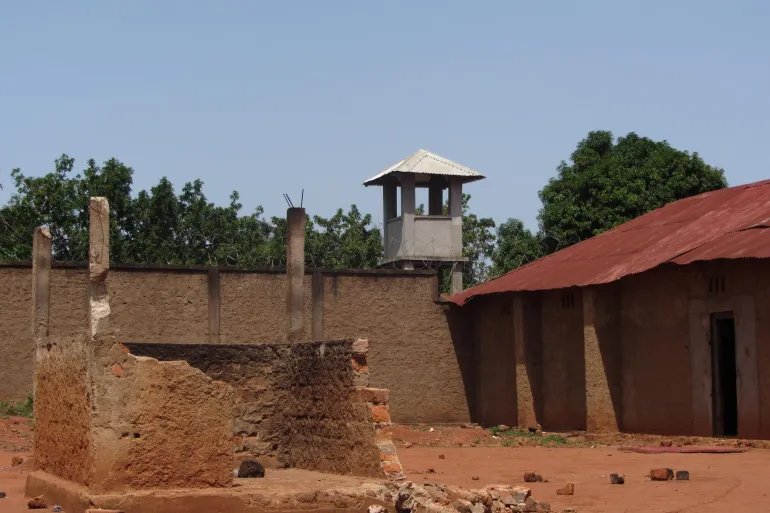
The prison in Bossembele was known locally as 'Guantanamo' during the period of abuses from 2009 to 2013. The nickname reflects the perception among residents of the facility's harsh conditions and the nature of detentions that occurred there. The reference to the United States' detention facility at Guantanamo Bay, Cuba, indicates the gravity with which the prison operations were viewed by the local population. This characterization provides insight into the fears and experiences of those living in Bossembele during the period under investigation by the Cour pénale spéciale (CPS) in Bangui. The use of such an informal but widely understood identifier suggests a significant impact on community life and security, pointing to a widespread understanding of the facility's notorious reputation among the local populace. This local designation shows the severe human rights concerns associated with the site.
Trial's Reach Limited
The ongoing trial at the Cour pénale spéciale (CPS) in Bangui primarily targets former head of state François Bozizé and his three co-accused. The proceedings focus on alleged abuses that occurred in Bossembele between 2009 and 2013, a period when Bozizé was in power. His co-accused include Jean Eudes Bagali and Igor Senapaye, who are also facing charges related to the human rights violations documented in the region. The scope of the current legal action is centered on these specific individuals and the events linked to their alleged involvement during the stated timeframe. This focus delineates the immediate reach of the court's investigation and prosecution efforts, noting the pursuit of accountability for high-level officials and their alleged accomplices. The prosecution of a former head of state by a hybrid court like the CPS marks a significant step towards addressing impunity in the Central African Republic.
Local Voices Unheard
Inhabitants of Bossembele report they are unable to follow the ongoing hearings of the Cour pénale spéciale (CPS) despite their desire to do so, due to an absence of radio transmission from Bangui. This lack of access prevents residents from monitoring the judicial proceedings concerning abuses that occurred in their town, effectively silencing their participation in a process directly impacting their community. The inability to hear the proceedings raises concerns about transparency and the perceived fairness of justice for those most affected. Meanwhile, Jean Eudes Bagali and Igor Senapaye, who are co-accused in the trial, visited the inhabitants of Bossembele at an unspecified time. This visit by the co-accused, while the trial is ongoing, adds another layer of complexity to the community's experience of the judicial process.
Broader Context and Memory
The inhabitants of Bogbazou, the location of the prison known as 'Guantanamo', retain a painful memory of the site. This collective memory from Bogbazou residents shows the significance of the trial for those directly affected by the facility's operations. The prison in Bossembele, active between 2009 and 2013, was at the center of alleged human rights abuses currently under investigation by the Cour pénale spéciale (CPS) in Bangui. The strong local recollection notes the lasting impact of the events on the community, where the trauma of the past remains palpable. The ongoing proceedings aim to address the violations that left such an enduring impression on the area's population, seeking to provide a measure of justice and recognition for their suffering. The community's enduring pain emphasizes the critical need for effective judicial outcomes.