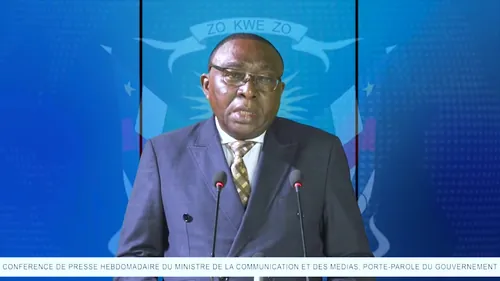
Maxime Balalou held a press conference on February 16th, an event which has been met with significant accusations of corruption. The allegations, detailed in an article by Corbeau News Centrafrique, follow Balalou's recent public morality lectures, where he has been a vocal proponent of ethical conduct. These accusations cast a shadow over his public pronouncements and raise questions about the integrity of the administration.
Regime's Alleged Corruption
The article published by Corbeau News Centrafrique presents a damning indictment, accusing the current regime of widespread misconduct and systemic corruption. It details serious allegations of nepotism, favoritism, corruption, and the embezzlement of public funds within the administration. Journalist Gisèle Moloma's full report specifically notes these widespread practices as significant factors contributing to a growing public distrust in governmental institutions. The report suggests that such actions erode the foundation of good governance and undermine public confidence.
Beyond the broader governmental claims, the report also levels specific and serious accusations directly against Maxime Balalou. The article alleges that Mr. Balalou was previously involved in incidents of stealing electrical poles, an act that speaks to a disregard for public infrastructure, and engaging in the production of counterfeit money, which has significant implications for economic stability and trust. These past allegations are presented in the context of the larger corruption claims against the regime, painting a picture of a pattern of questionable conduct that predates his current public role.
Hypocrisy in Public Discourse
Maxime Balalou, during his public statements and recent morality lectures, has consistently emphasized the critical importance of a change in mentality and the urgent need to combat corruption across society. Corbeau News Centrafrique reported extensively on these remarks, noting Balalou's strong call for improved ethical standards and a renewed commitment to integrity within the public sphere. The article, authored by Gisèle Moloma, subsequently juxtaposed these public pronouncements with other aspects of Balalou's perceived perspective and actions.
Specifically, the report stated that, from Balalou's viewpoint, patriotism is not necessarily measured by active engagement or critical discourse, but rather by silence and applause, according to the publication. This characterization suggests a profound discrepancy between his public calls for societal change and his perceived expectations of public conduct, implying a desire for uncritical support rather than genuine accountability. This perceived inconsistency has fueled the accusations of hypocrisy, as critics point to a chasm between his preached values and his alleged personal history and expectations of public behavior.
Official Activities and Criticism
Corbeau News Centrafrique characterized Maxime Balalou in stark terms, describing him as a "clepto-mythomane," translating directly to a kleptomaniac-liar, in its recent article. This highly critical description is presented within the context of Balalou's active engagement in official duties and his public profile. The publication's characterization suggests a fundamental dishonesty and a propensity for theft, directly contradicting the image he attempts to project through his morality lectures.
Despite these significant accusations, Balalou continues to perform his official functions. He recently celebrated the launch of key training programs for state officials, initiatives that were established and are being implemented in collaboration with South Korean partners. These programs are designed to enhance the capabilities and professionalism of government employees. The article notes this active involvement in official duties as part of the broader narrative, where Balalou's public role and efforts to promote good governance are contrasted sharply with the serious allegations of corruption and misconduct leveled against him and the wider regime he represents.