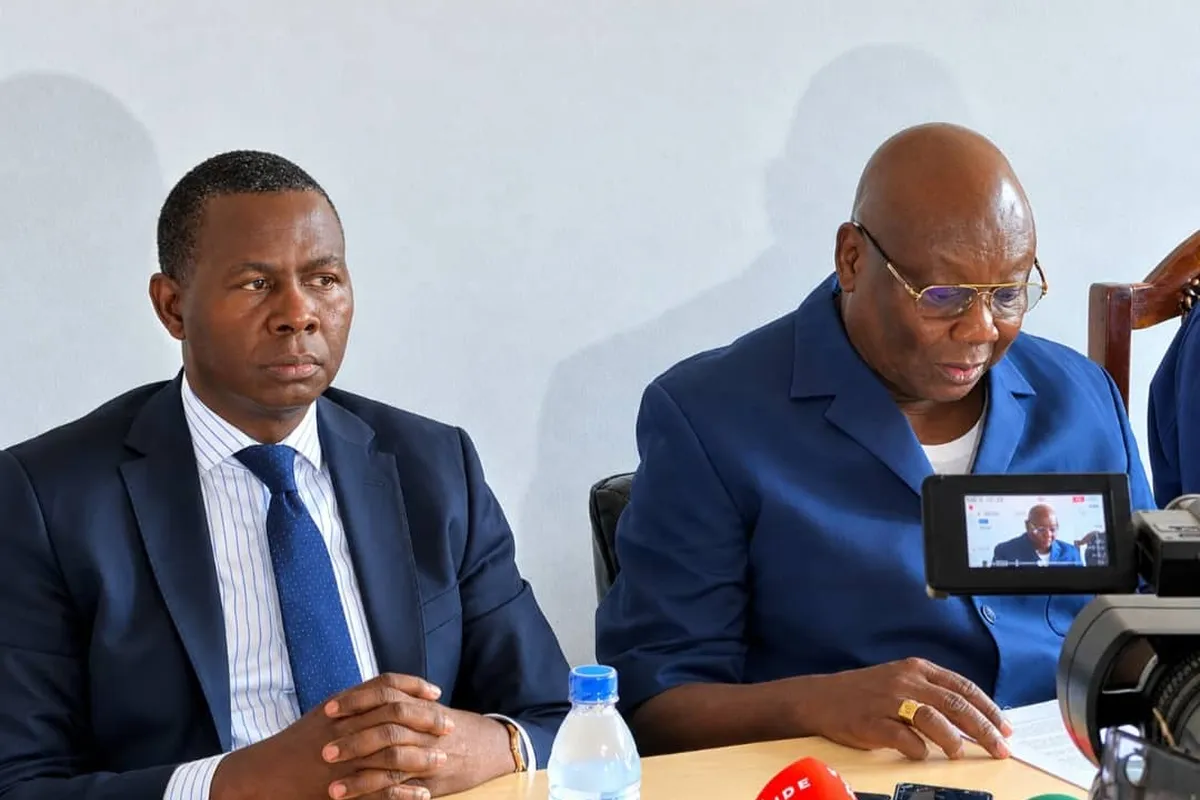
Suzanne Saté, the deputy for the first constituency of Bambari, formally alleged that military forces are engaging in extortion within the Ouaka Prefecture. She raised these concerns during a session at the National Assembly, where she questioned government officials regarding the conduct of security personnel operating in the region. As a representative of her constituents, Suzanne Saté sought clarification on the operational standards currently enforced by state security forces in the area.
Details of Alleged Extortion
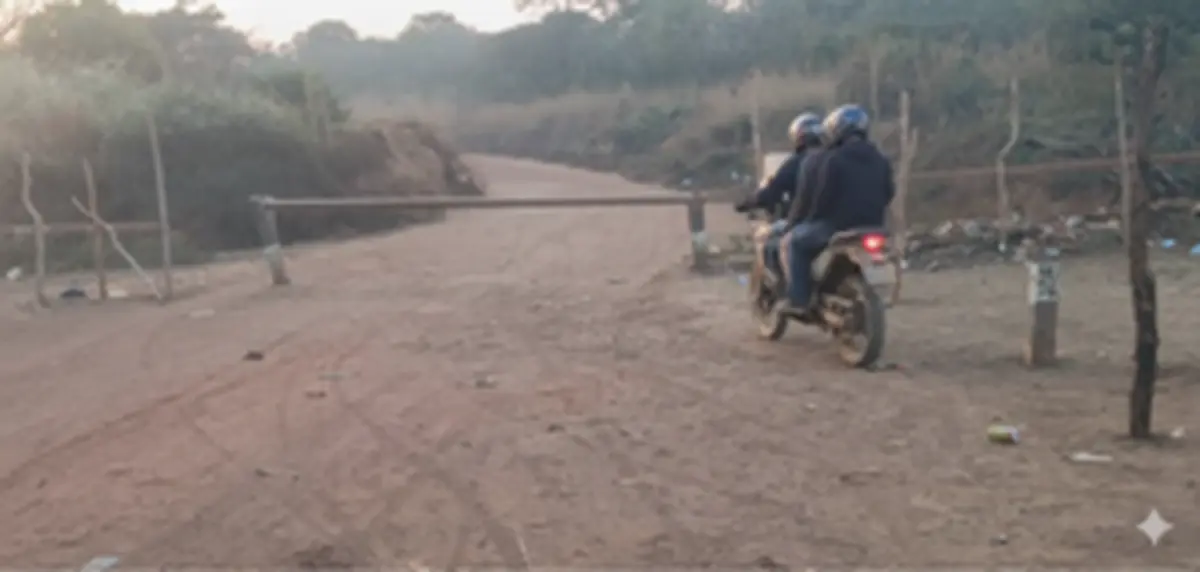
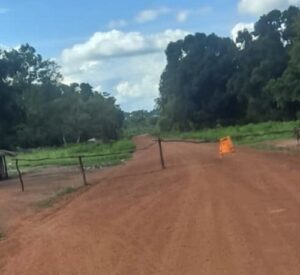
Military personnel stationed at checkpoints across the Ouaka Prefecture are reportedly demanding payments from residents traveling through the region. According to documentation presented by Suzanne Saté, these soldiers require 500 to 1,000 francs CFA for the passage of a single sack of manioc. Individuals traveling on foot or by vehicle are subjected to the same financial demand per passenger. The imposition of these fees has created a significant burden for local residents who rely on the transport of agricultural goods to sustain their livelihoods.
These collections are not being deposited into the public treasury, according to the claims brought forward by Suzanne Saté. Instead, the funds remain with the military personnel operating the checkpoints. No official government accounting has been provided to track these transactions or to authorize the collection of such fees from the local population.
The allegations presented by Suzanne Saté highlight a growing tension between local civilians and the security forces tasked with maintaining order in the Ouaka Prefecture. By bringing these specific grievances to the floor of the National Assembly, Suzanne Saté has compelled government officials to address the administrative and ethical implications of these checkpoint activities. The lack of transparency regarding the destination of the collected 500 to 1,000 francs CFA is a central point of contention in her report.
During the session, Suzanne Saté emphasized that the current situation at the checkpoints is hindering the freedom of movement for the people of her constituency. The requirement for travelers to pay for passage—whether they are transporting a sack of manioc or simply traveling as a passenger—is described as a systematic practice that lacks any legal or regulatory basis. Because these payments are not recorded in the public treasury, the financial activity remains entirely outside of state oversight.
The government officials present at the National Assembly were tasked by Suzanne Saté with investigating the conduct of the military personnel stationed at these strategic locations. The deputy for the first constituency of Bambari has requested a formal review of the protocols governing the Ouaka Prefecture checkpoints to ensure that no further unauthorized fees are extracted from the local population. As the matter remains under scrutiny, the residents of the Ouaka Prefecture continue to navigate a landscape where their daily transit is subject to these undocumented financial demands. Suzanne Saté continues to advocate for a resolution that would restore standard, fee-free transit for all citizens traveling through the region, ensuring that the military presence adheres to official state conduct rather than private collection practices.