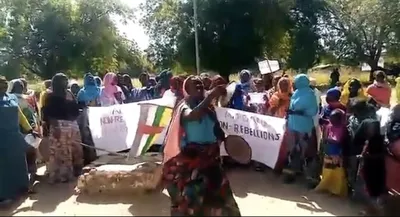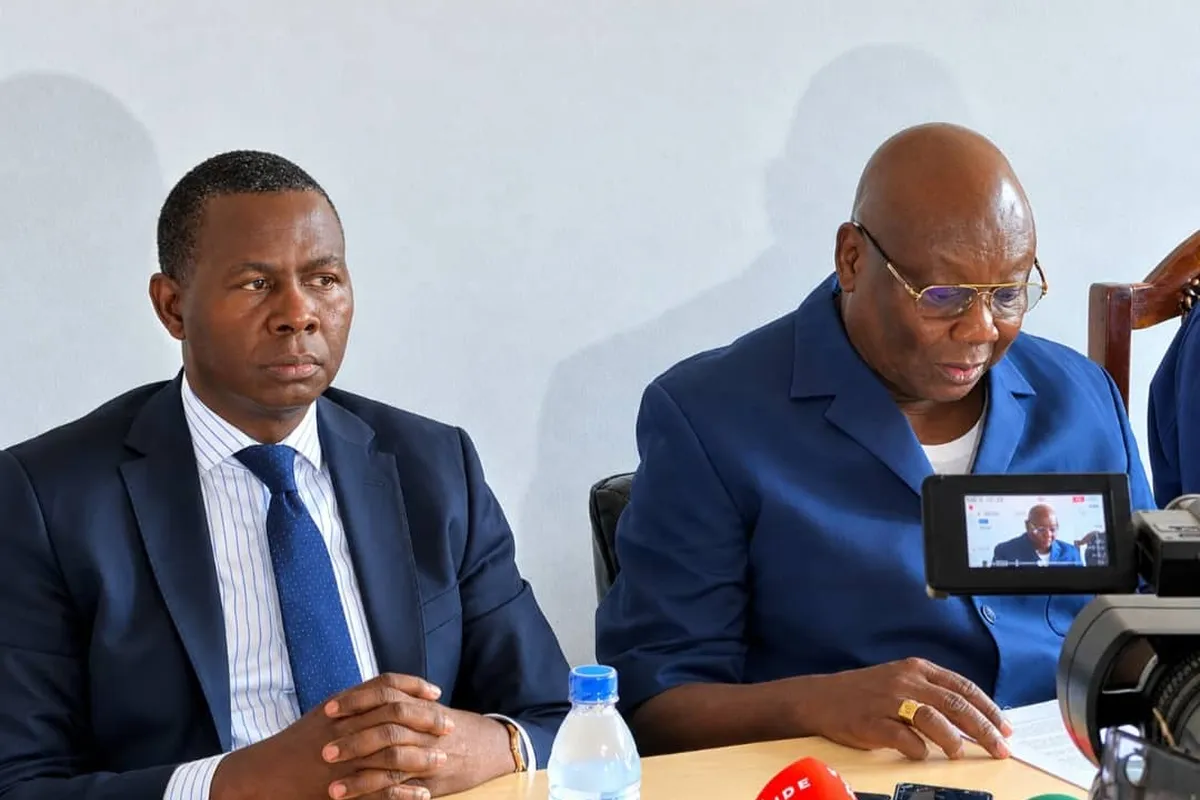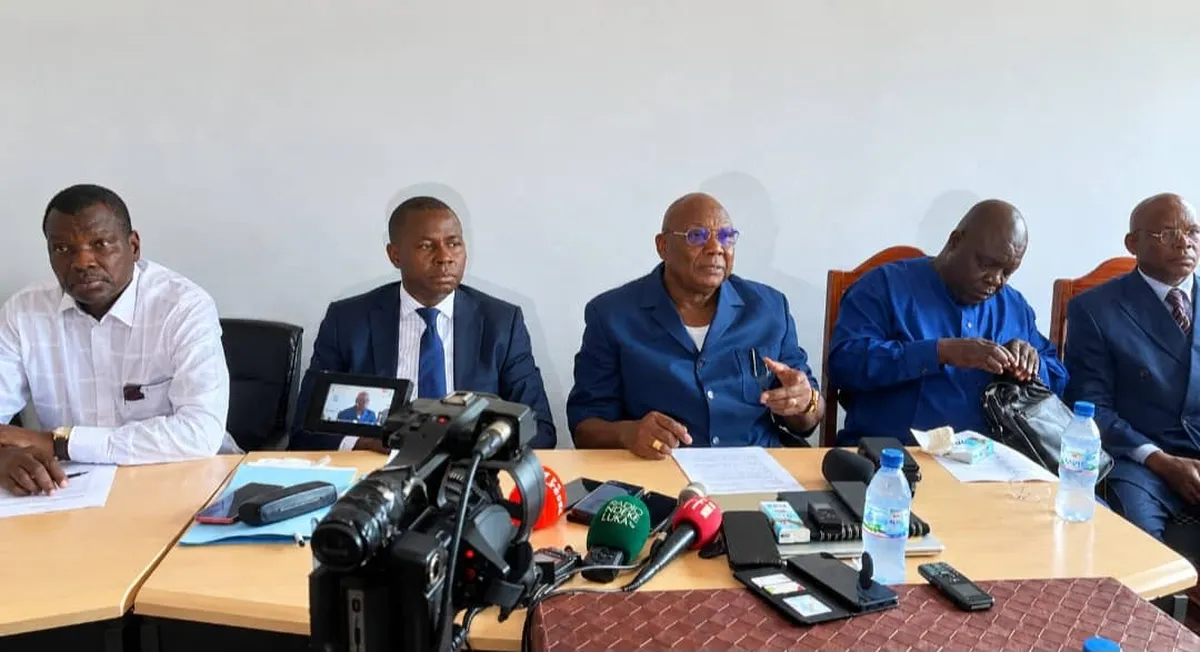
A consortium of civil society leaders called for a 'ville morte' strike in Bangui on Monday, 12 October 2026. This action aimed to halt economic activity across the capital. The government of Bangui responded to the strike by accusing the organizers of attempting to destabilize the regime. Authorities in the Central African Republic described the movement as a threat to national order. Security forces maintained a presence throughout the city during the protest period. Organizers maintained that the strike served as a peaceful demonstration of public grievances. Officials in Bangui characterized the event as a direct challenge to the state. The situation remained tense as the strike concluded.
National Context and Geography
The Central African Republic spans 623,000 square kilometers and holds a population of approximately 5 million people. Its geography encompasses a wide range of terrain across the heart of the continent. The landlocked nature of the Central African Republic presents specific challenges for economic activity and the movement of goods, which often rely on the infrastructure centered within the capital of Bangui. The total land mass of 623,000 square kilometers contains diverse regions, yet the population of approximately 5 million people remains concentrated in urban centers where civil society organizations frequently coordinate their activities.
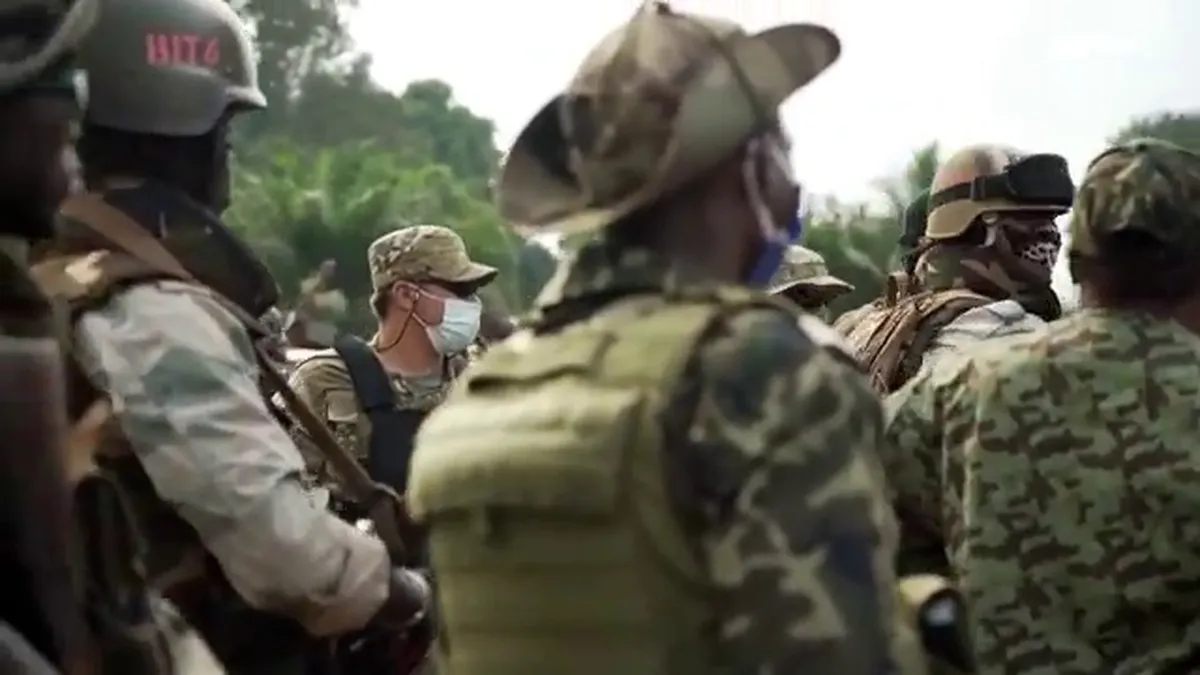
Mercenaries from the Wagner group arrived in the Central African Republic at the end of 2017. Their deployment followed agreements between the private military entity and the state. The presence of these mercenaries from the Wagner group has been a consistent factor in the security landscape of the Central African Republic since the end of 2017. The arrival of these personnel marked a significant shift in the operational capacity of the state to manage internal security concerns. By establishing a presence at the end of 2017, the Wagner group integrated into the security architecture of the Central African Republic, influencing how the government manages public demonstrations and potential civil unrest in areas like Bangui.
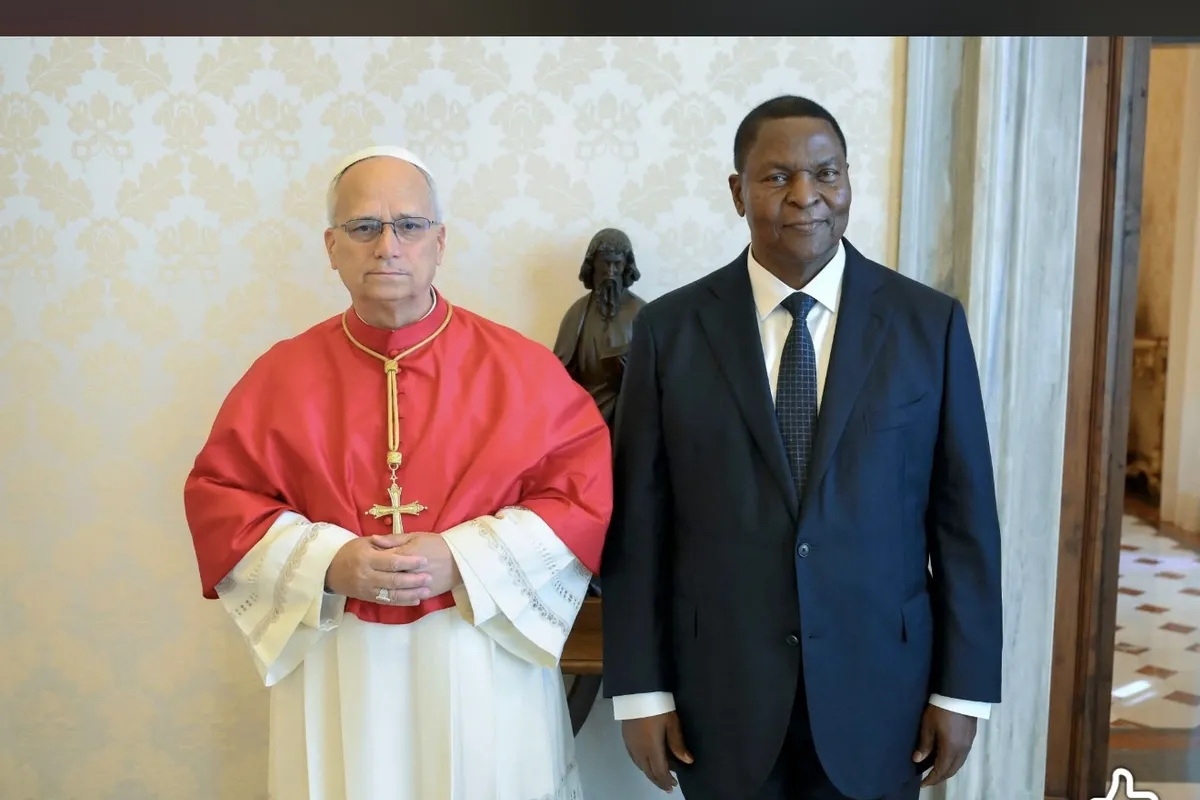
Political shifts occurred within the government in October 2018 when the President of the National Assembly was removed from his position. This action changed the leadership structure of the legislative body. The removal of the President of the National Assembly in October 2018 altered the internal dynamics of the government. By changing the leadership structure of the legislative body in October 2018, the state signaled a transition in its political management. This event remains a point of reference for how the government of the Central African Republic handles its internal hierarchy and administrative authority. The removal of the President of the National Assembly in October 2018 serves as a notable example of the executive and legislative tensions that have characterized the political environment in the Central African Republic.