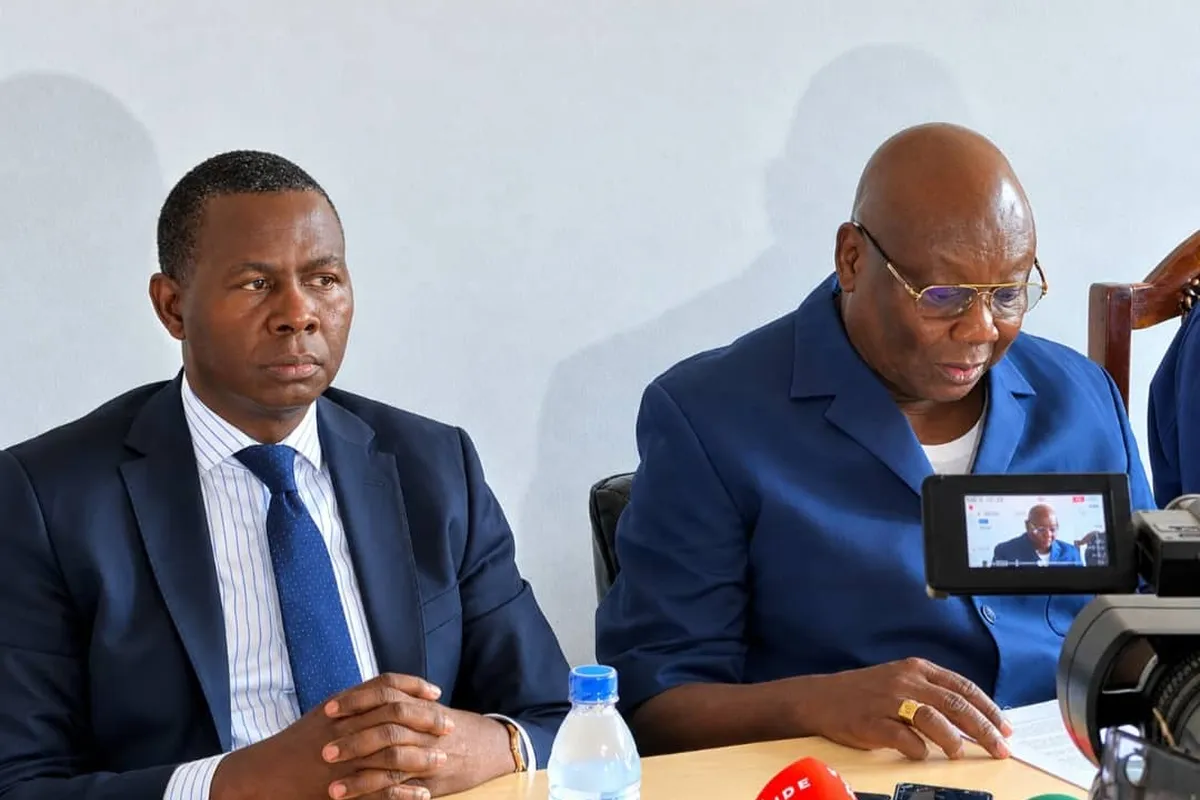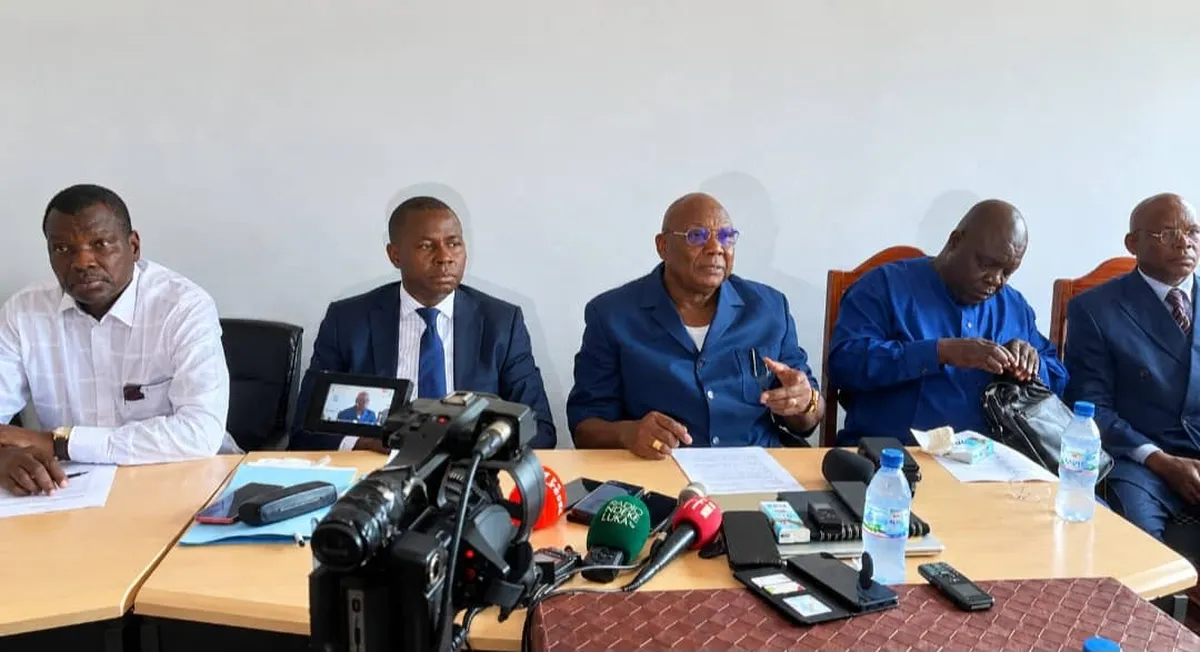
The BRDC opposition coalition convened a press conference on 16 April 2026 to address the ongoing governance crisis in the Central African Republic. Participants gathered at the PATRIE party headquarters located in Bangui to formalize their demands for national dialogue. Master Crépin Mboli-Goumba, who serves as the Coordinator of the BRDC, presided over the meeting to outline the coalition's position regarding the current political environment. The event marks a formal push by opposition leadership to engage authorities on the state of governance within the country.
Critique of Presidential Governance
Opposition leaders challenged the legitimacy of the current administration by referencing the capacity of the venue used for the presidential inauguration. According to the BRDC, this event occurred at a stadium with a 20,000-seat capacity. Members of the coalition argue that the scale of the ceremony remains inconsistent with the broader political climate in the Central African Republic.
President Faustin-Archange Touadéra faces criticism from the opposition regarding the duration of his leadership. The BRDC asserts that President Faustin-Archange Touadéra has been in power for two terms since 2016. These claims form part of the coalition's broader critique of governance, which they presented on 16 April 2026. The coalition maintains that these factors contribute to the ongoing political tensions in Bangui. By noting these figures, the BRDC seeks to challenge the established trajectory of the current government.
Failures in National Infrastructure
Educational stability in the Central African Republic remains a primary concern for the BRDC opposition coalition. Data presented by the coalition indicates that 67% of the teaching staff currently employed in the country are classified as 'maîtres parents'. These individuals often serve in schools without formal state certification, a situation the opposition identifies as a critical failure in the national education infrastructure.
Political instability extends to the administration of national voting processes. The BRDC issued a formal call for a boycott of all upcoming elections organized by the ANE. Coalition leadership maintains that the current electoral framework lacks the necessary transparency to ensure fair representation for the population. By targeting the ANE, the opposition seeks to pressure the government into addressing these structural grievances before any further ballots take place.