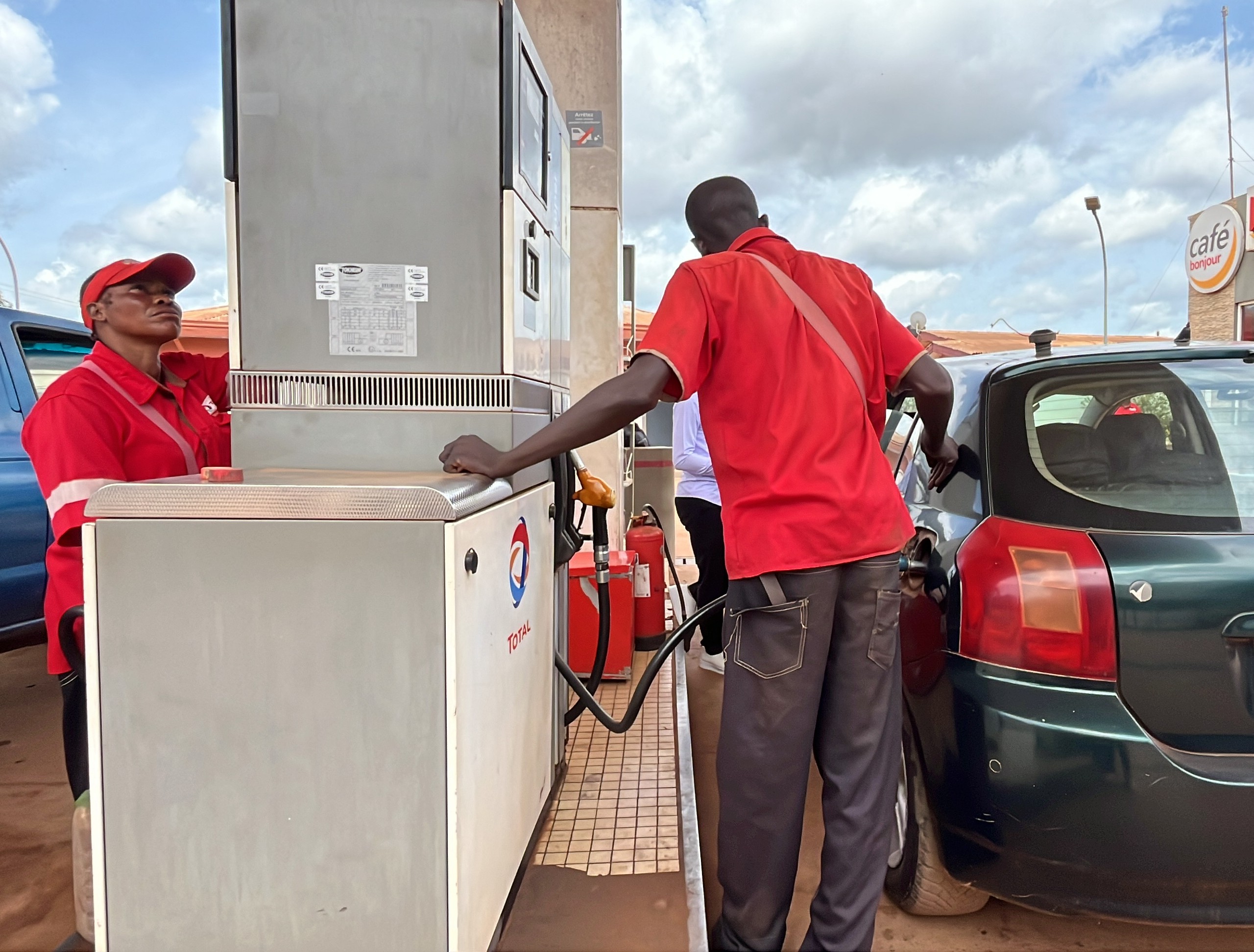
Bangui is experiencing significant disruptions as a fuel shortage has gripped many of its service stations for nearly a week. The scarcity of petrol and diesel has led to long queues and increased difficulties for residents and businesses across the Central African Republic's capital. This ongoing situation has impacted daily activities and transport, raising concerns about its broader economic implications. The observed shortage has been consistent, creating an immediate challenge for the city's infrastructure and its inhabitants. For almost a week, this fuel shortage has been a widespread issue, affecting the regular flow of commerce and personal travel throughout the city.
Service Station Scarcity
Many service stations across Bangui are experiencing significant operational disruptions due to the ongoing fuel shortage. Long queues have been observed at various points of sale where petrol or diesel remains available. These queues can stretch for considerable distances, consuming hours of residents' time. In contrast, several other service stations have completely run out of stock, displaying empty pumps and closed signs, further exacerbating the scarcity. The stark contrast between stations with long lines and those completely devoid of fuel notes the uneven distribution and critical nature of the supply problem. This situation has forced residents and businesses to spend considerable time waiting for fuel, or to seek alternative, often more expensive, solutions. The uneven distribution of remaining fuel supplies means that while some locations still serve customers, many parts of the city face a complete lack of access to petrol and diesel. The visible scarcity at pumps shows the widespread impact of the shortage on daily life in the capital, leading to frustration and operational inefficiencies for both consumers and businesses.
Disruptions to Daily Life
The fuel shortage in Bangui has begun to disrupt the movements and activities of many inhabitants of the capital. This scarcity has created significant challenges for daily commutes and essential services. Residents are facing longer travel times and increased difficulties in accessing work, markets, and schools due to the limited availability of transport. Public transportation services have also been affected, with fewer vehicles operating and extended wait times for passengers. The disruption extends to various economic activities, as businesses reliant on fuel for operations or delivery are experiencing slowdowns. For instance, commercial deliveries are delayed, and the cost of transport for goods has increased, potentially leading to higher prices for consumers. This situation is significantly impeding the ability of various sectors to operate efficiently. The situation is impacting the overall rhythm of urban life, making routine tasks more arduous for a substantial portion of the population and threatening to stifle economic momentum.
Growing Resident Concerns
Residents in Bangui are expressing growing concern over the ongoing fuel crisis, particularly regarding the unpredictable nature of fuel availability. Many inhabitants report increasing worries about the uncertainty of supply, making it difficult to plan daily activities and manage essential mobility needs. This apprehension stems from the fluctuating presence of petrol and diesel at service stations, with some locations experiencing intermittent stock while others remain dry for extended periods. The inconsistent supply has led to fears of further disruptions to transportation, commerce, and access to critical services. Citizens fear the situation could worsen, impacting their ability to commute to work, transport goods, or even access healthcare facilities if the scarcity persists. The lack of clear information regarding future fuel deliveries also contributes to widespread unease among the population, as they struggle to anticipate when normal services might resume. The cumulative effect of these disruptions and anxieties is creating a palpable sense of instability within the community.