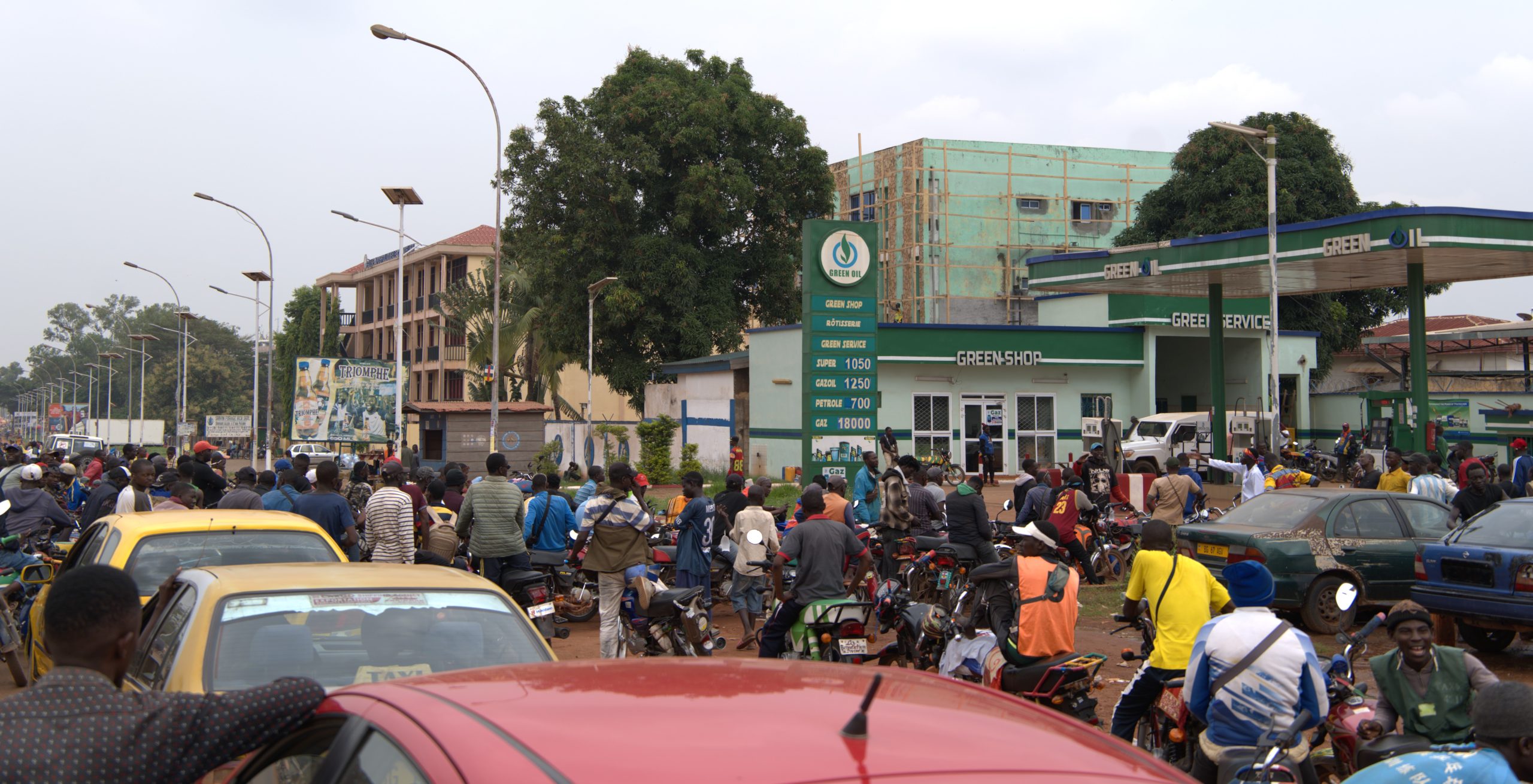
Bangui is experiencing a severe fuel shortage, with the majority of its service stations closed as of Monday morning. The Central African Republic's capital has been grappling with this crisis for nearly two weeks, a period that has seen daily life significantly impacted. The prolonged scarcity has led to widespread disruptions across the city, affecting transportation, commerce, and the general well-being of its residents. The closures show the extent of the ongoing fuel supply issues impacting the region, creating a palpable sense of frustration and uncertainty among the population.
Daily Life Grinds to a Halt
The impact of the fuel shortage is profoundly evident across Bangui's neighborhoods, with numerous service stations unable to meet consumer demand. For instance, the Tradex station in Marabena, a key distribution point, reported completely dry pumps, a clear sign of the widespread nature of the scarcity gripping the city. This critical lack of available fuel has directly interfered with daily routines for countless residents and significantly hampered economic activities. Businesses reliant on transportation for the delivery of goods or for customer access face significant operational challenges, with many struggling to maintain even basic functions. Public and private transport services, including taxis and motorcycle-taxis (bana-bana), are also severely curtailed, making commuting difficult and time-consuming for many. The situation shows the broader disruptions in essential services caused by the prolonged fuel scarcity in the Central African Republic's capital, impacting everything from food supply chains to access to healthcare.
Black Market Fuels Concerns
The severe fuel shortage has inevitably led to a burgeoning black market, causing additional concerns for Bangui's residents. Desperate individuals have resorted to extreme measures to secure fuel, noting the severity of the crisis. One user, for example, reported arriving at a potential supply point as early as 5 AM, hoping to obtain some of the precious commodity. However, the quality of fuel available through these unofficial channels is often compromised, with numerous reports indicating that the product sold on the roadside is sometimes adulterated. This practice not only poses significant risks to vehicle engines, potentially causing costly damage, but also contributes to the instability and lack of transparency within the fuel supply chain in Bangui. The proliferation of such unofficial sales reflects the growing desperation of the population in the face of widespread closures at formal service stations, forcing many to turn to illicit and potentially harmful alternatives.
National Assembly Debates Crisis
A significant debate concerning the ongoing fuel crisis unfolded in the National Assembly on Monday. Lawmakers convened to discuss the severe shortage that has effectively paralyzed Bangui, impacting transport, commerce, and daily life for nearly two weeks. The parliamentary session provided a key platform for officials to address the widespread disruptions caused by the scarcity, which has seen most service stations in the capital close their pumps, leading to long queues and empty tanks. During the session, members of parliament voiced concerns about the economic ramifications and the daily struggles faced by their constituents. The discussions aimed to explore potential solutions and to scrutinize the government's strategy to alleviate the critical situation, which has also led to the emergence of a black market for fuel, further complicating efforts to stabilize supply.
Citizens Express Growing Frustration
The severe fuel shortage has led to a thriving black market where prices are significantly inflated, exacerbating the financial strain on the city's inhabitants. Fuel is currently being sold on the black market for an exorbitant 1,500 francs per liter, a price point far exceeding official rates and making it unaffordable for many. This illicit trade has become a primary, albeit costly, source of fuel for many residents and businesses as formal service stations remain largely closed or operate with severely limited stock. The elevated black market prices add significantly to the financial burden on citizens struggling to maintain daily activities, from running small businesses to simply getting to work. This situation notes the growing desperation among the population and the immense economic pressures caused by the ongoing scarcity in Bangui, pushing many to the brink.