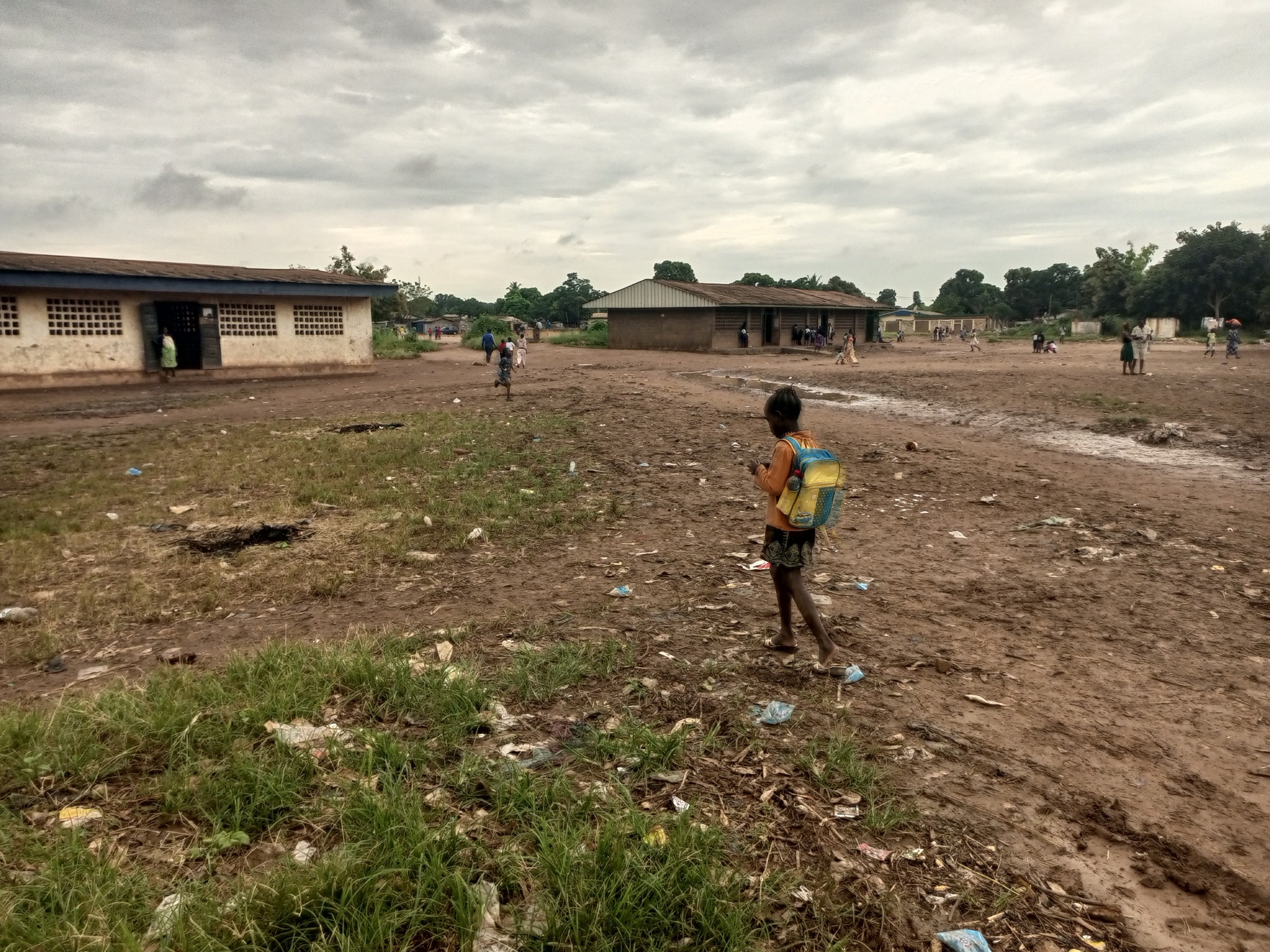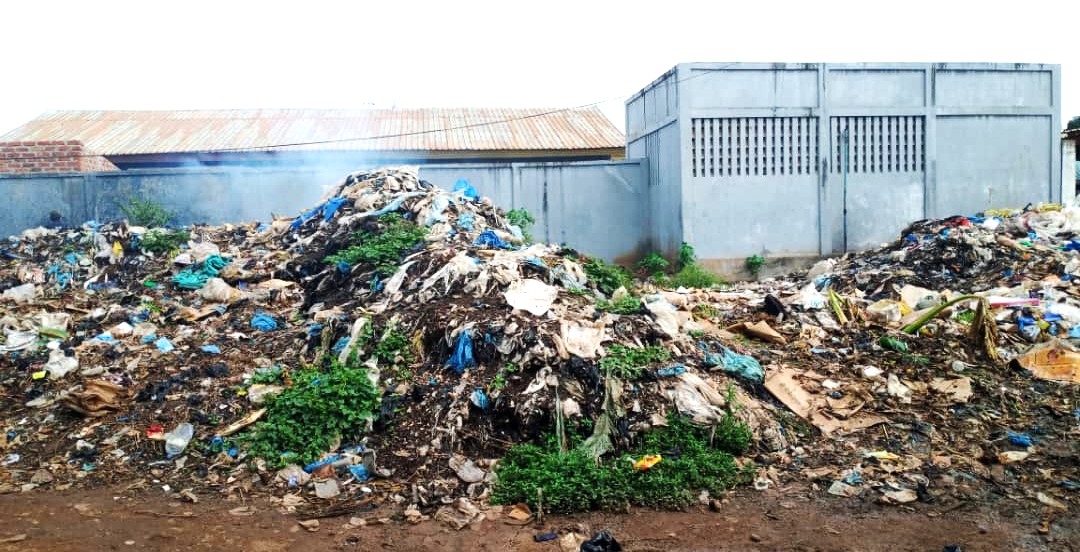
Merchants and residents in Bimbo, a market suburb of Bangui, are expressing widespread complaints regarding the persistent accumulation of waste. These concerns are particularly focused on the significant amounts of refuse that have been routinely dumped behind the market stalls. The market area is reportedly plagued by this uncollected garbage, which creates an increasingly challenging environment for daily life and commerce. This ongoing issue has led to unsanitary conditions and widespread dissatisfaction among those who work and live in the vicinity. The market community attributes the problem to a lack of consistent and effective waste management strategies.
Persistent Waste Problem
Waste materials in Bimbo have remained uncollected for several years, according to local reports from the affected community. This long-standing issue has contributed to the visible and substantial accumulation of garbage throughout the market area, creating an unsightly and unhealthy landscape. The absence of regular waste management services has created a challenging environment for traders and residents alike, who contend with the unaddressed refuse daily. The protracted period without collection has exacerbated the unsanitary conditions previously noted behind market stalls, where refuse piles have grown steadily. This contributes significantly to public health concerns, raising risks of disease transmission and infestation, and the general deterioration of the market's infrastructure. Such conditions directly affect daily commerce and the overall well-being of the community in Bimbo, noting the urgent need for intervention. The sheer volume of waste now present indicates a systemic failure in maintaining basic sanitation standards over an extended period.
Impact on Daily Life
The uncollected waste in Bimbo prevents merchants from carrying out their activities normally, according to reports from the market. The accumulation of refuse has created significant logistical challenges for traders, impacting their ability to operate efficiently within the market premises. This disruption extends to daily commerce, affecting both the vendors' livelihoods and the shopping experience for customers who navigate the cluttered and often malodorous pathways. The presence of garbage near stalls has led to serious concerns about hygiene and accessibility, further hindering regular market operations and potentially deterring patrons. Merchants face difficulties in displaying goods and maintaining clean premises due to the widespread nature of the uncollected materials, which often encroach upon their designated selling spaces. The constant presence of waste not only affects the physical space but also the overall ambiance, making it less appealing for both vendors and buyers. This directly translates into reduced sales and economic hardship for the market's participants.
Root Causes and Lack of Facilities
A significant pile of unevacuated waste has accumulated behind Bimbo's central market, a situation directly attributed to the absence of adequate garbage bins in the area. This critical deficiency in infrastructure means that there are simply no proper receptacles for waste disposal. The lack of designated disposal points forces market-goers and traders to deposit waste directly on the ground, contributing to the growing refuse heaps that now dominate the landscape behind the market. This deficiency in basic waste management infrastructure has been identified as a primary factor in the market's ongoing sanitation crisis, perpetuating the cycle of accumulation. The visible accumulation hinders daily operations and poses severe public health risks due to prolonged exposure to decomposing organic materials and other refuse. The absence of designated disposal points perpetuates the cycle of waste accumulation, exacerbating the unsanitary conditions that have persisted for years within the market premises and creating a chronic public health hazard for the entire community.