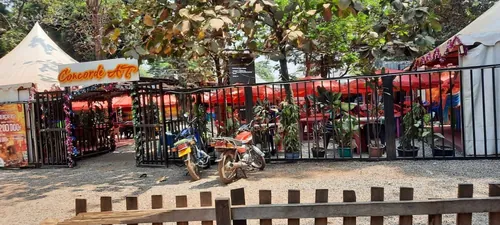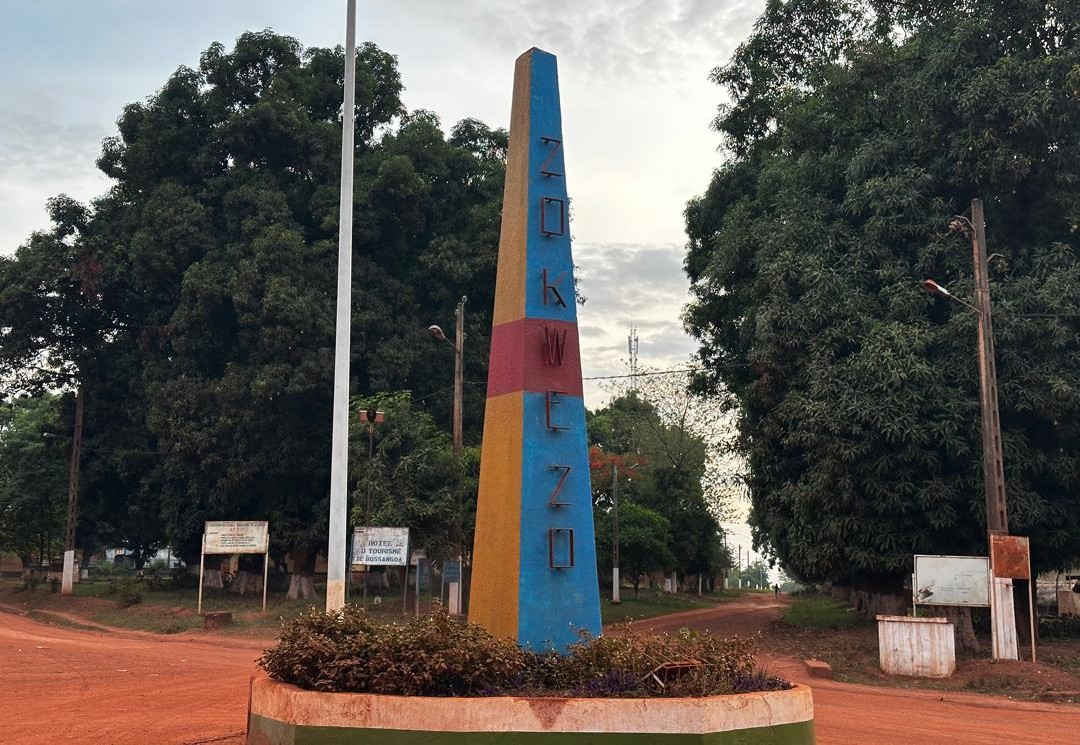
Mototaxi drivers in Bossangoa, located in the Ouham prefecture of Centrafrique, have steadfastly refused to resume their work following recent incidents. The collective action has effectively brought public transportation services to a complete halt in the city, significantly impacting daily life and commerce. This widespread refusal to operate stems directly from incidents involving Russian soldiers seizing vehicles in the area, creating a climate of fear and uncertainty among the drivers. The ongoing drivers' strike shows the profound impact of these vehicle seizures on local commerce and the daily routines of residents who heavily rely on mototaxis for their essential transportation needs. The situation in Bossangoa remains tense as drivers await a definitive resolution to the issues that prompted their work stoppage, indicating a deep-seated grievance that has yet to be addressed. The lack of public transport has created considerable inconvenience for the city's inhabitants.
Vehicle Seizures Spark Protest
Russian soldiers seized several private motorcycles in Bossangoa, according to local reports, directly precipitating the current crisis. These unannounced seizures are widely cited as the immediate and direct cause of the ongoing mototaxi drivers' strike that has paralyzed public transport in the city. The actions by the Russian soldiers prompted drivers to immediately cease all operations, collectively demanding the prompt return of their confiscated vehicles and, crucially, assurances against any future confiscations. The incident has not only halted public transport services across Bossangoa but has also severely impacted the daily life for countless residents who are reliant on mototaxis for commuting, accessing markets, and conducting their daily activities. The drivers' collective refusal to work notes the significant economic disruption and personal hardship resulting from these unexpected seizures. Local authorities have not yet commented publicly on the specific incidents or the detailed nature of the drivers' demands, leaving a void in official communication regarding the escalating situation. This silence further fuels the uncertainty among the mototaxi operators.
Drivers Fear Further Confiscation
Mototaxi drivers in Bossangoa have unequivocally expressed their reluctance to resume their services, citing profound fears that their valuable vehicles could be confiscated again without warning. The ongoing strike, therefore, stems from these incidents where Russian soldiers seized private motorcycles, leading to a complete and sustained halt in public transportation across the city. Drivers are deeply concerned that returning to work without concrete and credible assurances against future seizures would put their primary source of livelihood at unacceptable risk. This apprehension is not merely speculative but is rooted in the recent events that have directly affected their colleagues and their assets.
The collective action by mototaxi operators shows a broader apprehension among the community regarding the security of their personal assets and property. Drivers have maintained their refusal to operate until a satisfactory resolution is found that genuinely guarantees the safety and security of their motorcycles from further seizure. This widespread fear of repeated confiscation is a primary and critical factor prolonging the strike, which, in turn, continues to impact the daily movement of countless residents and the overall local economy. The situation remains unresolved as drivers await concrete measures and official guarantees to address their pressing concerns about vehicle seizures, indicating a stalemate between the operators and the unresolved security issues. Moto taximen prefer not to work, fearing their vehicles will be confiscated again, a fear that underpins their collective resolve.
City Returns to Calm
Despite the ongoing strike by mototaxi drivers, a general calm has returned to Bossangoa, and other activities within the city have largely resumed. The overall situation has stabilized following the initial unrest triggered by mototaxi drivers ceasing operations. Local residents and businesses are gradually returning to their routines after the significant disruption caused by the absence of public transport. The resumption of normal activities in other sectors indicates a de-escalation of immediate tensions in the area, even as the core issue of the mototaxi strike persists. While the streets may appear calmer, the underlying grievances of the mototaxi drivers remain unaddressed, and the absence of their services continues to be felt by the community. The city's daily rhythm has adjusted to the lack of mototaxis, but the demand for their return remains.