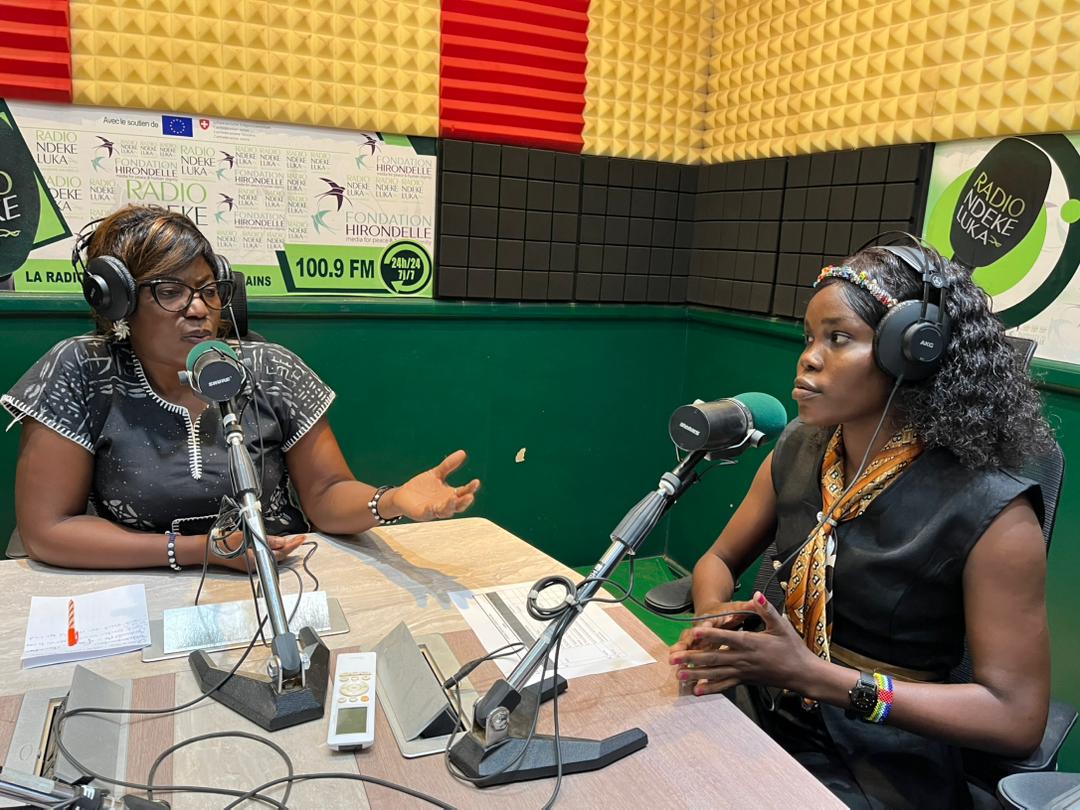
A round table discussion on the issue of rumors in the Central African Republic was held on the radio program 'Les Matins de Ndeke Luka' on June 15, 2026. The discussion, broadcast by Radio Ndeke Luka, aimed to address the growing concern over the spread of misinformation within the country. This 'table ronde', as it was termed, provided a key platform to explore the profound impact of these rumors on society and to deliberate on potential strategies for combating their proliferation effectively. The initiative sought to bring together different perspectives to better understand the challenges posed by the rapid dissemination of unverified information.
The Growing Problem of Rumors
The discussion broadcast by Radio Ndeke Luka on June 15, 2026, centered on the increasing prevalence of rumors spreading within communities and across social networks in the Central African Republic (RCA). These rumors have recently gained significant traction, prompting concerns among stakeholders about their potential impact on social cohesion and public trust. The program, 'Les Matins de Ndeke Luka', aimed to dissect the mechanisms behind the proliferation of such misinformation and explore its consequences for the nation. Participants in the discussion examined how these narratives are disseminated and received, particularly within a digital landscape that facilitates rapid sharing and broad reach. The focus remained on understanding the root causes of their spread and identifying effective countermeasures to mitigate their influence on public discourse and stability in the RCA. This growing problem necessitates a concerted effort to ensure citizens have access to reliable and accurate information, countering the tide of unverified claims that can sow discord and misunderstanding.
Radio Ndeke Luka's Role
Bertille Ghislaine Hamazoda hosted the discussion on 'Les Matins de Ndeke Luka', which focused on the proliferation of rumors in the Central African Republic. The program was broadcast by Radio Ndeke Luka, a media outlet certified by the Journalism Trust Initiative. This certification indicates the station adheres to specific professional and ethical standards in its reporting, ensuring a commitment to accuracy and impartiality. Radio Ndeke Luka operates as a media arm of Fondation Hirondelle, an organization known for supporting independent and professional media in conflict-affected regions worldwide. Its role in hosting such discussions underlines its commitment to providing verified information and fostering informed public discourse in the RCA. By actively engaging with pressing societal issues like the spread of rumors, Radio Ndeke Luka demonstrates its dedication to serving its audience with credible news and analysis, reinforcing its position as a trusted source of information.
Addressing the Societal Scourge
Chancella Doriane Pounoukoudou, a journalist fact-checker at Radio Ndeke Luka, participated as a guest in the discussion on 'Les Matins de Ndeke Luka'. Her presence showed the program's focus on addressing the proliferation of rumors within the Central African Republic. The journalist's expertise in fact-checking provided a critical perspective on how misinformation spreads and its potential impact on communities, offering valuable insights to the listeners. Radio Ndeke Luka's initiative to include a fact-checker in the discussion notes a proactive approach to combating false narratives and promoting media literacy. The program aimed to equip listeners with tools and insights to discern credible information from rumors, fostering a more critical approach to content consumed online and offline. This approach is consistent with the broader efforts to promote media literacy and responsible information consumption in the region, which are vital for a healthy public sphere. The discussion emphasized the importance of verifying information before sharing it, particularly given the rapid dissemination of content through social networks. Journalists and fact-checkers play a key role in clarifying misleading claims and providing accurate information to the public, thereby reinforcing trust in established media outlets. The engagement sought to foster a more informed public discourse, essential for social cohesion and stability in the Central African Republic, by empowering individuals with the knowledge to identify and resist the spread of misinformation.