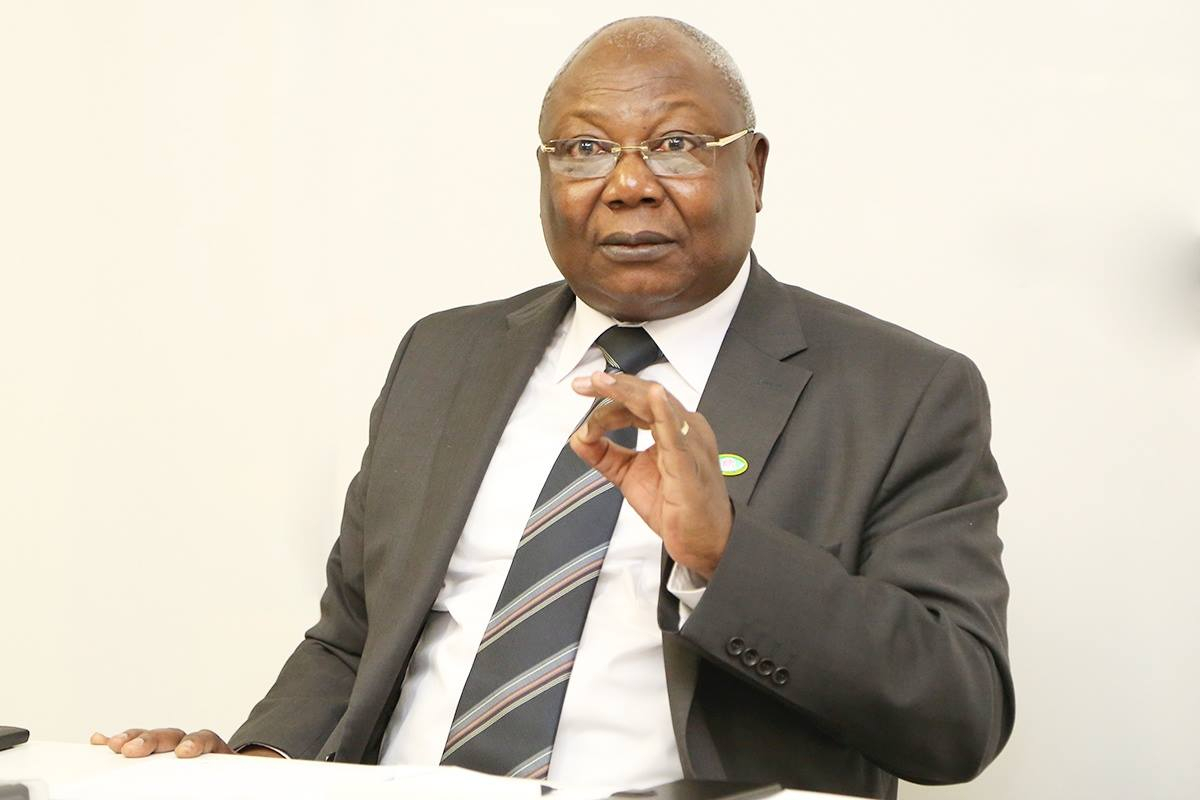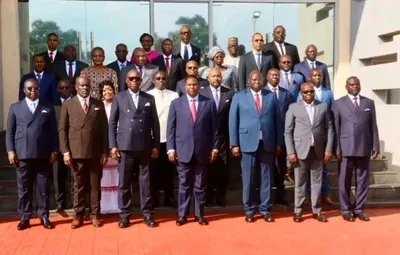
Fari Tahéruka Shabazz has issued a stark warning against entertaining any illusions regarding the true financial state of the Republic of Touadéra, asserting that the regime is actively imposing silence on its ministers. This measure, according to Shabazz, is a calculated attempt to conceal the severe absence of financial resources currently plaguing the government. This significant claim emerges in the wake of the first Council of Ministers of the Moloua III government, which convened on Thursday, June 4. During this key meeting, President Faustin Archange Touadéra presented an ambitious program for what he termed the 'new Republic,' outlining extensive plans for improvements across vital sectors. These included enhancements in electricity supply, water infrastructure, road networks, agricultural modernization, and the key digital transition. However, Shabazz's pointed statement directly challenges the feasibility of these grand pronouncements, suggesting deep-seated issues with the government's capacity to fund such comprehensively detailed initiatives. The expert's analysis paints a picture of a disconnect between the regime's public aspirations and its underlying financial realities.
Ambitious Promises, Empty Coffers
The profusion of promises articulated by the Touadéra regime is reportedly not merely aspirational but rather a deliberate smokescreen. Critics contend that these declarations are specifically designed to conceal actual, unvarnished data from the Directorate General of the Budget, thereby misrepresenting the country's economic health. This concern is further substantiated by official figures derived from the 2026 Finance Law, which unequivocally confirm the critical and precarious state of public finances within the République centrafricaine. These official government figures reveal a substantial "beating hole," or deficit, amounting to 28 billion F CFA within the public finances. Such a significant shortfall raises immediate alarms about fiscal stability. Total projected revenues for the period are theoretically capped at 368 billion F CFA, a figure that appears increasingly inadequate in light of the identified deficit. Concerns have been widely raised that the available resources are fundamentally insufficient to cover even the essential administrative operating expenses of the government. Adding to this bleak financial outlook, budget execution reports consistently show a net decline in public investment. This trend is a critical indicator, suggesting a significant contraction in the government's practical ability to fund and implement development projects vital for national progress. This decline shows the growing chasm between the government's stated ambitions and its actual financial capacity.
Communication Lockdown and Lost Trust
The observed decline in public investment is directly attributed to the drying up of external aid, a critical source of funding for many developing nations. This cessation of international support follows a reported and widespread loss of confidence by international partners in President Faustin Archange Touadéra's governance. This erosion of trust has had tangible consequences, impacting the flow of financial assistance. Critics within the country allege that many of the much-touted development projects remain largely virtual, existing more on paper than in actual implementation. In stark contrast to this stagnation in public works, expenses associated with the leaders' lifestyle have reportedly reached unprecedented and record levels, drawing sharp criticism regarding fiscal priorities.
In a move interpreted by many as an implicit acknowledgment of systemic issues, President Touadéra has declared that "the era is over," referring to past practices of favoritism, nepotism, and administrative inertia. This statement, while offering a semblance of recognition, has yet to be matched by concrete, transparent reforms, according to observers.
Further tightening its grip on information, the presidency has formally forbidden ministers from engaging directly with the media. This sweeping directive mandates that all official communication is now channeled exclusively through government spokesperson Evariste Ngamana. This stringent communication lockdown is widely interpreted by some as a manifestation of fear within the administration – specifically, a fear that ministers might inadvertently or intentionally publicly admit to the severe lack of funds within their respective ministries. The restriction on direct ministerial communication is thus seen as a strategic maneuver to meticulously control the narrative surrounding the country's dire financial state, preventing any unauthorized disclosure that could further undermine public confidence or international perceptions.
Expert Analysis of Governance and Economic Realities
Fari Tahéruka Shabazz has articulated a clear and critical assessment, stating unequivocally that the extensive list of intentions presented by the Touadéra regime is fundamentally idealistic and dangerously disconnected from the current, harsh economic realities facing the nation. Shabazz further asserted that a political direction, however noble its stated goals, that lacks real, tangible financial budgets constitutes a profound deception to the Central African people. This assessment comes amidst mounting concerns about the government's practical ability to fund its publicly stated objectives and deliver on its promises.
Shabazz indicated that the current financial situation represents a major financial rupture, a significant break from previous fiscal assumptions and projections. This rupture, according to the expert, effectively invalidates previous announcements of massive investments that have yet to materialize. The Touadéra regime's ambitious program, which was unveiled with much fanfare during the first Council of Ministers of the Moloua III government, included highly anticipated plans for improvements in critical sectors such as electricity, water, roads, agricultural modernization, and digital transition. However, Shabazz’s incisive analysis suggests a significant and alarming gap between these widely publicized goals and the actual available financial capacity required to execute them with any meaningful impact. The expert's comments show the growing skepticism regarding the government's commitment to economic transparency and its practical ability to deliver on its promises to the République centrafricaine, raising questions about the long-term stability and development prospects of the nation. The lack of financial backing for these initiatives suggests a government that is either unwilling or unable to confront its fiscal challenges head-on, perpetuating a cycle of unfulfilled promises and eroding public trust.