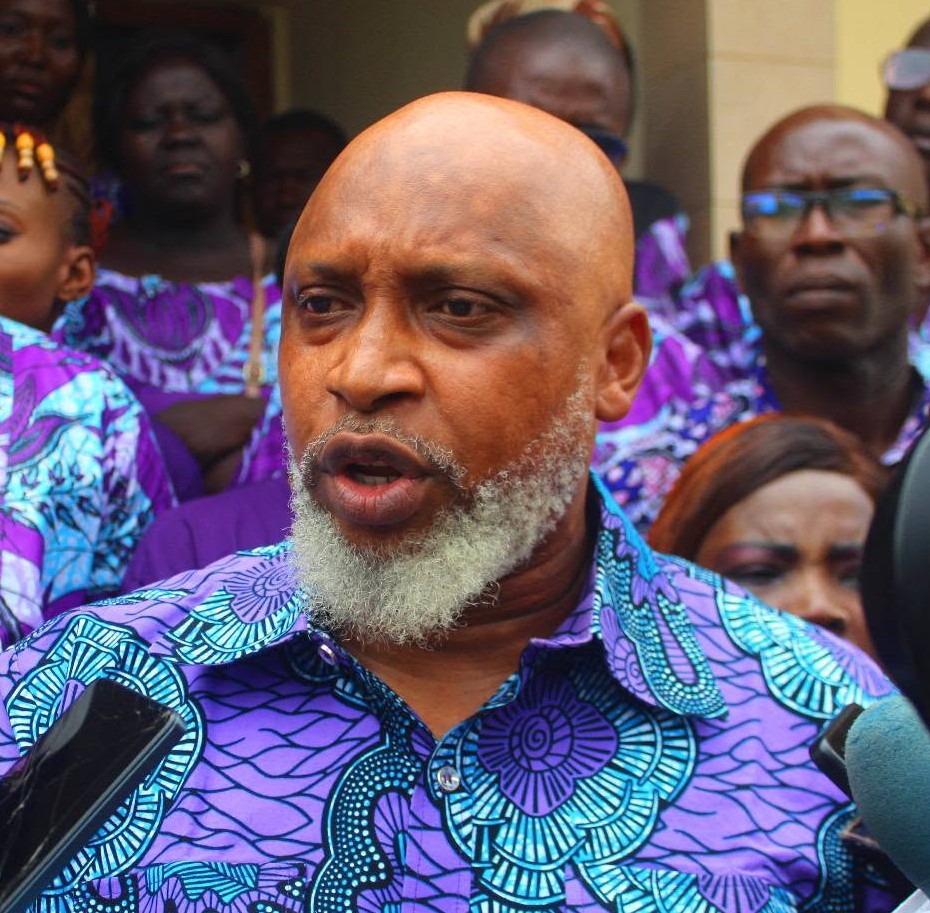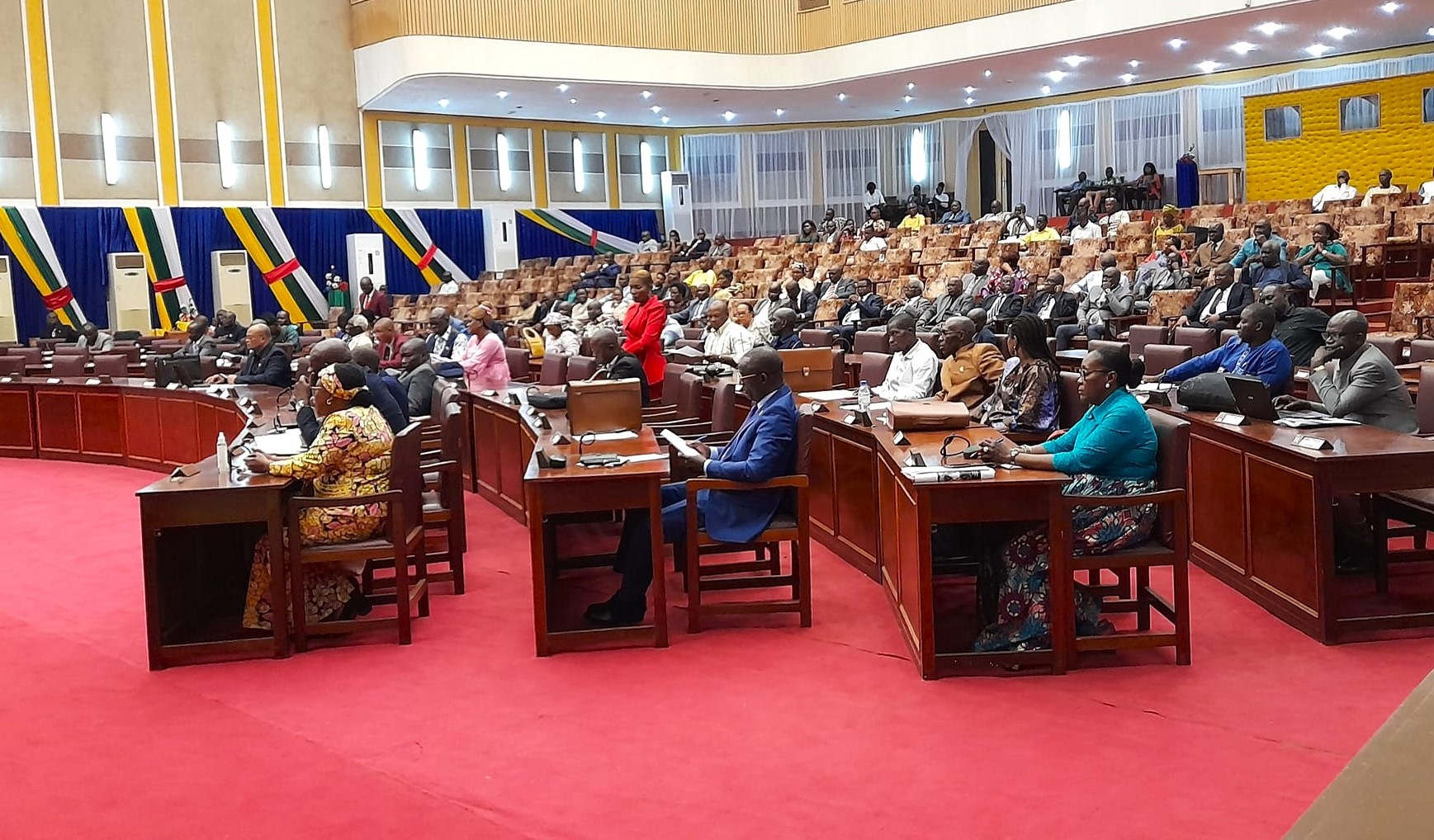
An article published on June 13, 2026, chronicles the key role played by parliamentary groups within the National Assembly in Centrafrique. The piece examines the functions and influence of these groups. Among the deputies featured in the chronicle is Mathurin Dimbélé Nakoé, who represents Sosso-Nakombo in the Mambéré-Kadéï region. The reporting originates from Radio Ndeke Luka, supported by Fondation Hirondelle, the Journalism Trust Initiative, the Direction du développement et de la coopération (DDC), and the European Union.
Inside the National Assembly
Within the Centrafrique Assemblée nationale, the formation of parliamentary groups is a fundamental aspect of legislative function, according to an article published by Radio Ndeke Luka. These groups play a significant role in structuring debate, influencing policy, and ensuring parliamentary oversight. Deputies often align themselves with these groups based on shared political ideologies or regional interests, which can strengthen their collective voice in the legislative process. Mathurin Dimbélé Nakoé, who represents Sosso-Nakombo in the Mambéré-Kadéï region, is one such deputy whose activities within the National Assembly are shaped by these group dynamics. The presence and function of these groups are central to the operational mechanics of the Centrafrique parliament.
A Deputy's Perspective
Deputy Mathurin Dimbélé Nakoé, who represents Sosso-Nakombo in the Mambéré-Kadéï region, was featured in the chronicle discussing the role of parliamentary groups in the Centrafrique Assemblée nationale. His participation noted the practical application and impact of these groups on individual deputies' legislative work. Radio Ndeke Luka's report showed how deputies like Dimbélé Nakoé engage with these structures to advance their priorities and represent their constituencies effectively. The chronicle, part of a larger examination of the National Assembly's functions, provided insights into how such parliamentary groupings shape legislative processes and influence policy outcomes within Centrafrique's political landscape. His perspective contributed to understanding the daily operations and strategic importance of these groups from a deputy's point of view.
Strengthening Party Influence
Parliamentary groups within the Centrafrique Assemblée nationale serve as critical mechanisms for political parties to consolidate and project their influence, according to Radio Ndeke Luka. By uniting deputies under a common political banner, these groups enable parties to advocate more effectively for their legislative agendas and policy priorities. The collective strength of a parliamentary group can significantly enhance a party's ability to shape debates, introduce legislation, and exert control over the legislative process. This structured approach allows parties to maintain discipline among their members and to present a unified front on key issues. Deputies, such as Mathurin Dimbélé Nakoé from Sosso-Nakombo in Mambéré-Kadéï, often align with these groups, which strengthens their individual positions by integrating them into a broader, more influential political structure. This consolidation of power is essential for parties to translate their electoral mandates into tangible legislative outcomes within the National Assembly.
Collective Experience and Growth
Deputies within the Centrafrique Assemblée nationale often gain valuable experience and foster professional growth through their participation in parliamentary groups. This collective engagement allows members, including Deputy Mathurin Dimbélé Nakoé who represents Sosso-Nakombo in Mambéré-Kadéï, to deepen their understanding of legislative processes and policy formulation. Such groups provide a structured environment for skill development.