The Trump administration is reportedly preparing to expel approximately twenty individuals to the Central African Republic (CAR), marking a new development in US immigration policy. An official briefed on the matter stated that the initial flight to the CAR is expected to involve this group of around twenty people. Among those slated for deportation are two Iranian women and an elderly Syrian man, who reportedly survived torture. The deportations indicate an expansion of countries to which the United States is sending migrants, with the CAR being a nation experiencing ongoing instability.
Travel Advisory and Migrant Status
The US State Department advises American citizens to avoid travel to the Central African Republic "for any reason," citing significant risks including violence, terrorism, kidnappings, and severe instability within the country. This advisory notes the precarious security situation in the nation, showing the potential dangers faced by anyone, including deportees, sent to the country. The State Department's strong recommendation against travel for its own citizens raises questions about the safety implications for migrants being involuntarily sent there.
Among the individuals reportedly slated for deportation are two Iranian women who possess no criminal record. These women have also been granted court-ordered protection against deportation to Iran, according to reports. This legal protection was specifically intended to prevent their return to their country of origin due to safety concerns. Despite these protections and their clean records, they are now part of the group being sent to the Central African Republic under the new "third-country" arrangement. The inclusion of individuals with such protections in this deportation plan notes the controversial nature of the strategy.
Third-Country Deal Strategy
The transfer of migrants to the Central African Republic is understood to be part of the White House’s “third-country” deal strategy, designed to accelerate deportations by sending migrants to nations other than their country of origin. This approach allows the United States to deport individuals even if their home country is unwilling to accept them or if there are concerns about sending them directly back. Under this arrangement, hundreds of migrants could ultimately face expulsion. The strategy aims to overcome obstacles to deportation, such as a lack of cooperation from home countries or legal challenges based on conditions in the migrants' native lands. By utilizing third countries, the administration seeks to increase the overall number and pace of deportations.
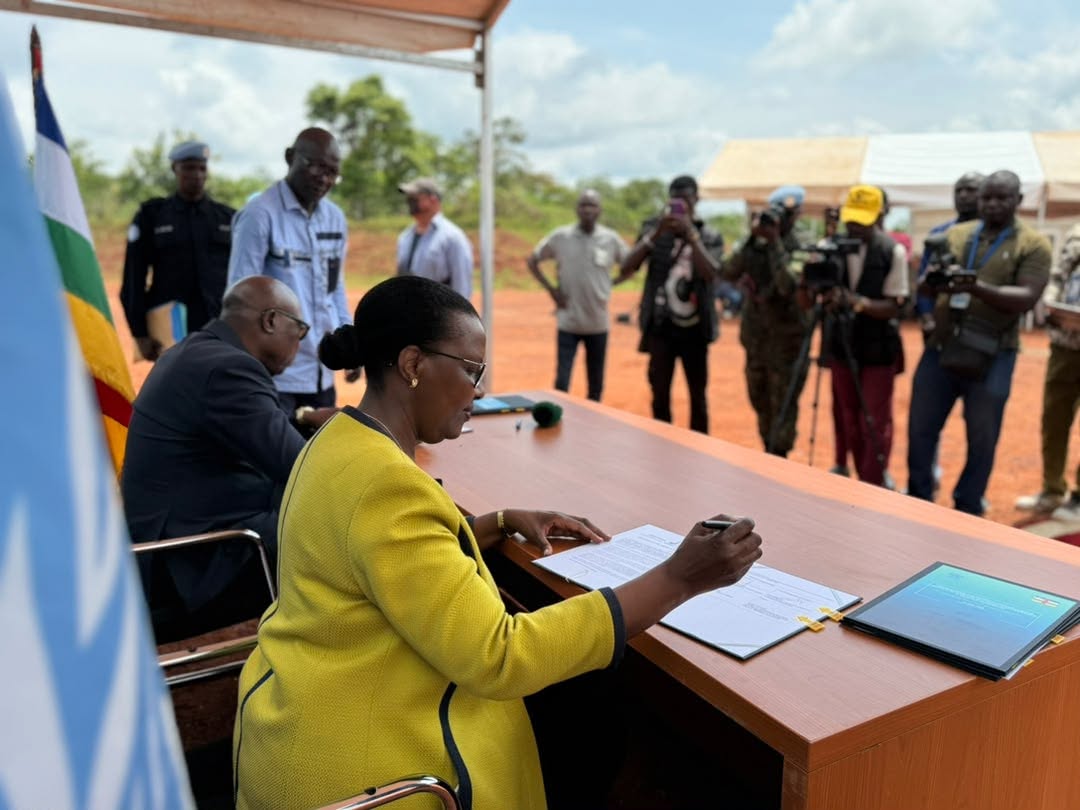
The Trump administration formally signed a deportation agreement with Bangui, the capital of the Central African Republic, in June. This deal expands a network of similar agreements Washington has already established with other African nations. The United States has previously struck comparable agreements with the Democratic Republic of Congo, Ghana, Sierra Leone, and Equatorial Guinea as part of this broader strategy. These “third-country” deals, which facilitate the deportation of migrants to nations other than their native country, are estimated to have cost the US government tens of millions of dollars in total. The strategy represents an effort to manage migration flows by creating new pathways for the removal of individuals from the United States, effectively outsourcing part of its immigration enforcement. The financial investment in these agreements shows the administration's commitment to this particular approach to immigration management.
Central African Republic Context
The Central African Republic is a landlocked nation bordered by Chad, Sudan, South Sudan, the Democratic Republic of Congo, the Republic of Congo, and Cameroon. This geographical position places it in a volatile region of Central Africa. The country has experienced a deep internal crisis and civil wars since 2013, contributing to significant instability. This prolonged period of conflict has led to widespread displacement, humanitarian crises, and a breakdown of state authority in many areas. The ongoing instability is a primary reason for the US State Department's severe travel advisory. The nation's fragile security environment raises considerable concerns about the safety and well-being of individuals being deported there, particularly those who may have experienced trauma or torture.
In 2025, the United States allocated 85 million dollars to support a United Nations operation within the Central African Republic. This substantial financial commitment from the US notes the international community's recognition of the severe challenges facing the CAR and the need for external assistance to maintain even a semblance of order and provide humanitarian aid. The International Organization for Migration (IOM) will provide "post-arrival humanitarian assistance" to migrants sent to Bangui, a service specifically requested by the Central African government. This provision for humanitarian assistance acknowledges the vulnerable situation of the deportees upon their arrival in a country already grappling with its own internal crises and limited resources. The IOM's involvement aims to mitigate some of the immediate risks, but the long-term prospects for these individuals remain uncertain given the country's persistent instability.
European Migration Pact Parallels
The new European Migration Pact, set to enter into force on Friday, June 12, 2026, includes provisions for the detention of migrants in third countries while awaiting repatriation. This indicates a growing international trend towards externalizing migration management. The pact also introduces a flexible definition of safety, permitting countries to be designated as 'safe' if the European Union or individual governments declare them so and have established readmission agreements. This flexible safety concept allows for greater discretion in determining where migrants can be sent, potentially overriding traditional assessments of safety and human rights in those countries.
This approach mirrors policies pursued by some European nations, reflecting a broader shift in how Western countries are handling migration challenges. The Meloni government has implemented a similar strategy by establishing detention centers in Albania for migrants. Such policies, whether in Europe or the United States, raise significant human rights concerns among advocacy groups and international organizations, particularly when migrants are sent to countries with documented security issues or limited capacity to support new populations. The parallels between the US "third-country" strategy and the European Migration Pact suggest a convergence in global immigration policies towards offloading responsibility for asylum seekers and migrants to external nations, often under controversial circumstances. These policies are often justified by the need to control borders and manage migration flows, but they frequently draw criticism for potentially compromising the safety and rights of vulnerable individuals.