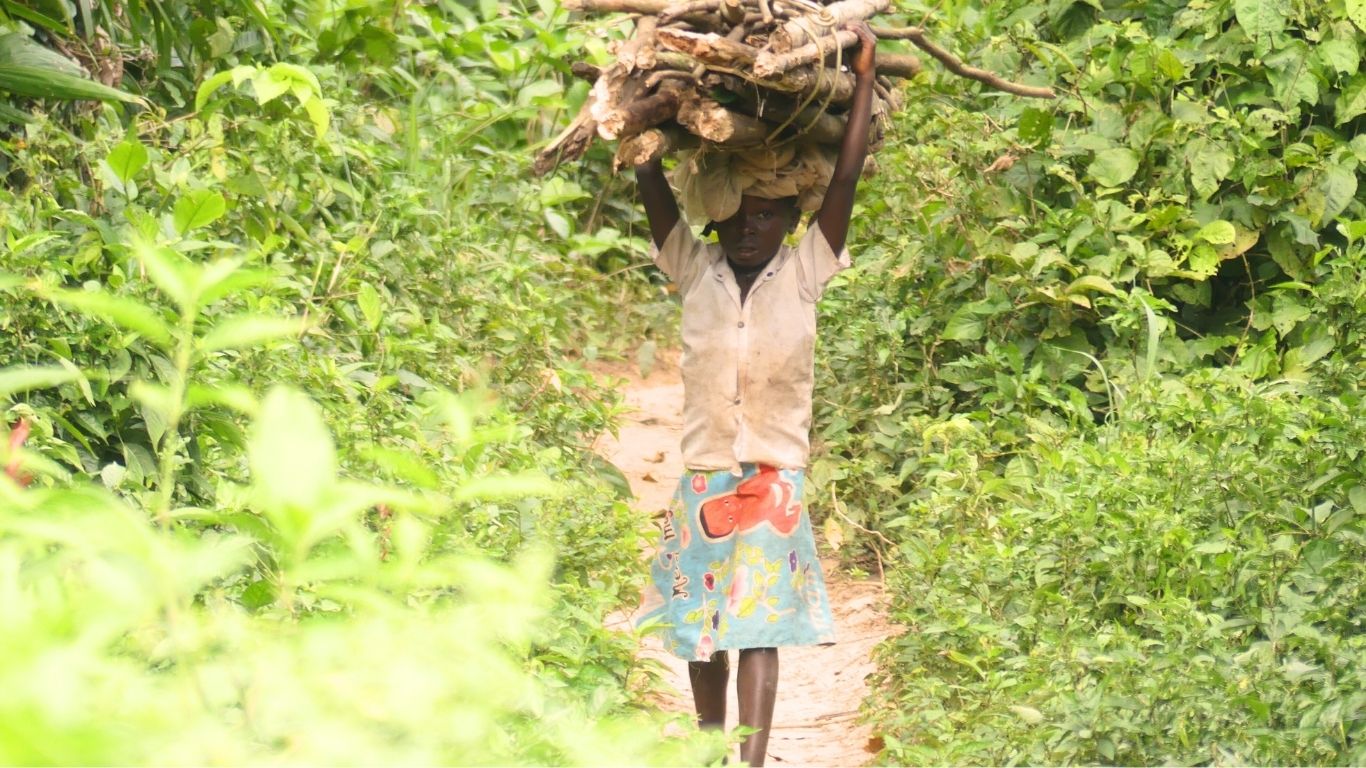
The world observes the World Day Against Child Labour on June 12th, drawing attention to child labor practices that persist in the Central African Republic. This global observance serves as a critical reminder of the ongoing challenges faced by countless children worldwide. This year's theme for the observance is 'Carton rouge au travail des enfants' (Red card to child labor), a powerful call to action against the exploitation of minors. Despite these international efforts and local legal frameworks, the Central African Republic continues to grapple with the prevalence of child labor. The Central African Republic adopted the Code de protection de l’enfant in 2020, establishing full legal protections for children within its borders. This legislative act was a significant step towards safeguarding the rights and well-being of its youngest citizens.
Children's Daily Struggles
Children under 18 are frequently observed engaging in street vending, particularly during school holidays, contributing to household incomes. This widespread practice notes the economic pressures many families face, often compelling children to forgo education or leisure for work. Among these young vendors is Viviane, a 16-year-old, who walks over five kilometers each day to sell bananas. Her daily journey shows the physical demands placed upon these children. She and Ella conduct their sales in front of the community hospital, a common spot for vendors. Viviane stated, "My little sister sells cucumbers and I sell bananas. For her, the expected revenue is 1,500 CFA francs and for me it is 500 CFA francs." This statement reveals the varying income expectations even among young siblings engaged in similar activities.
Viviane's daily revenue is typically 500 CFA francs, while Ella's expected daily revenue stands at 1,500 CFA francs, demonstrating the different scales of their small enterprises. The girls leave their homes early in the morning to sell their goods, a routine that often starts before dawn. Viviane further explained their routine: "We leave the house early in the morning to come sell in front of the community hospital. We return around 11 o'clock to give the money to our mother. She is already old. With this money, she buys seeds for her field and also takes care of us." They typically return home around 11 AM after their selling activities, having spent a significant portion of their morning working.
Legal Protections Ignored
The Central African Republic has established a legal framework designed to protect minors, aiming to eradicate such exploitative practices. This legislation specifically prohibits the economic exploitation of children and any form of work that could negatively impact their health, education, or overall development. The intent of the law is to ensure that children can grow and learn in a safe environment, free from the burdens of premature labor. Article 393 of the Code de protection de l’enfant, a key part of this legal framework, stipulates penalties for those who recruit children into the worst forms of labor. This provision is key for deterring individuals and organizations from engaging in the most egregious abuses of child rights. Individuals found guilty face prison sentences ranging from one to five years, alongside fines that can reach up to five million CFA francs. These substantial penalties are intended to serve as a strong deterrent against child labor. For repeat offenders, the law doubles these penalties, signaling a stricter stance against recidivism in child labor offenses and reinforcing the government's commitment to protecting its children.
Motivations and Circumstances
Eleven-year-old Ella walks over five kilometers each day to sell cucumbers, contributing to her household's income, often as a necessity rather than a choice. Her efforts highlight the daily struggle many families face to make ends meet. Twelve-year-old Evan sells toothbrushes to help finance his upcoming school year, demonstrating a clear link between child labor and the pursuit of education in economically disadvantaged settings. Evan stated, "My big sister gave me a little money to start this small business. I know how to give change. If someone gives me 1,000 francs for a 300-franc item, I have to give them back 700 francs." This quote not only illustrates his entrepreneurial spirit but also the practical skills children develop out of necessity.
Fifteen-year-old Esther, a fifth-grade student at Lycée de Miskine, sells manioc porridge to support her mother and fund her education. Her story is a poignant example of the dual responsibilities many children bear. Esther explained, "It's manioc porridge sweetened with peanuts. My mother prepares it. I live in Poungoulou and I sell door-to-door (ambulant) all the way to Boy-Rabe, passing through the stadium and the Marabena crossroads. This small business allows me to eat, contribute to a tontine, and pay for my schooling." Her extensive route and multiple motivations show the complex realities driving child labor in the Central African Republic, where children often work not just for survival, but also to secure their future through education.