The Bloc républicain pour la défense de la constitution du 30 mars 2016 (BRDC) criticized the government's management of the country in an article published on September 14, 2026. This significant statement from the political opposition group denounced what it described as severe socio-economic woes affecting Centrafrique following the adoption of the 2016 constitution. The BRDC's public critique marks a continued and escalating challenge to the current administration's handling of national affairs, particularly its economic policies and their impact on the populace. The group's detailed assessment notes a growing dissatisfaction among political factions regarding the direction of the country under the present governmental structure.
BRDC's Core Grievances
BRDC spokesperson Martin Ziguélé, a prominent figure within the opposition, unequivocally denounced the deteriorating socio-economic situation experienced by Central Africans since the adoption of the new constitution. Ziguélé's statement, delivered with conviction, noted the bloc's profound concerns regarding the daily living conditions of the populace, asserting a tangible decline in economic stability and overall social well-being across Centrafrique. The BRDC's criticism centers on the government's perceived failure to implement effective policies that would genuinely improve the daily lives of citizens following the constitutional changes. Ziguélé emphasized that the current state of affairs represents a significant departure from the promises of progress and development that accompanied the constitution's implementation, leading to widespread disillusionment. The opposition group maintains that the government's policies have not only failed to address existing challenges but have, in fact, exacerbated them, pushing more Central Africans into hardship.
Press Conference Details
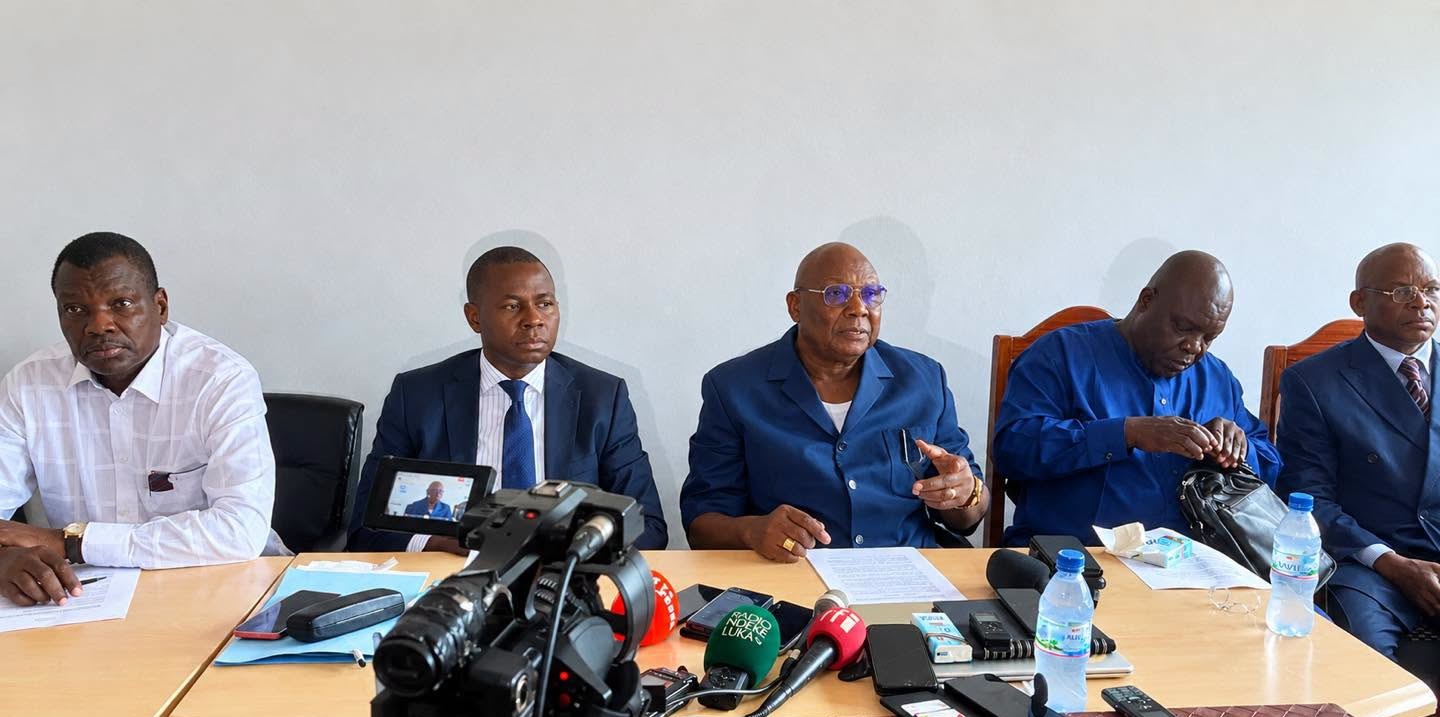
The Bloc républicain pour la défense de la constitution du 30 mars 2016 (BRDC) convened a key press conference on September 11, 2026, three days prior to their article's publication. This gathering served as the primary platform for the political opposition group to articulate its criticisms regarding the government's performance and the prevailing socio-economic conditions in Centrafrique. The press conference allowed BRDC leaders to publicly present their arguments and evidence, setting the stage for their more detailed written analysis. This event preceded the publication of an article by the BRDC on September 14, 2026, which further detailed their grievances and expanded upon the points raised during the conference. The press conference showed the BRDC's consistent and firm stance on national affairs, particularly concerning the profound impact of the 2016 constitution on the daily lives of citizens. During the conference, the group's leaders used the opportunity to publicly reiterate their deep concerns about the perceived decline in economic stability and social well-being across the country, calling for greater accountability and more effective governance.
Socio-Economic Fallout
The Bloc républicain pour la défense de la constitution du 30 mars 2016 (BRDC) asserted that the government has demonstrably failed to implement development policies conducive to improving the living conditions of the population in Centrafrique. The political opposition group specifically noted a perceived decline in purchasing power among citizens, a critical indicator of economic health, which it directly attributes to the current administration's economic management strategies. According to the BRDC, this dire situation has led to significant and widespread social hardship for citizens across the country, affecting families and communities alike. The bloc's full assessment pointed to a general deterioration in key socio-economic indicators since the adoption of the 2016 constitution, suggesting a systemic issue rather than isolated incidents. The BRDC emphasized that the government's current approach has not adequately addressed the fundamental needs of the populace, thereby contributing to widespread dissatisfaction and a growing sense of economic insecurity among the Central African people.