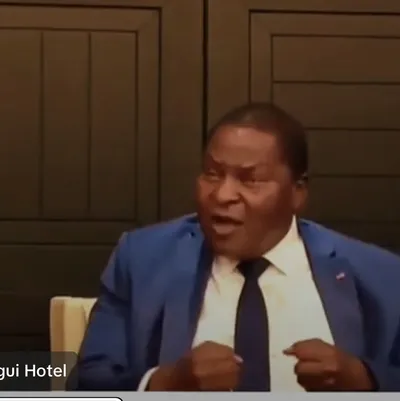
Central African President Faustin-Archange Touadéra has repeatedly urged Central Africans living abroad to return and contribute to the nation's development, emphasizing a need for patriotism and strength. His calls are a consistent appeal for the diaspora to play an active role in the country's future, framing their return as essential for progress and stability. "C’est à nous, les Centrafricains, de prendre en main notre pays. Il faut être vaillant. Il faut être fort," Touadéra stated, showing the responsibility he places on citizens. He has also noted the demographic challenges facing the nation, saying, "Nous sommes sous-peuplés. Et ce sous-peuplement est lui-même un facteur de sous-développement," suggesting that a larger, engaged population is key for overcoming economic hurdles. However, the experiences of some returning citizens have cast a shadow over these appeals. Constitutionalist Dr. Dominique Désiré Erenon, a former expert at the African Union, was arrested upon his arrival at Bangui-Mpoko on October 3, 2025, an event that has raised questions about the safety and reception of returning diaspora members. Dr. Erenon faces eight charges, including conspiracy, endangering state security, and attempted destabilization. This report was filed on May 20, 2026.
President's Calls for Return
President Faustin-Archange Touadéra has consistently reiterated his appeal for Central Africans abroad to return, framing their homecoming as a patriotic duty key for national development. Speaking in Moscow in March 2026, he delivered a pointed message to the diaspora, stating, "It is up to us, Central Africans, to take charge of our country. We must be valiant. We must be strong." This statement showed his belief in the inherent capacity of Central Africans to shape their own destiny. During the same address, Touadéra further emphasized the strategic purpose of their education and training abroad, noting, "The training we have given you in various foreign countries is precisely for your return to the country. We need a little patriotism." These remarks highlight the government's expectation that individuals who have benefited from international education should apply their skills domestically to foster growth and innovation. The President's vision for national development relies heavily on the active participation of these skilled returnees.
However, the practical experience of some returnees has presented significant challenges, contrasting sharply with the government's optimistic rhetoric. One compatriot, whose educational journey led them to study in Russia from 1995 to 2000, illustrates these difficulties. Upon returning to the Central African Republic after completing their studies, this individual found no professional opportunities available in their field. The lack of suitable employment, despite their foreign qualifications, ultimately compelled this individual to leave the country again in search of work, noting a critical disconnect between the call for return and the reality of available economic integration.
The Case of Dr. Erenon
The arrest and subsequent detention of Dr. Dominique Désiré Erenon, a constitutionalist and former expert at the African Union, has drawn considerable attention to the risks faced by some returning diaspora members. Dr. Erenon was transferred to Ngaragba prison in December 2025, following his initial arrest upon arrival at Bangui-Mpoko on October 3, 2025. This sequence of events, from immediate arrest at the airport to transfer to a high-security facility, has been closely watched. He faces a serious array of eight charges, which include conspiracy, endangering state security, and attempted destabilization. These charges carry significant legal implications and are often associated with actions perceived as threats to national order. The specifics of these charges and the evidence supporting them have not been fully disclosed, but they show the potential legal pitfalls for individuals returning to the Central African Republic under certain circumstances.
Further complicating the position of diaspora members, particularly those with international connections, is the country's legal framework regarding citizenship. The 2023 constitution of the Central African Republic imposes strict restrictions on individuals holding dual nationality. This constitutional provision specifically blocks dual nationals from accessing key governmental positions, such as ministerial roles or the presidency, effectively limiting their political participation at the highest levels. To hold these critical positions, individuals are explicitly required to possess exclusive Central African nationality. This legal requirement could pose a significant barrier for many members of the diaspora who have acquired citizenship in other countries during their time abroad, potentially limiting their ability to contribute to the nation's governance in the ways envisioned by the President's appeals.
Deteriorating Conditions and Control
Beyond the legal and professional hurdles, the broader security and economic landscape within the Central African Republic presents additional challenges for both residents and potential returnees. Mercenaries associated with Wagner or Africa Corps reportedly exert considerable control over vital economic sectors. These groups are said to be involved in the control of mining operations, a lucrative industry within the country, and key transportation routes, which are essential for commerce and movement. These groups are also said to be involved in racketeering activities, indicating a widespread influence over local economies and potentially impacting the safety and financial stability of citizens.
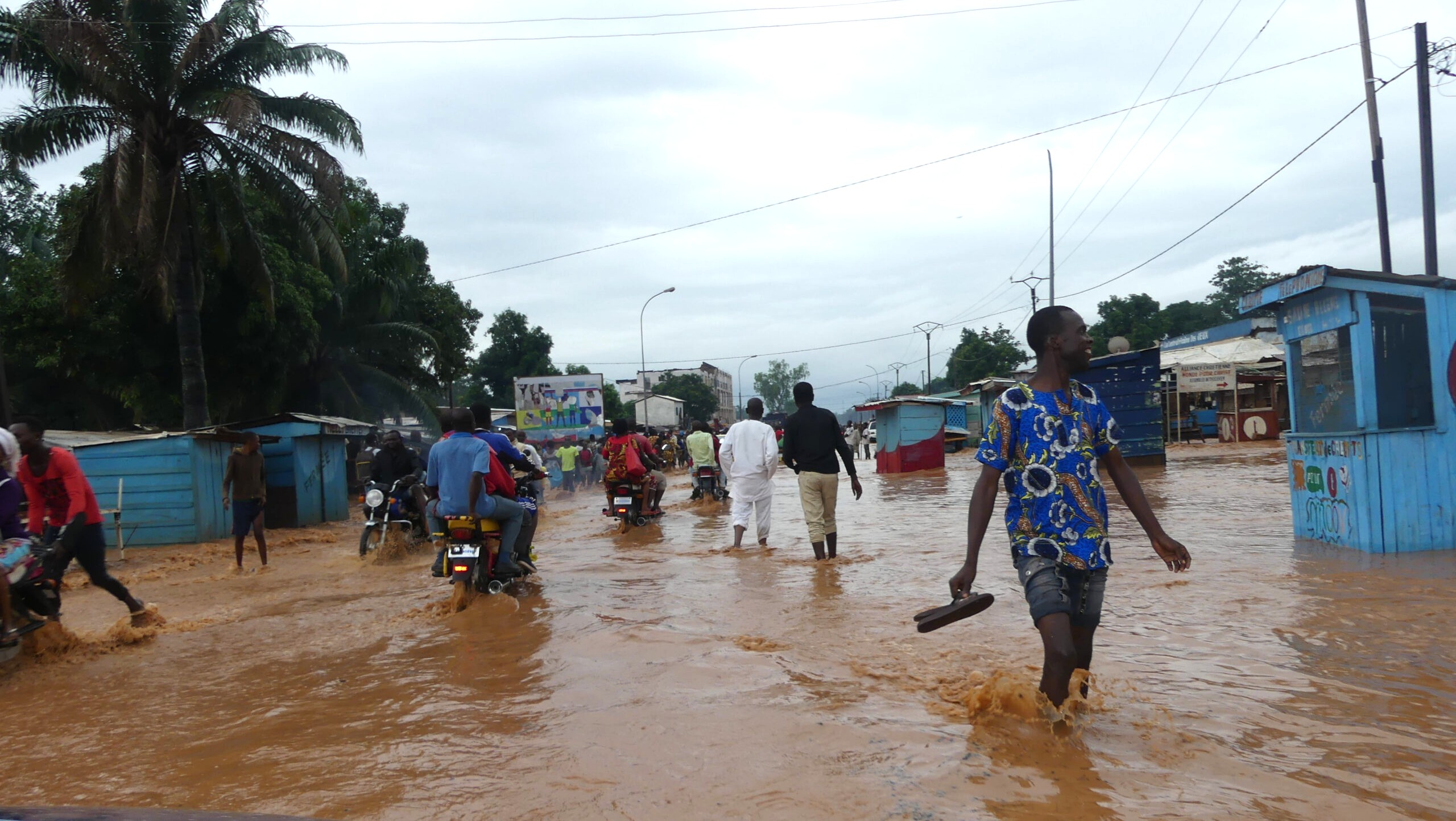
Beyond security concerns, the country's infrastructure faces significant challenges, contributing to a difficult living environment. Roads across the nation are described as being in a state of severe disrepair, hindering transportation, commerce, and access to essential services. Access to basic utilities remains inconsistent and unreliable, with frequent electricity outages disrupting daily life and economic activities for both urban and rural populations. Water resources are often scarce or contaminated, posing serious public health risks and impacting daily life for residents who struggle to access clean and safe drinking water. These infrastructural deficiencies paint a picture of a country grappling with fundamental service delivery issues.
A central claim emerging from current observations suggests that the current regime demonstrates preferential treatment towards foreign nationals for economic opportunities, a situation that could further marginalize Central African citizens. Specifically, individuals from Rwanda, Cameroon, and Lebanon are reportedly favored over Central African citizens when it comes to market access and securing government contracts. This alleged favoritism could create an uneven playing field, making it more difficult for local entrepreneurs and businesses to thrive. Such a policy, if true, would contradict the stated goal of empowering Central Africans to develop their own country, potentially exacerbating economic disparities and fostering resentment among the local population. The combination of security issues, infrastructural decay, and alleged economic favoritism paints a complex picture for those considering President Touadéra's call to return.