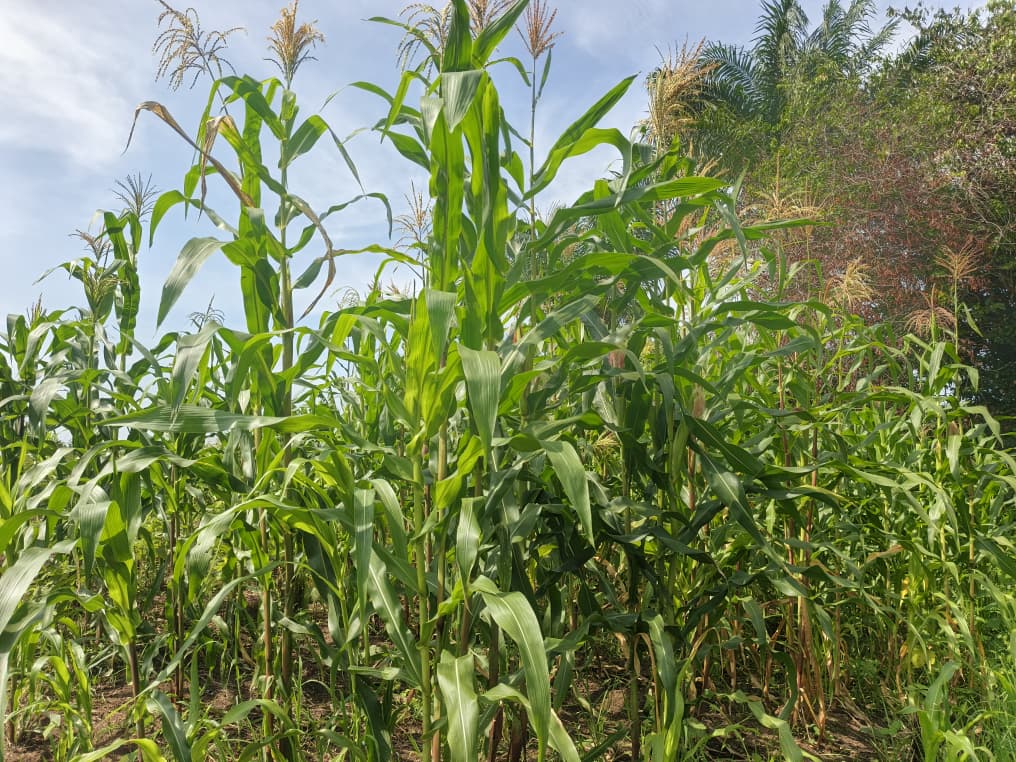
The world celebrates World Environment Day on June 5th, noting the urgent need for environmental action. Populations heavily reliant on agriculture, particularly in regions like the République centrafricaine (Central African Republic), are significantly impacted by these climate change effects. Farmers in areas such as Bangassou, in the Mbomou prefecture, face heightened challenges as they contend with an increasingly unpredictable environment, threatening their livelihoods and food security. The global observance of World Environment Day serves as a key reminder of the shared responsibility to protect our planet and support communities on the front lines of climate change.
Climate Impacts on Agriculture
The République centrafricaine is increasingly experiencing the effects of climate change, with its profound impacts becoming more evident across various sectors. Farmers in regions such as Bangassou, located in the Mbomou prefecture, are particularly vulnerable to these environmental shifts. Agricultural practices, which form the backbone of many local economies and sustain countless families, face significant disruption from erratic weather patterns. These changes include unpredictable rainfall, prolonged dry spells, and more frequent extreme weather events, directly threatening crop yields and livestock. The reliance on rain-fed agriculture means that even slight deviations from historical climate norms can have severe consequences for food security and the livelihoods of farming communities across the nation. The cumulative impact of these climatic challenges exacerbates existing vulnerabilities within the agricultural sector, making it harder for farmers to plan and ensure consistent harvests.
Global Context and Local Reality
World Environment Day, observed annually on June 5th, carries the theme "Now for Climate" for its upcoming iteration on 5 June 2026. This global focus shows the urgency of addressing climate change impacts worldwide. The theme aims to galvanize action and highlight the need for immediate, concerted efforts to mitigate environmental degradation and adapt to changing climatic conditions. This global initiative provides a backdrop for understanding the specific challenges faced by communities in vulnerable regions, such as the République centrafricaine, where the effects of climate change are already profoundly felt. The international recognition of climate action as a critical priority aligns with the on-the-ground realities confronting farmers in areas like Bangassou, who are battling these environmental shifts daily. The global call to action emphasizes that while climate change is a worldwide phenomenon, its consequences are deeply personal and localized for those whose lives depend directly on the land.
Urgent Need for Action
Climate change impacts in the République centrafricaine are manifesting through significant disruption of traditional agricultural seasons. These disruptions are not merely minor inconveniences; they represent fundamental shifts that profoundly affect food production cycles. Farmers across the nation are experiencing reduced agricultural yields as a direct consequence of these environmental shifts. The region also faces the heightened challenge of recurrent floods and droughts, which further destabilize agricultural production and threaten food security for millions. These patterns indicate a critical need for adaptation strategies and support for local communities to build resilience. The unpredictability of weather events makes planning and cultivation increasingly difficult, exacerbating existing vulnerabilities for populations heavily reliant on subsistence farming. These climatic pressures contribute to a growing urgency for both localized and broader interventions to assist farmers in mitigating the effects of these environmental changes on their livelihoods and ensuring the long-term food security of the nation. The ongoing struggle notes the critical importance of global awareness and targeted assistance in fostering sustainable agricultural practices.