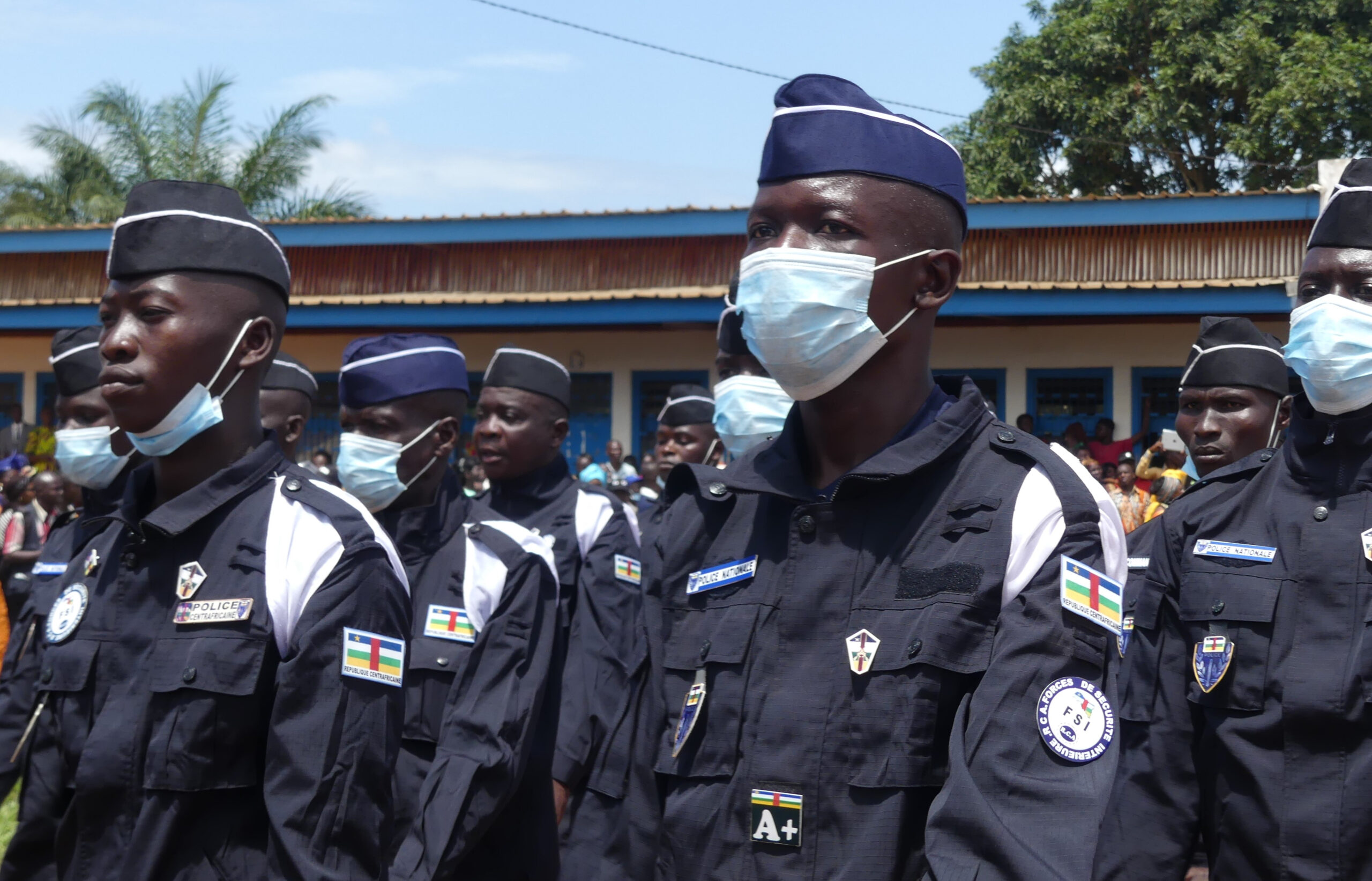
The Direction Générale de la Police Nationale in the Central African Republic has issued an official document outlining intentions to track individuals managing certain social media accounts. This document, which has been widely circulated, details the government's strategy for monitoring and potentially apprehending online critics. The police claim to be mobilizing specialized services to geolocate the administrator of these accounts in France. This move comes amidst broader concerns about content moderation and online freedoms within the country, raising questions about the extent of government surveillance and its implications for human rights.
Government Targets Online Critics
The Direction Générale de la Police Nationale is specifically targeting Facebook pages associated with cyber-activists identified as "Mon Choux Quentin" and "Abdoulkader Legos." These individuals have been prominent online voices, often sharing content critical of the current administration. This action is part of a broader effort by authorities to identify and locate administrators of certain social media accounts deemed problematic and a threat to national security or public order. The police statement indicated specialized services are being mobilized to geolocate these individuals, who are believed to be operating from France. This focus on specific online personalities notes the government's intent to curb dissenting voices or content critical of the administration on social media platforms. The targeting of these particular cyber-activists suggests an escalation in the measures taken against online criticism within the Central African Republic, moving beyond simple content removal to active pursuit of individuals. The government's stance suggests a low tolerance for online dissent, framing it as a matter of national security rather than freedom of expression.
Legal Maneuvers and International Conventions
Authorities in the Central African Republic have initiated formal requests to Meta, the parent company of Facebook and Instagram, to censor specific pages on both platforms. This represents a significant step in the government's campaign to control online narratives. The Direction Générale de la Police Nationale is seeking the removal of content and potentially the accounts themselves, according to official communications sent to the tech giant. This action represents a direct engagement with international social media providers in their efforts to control online discourse and information flow within the country. The police's requests specifically target pages that they assert are linked to cyber-activists previously identified as being of concern, including those managed by "Mon Choux Quentin" and "Abdoulkader Legos." This move indicates a strategy to leverage the content moderation policies of major technology companies to address online content deemed problematic by the government. The requests to Meta are part of a broader push by the Central African Republic to exert greater influence over information shared on social media platforms accessible within the country, reflecting a desire to extend national legal frameworks into the digital sphere.
Accusations of Repression and Wagner's Role
Authorities in the Central African Republic are invoking the Budapest Convention, an international treaty on cybercrime, in their efforts to target specific online content and individuals. This legal approach aims to facilitate international cooperation in addressing cyber-related offenses, particularly those deemed to cross national borders. The government's actions have drawn scrutiny from international observers, with the article mentioning the involvement of "Wagner" mercenaries in the country. The presence of Wagner personnel has been linked to various security and political activities within the Central African Republic, often operating in an advisory or operational capacity alongside government forces. Their reported involvement adds another dimension to the government's push for increased control over online discourse and the accusations of repression against dissenting voices, raising concerns about potential foreign influence on domestic policies and human rights practices. Critics suggest that the invocation of international conventions might be a pretext for suppressing legitimate political opposition and freedom of speech.
Media Outcry and Cyber-Activist Concerns
The article notes concerns regarding the potential forced repatriation of individuals, who could then face torture in detention centers in Bangui. This prospect has generated significant alarm among human rights organizations and media outlets. Specific facilities mentioned include camp de Roux and Ngaragba prison, raising alarms among human rights observers about the treatment of those targeted by the government's online censorship efforts. These concerns are amplified by reports of harsh conditions and alleged abuses within the Central African Republic's penal system. The cyber-activist community and international media have voiced strong opposition to these measures, warning against the potential for severe human rights violations if individuals are forcibly returned to the country. The situation shows a growing tension between national security concerns and fundamental freedoms in the digital age.