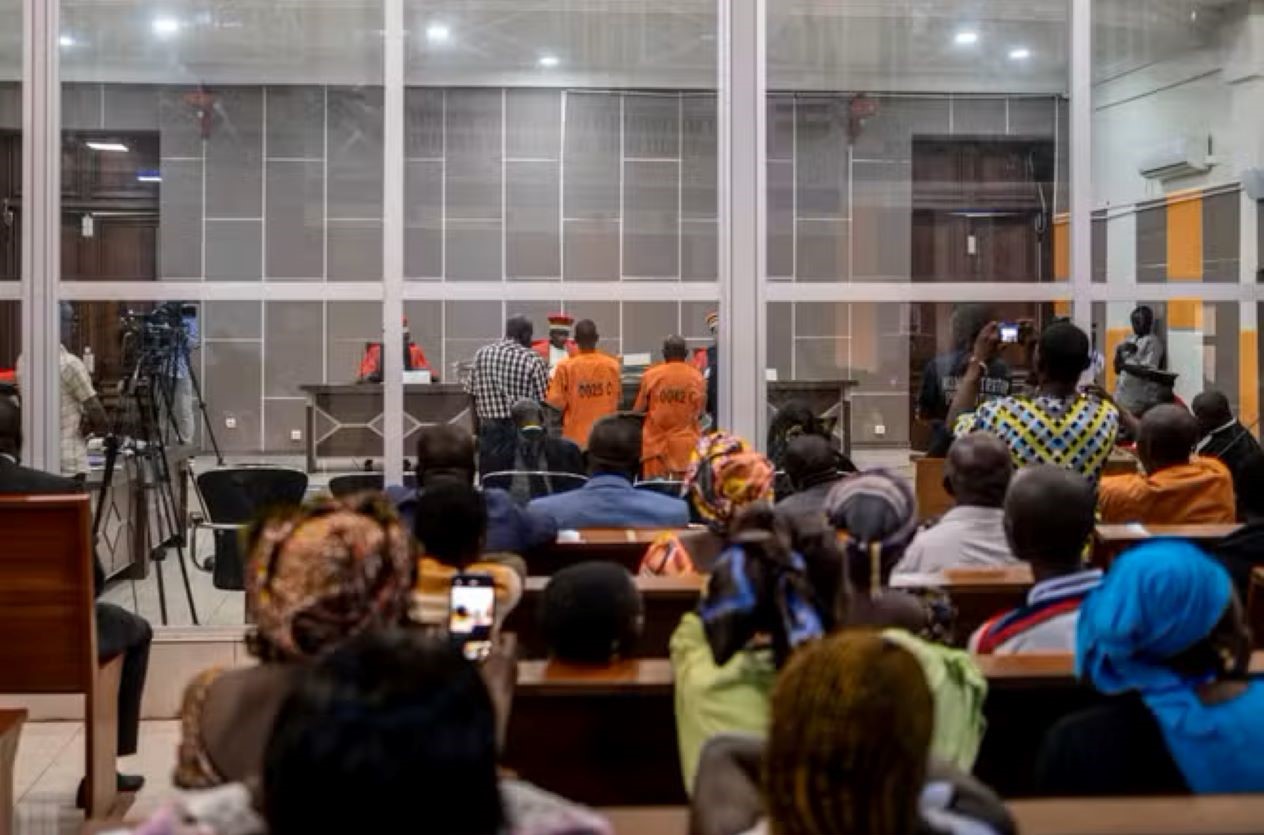
The trial in the "Bossembélé" case, which opened on June 16th before the Special Criminal Court (CPS) in Bangui, Centrafrique, has been suspended. The proceedings will address the charges against François Bozizé, who will be tried in absentia (par contumace). This significant legal development marks a critical juncture in the country's efforts to ensure accountability for serious crimes.
Trial Details and Suspension
The trial in the "Bossembélé" case, which began on June 16th before the Special Criminal Court (CPS) in Bangui, Centrafrique, has been suspended. This initial opening on June 16th marked the formal commencement of proceedings against the former head of state. The proceedings are set to resume next Thursday, allowing for a brief intermission in the court's schedule. Former President François Bozizé is being tried in absentia (par contumace) in connection with these events, a legal mechanism employed when an accused individual is not physically present in court. The suspension means a temporary pause in the judicial process concerning the charges against him, providing a short deferral before the court resumes its work. The court will reconvene to continue deliberations and evidence presentation in the case, moving forward with the formal legal process.
Accused and Location
Former Central African President François Bozizé is the main accused in the case currently before the Special Criminal Court (CPS) in Bangui, Centrafrique. The legal proceedings are focused on charges brought against him, with the court handling the matter in his absence. Bozizé, who previously held the highest office in the nation, is currently living in exile. He resides in Guinée-Bissau, a country in West Africa, from where he has been unable to attend the ongoing judicial process. The decision to try him in absentia (par contumace) shows the court's determination to proceed with justice despite his physical absence. This legal approach ensures that the allegations against him can be addressed through due process, even when the accused is not present in the courtroom. The trial's continuation will see the court address the accusations against him while he remains outside of Centrafrique, adhering to the legal framework established for such situations.
Legal Proceedings Context
The Special Criminal Court (CPS) in Bangui, Centrafrique, is a hybrid judicial body established to investigate and prosecute serious international crimes committed in the country since 2003. Its mandate includes crimes such as genocide, war crimes, and crimes against humanity, reflecting the severe nature of the offenses it is designed to address. The court operates with both national and international judges and prosecutors, aiming to ensure accountability for atrocities and contribute to justice and reconciliation in the Central African Republic. This unique composition is intended to bolster the court's credibility and capacity. Its creation was part of broader efforts to strengthen the rule of law and address cycles of violence that have affected the nation for many years. The CPS receives support from various international partners, including the Union Européenne and the Fondation Hirondelle, which contributes to its operational capacity and independence, noting the international community's commitment to justice in the CAR. This legal framework allows for the prosecution of high-profile individuals, even if they are not present in the country, as is the case with François Bozizé. The proceedings are designed to adhere to international fair trial standards, despite the challenges posed by trying individuals in absentia, ensuring that legal safeguards are maintained throughout the process.