Prisca Roseline Mano was elected mayor of Bangui, the capital of Centrafrique, according to reports on June 17, 2026. Her election marks a significant development in the city's leadership, ushering in a new era for the municipal administration of the Centrafrican capital. This news report itself is published on June 17, 2026, detailing the immediate aftermath and implications of this key election.
Historic Election Victory
Prisca Roseline Mano's election as mayor is a significant first for Bangui, the capital of Centrafrique. She is the first woman to hold the mayoral position in the city's history. This new achievement is seen by many as a step forward for gender representation in leadership roles within the country. Her victory comes at a time when the city faces numerous challenges, making her mandate particularly key. The announcement of her election was reported on June 17, 2026, drawing widespread attention both locally and internationally. This development marks a new chapter for Bangui's municipal administration, with expectations high for the incoming leadership. The historical context of her election shows the evolving political landscape in Centrafrique.
Background and Context
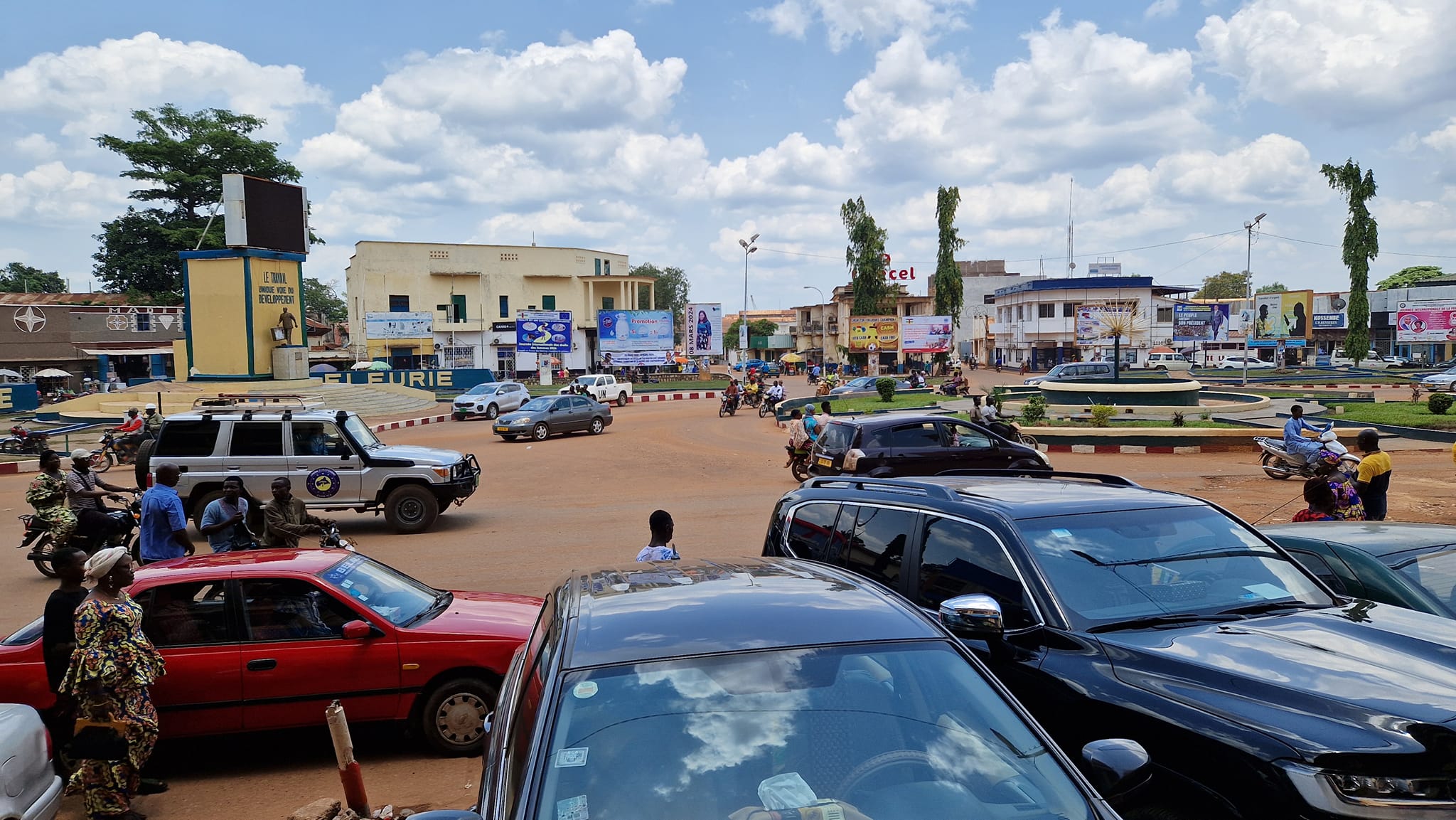
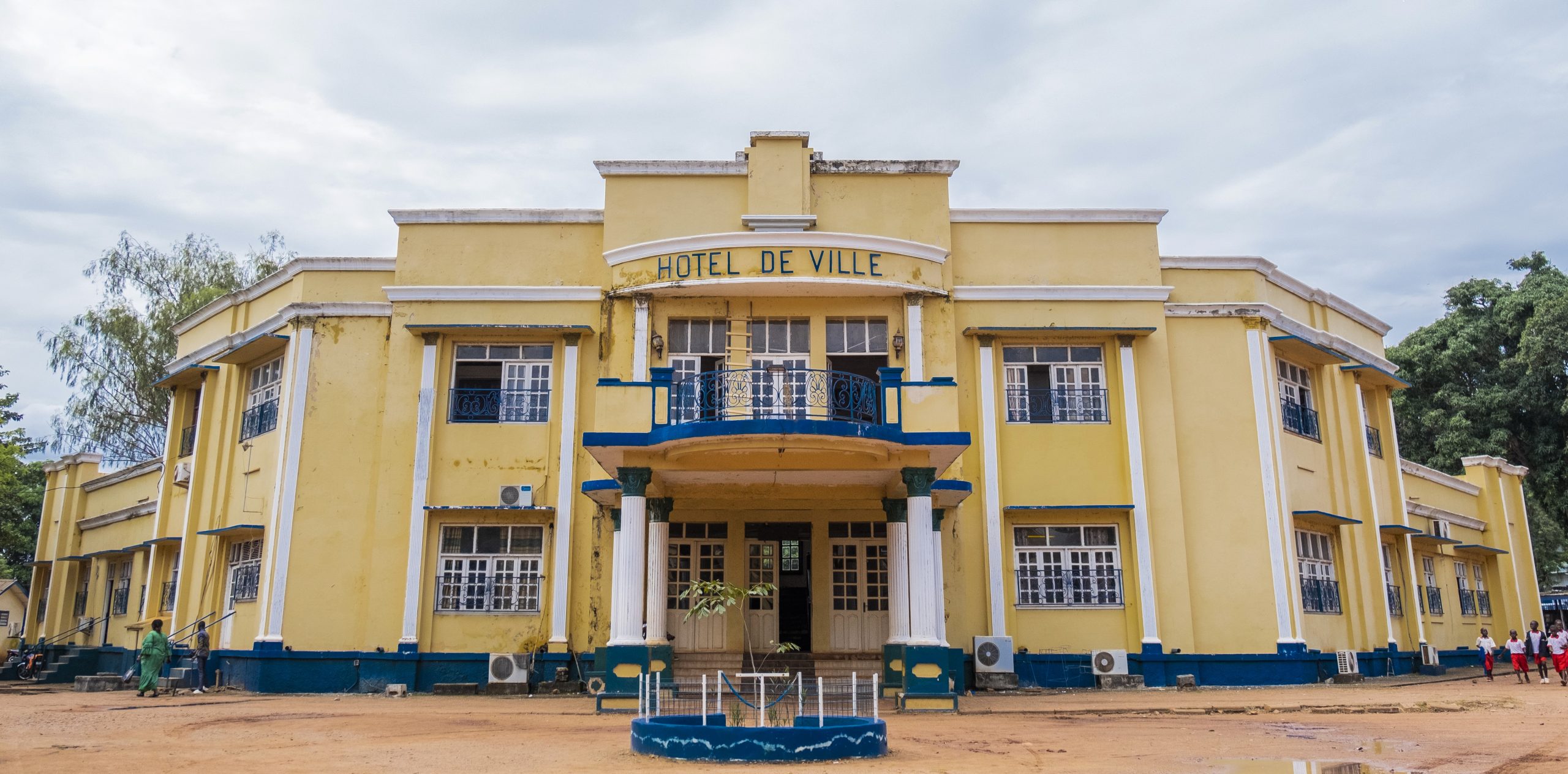
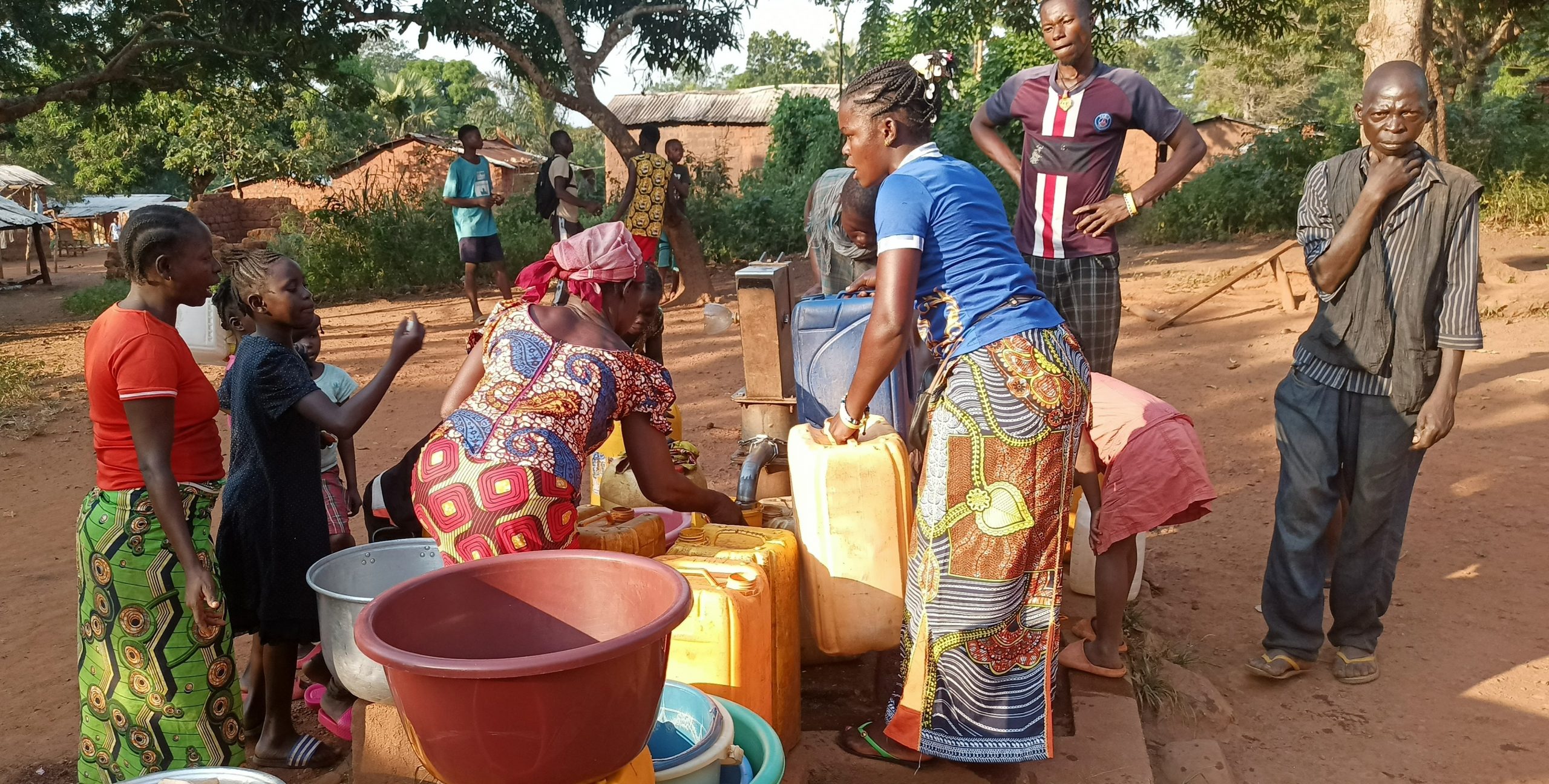
Bangui, the capital of Centrafrique, has historically faced various challenges including security, infrastructure development, and social cohesion. These issues have long impacted the quality of life for its residents and posed significant hurdles for previous administrations. The city, located in the heart of Centrafrique, serves as the country's economic and administrative center, making its effective governance critical. Its stability and progress are critical for the wider region, as Bangui functions as a hub for commerce and political activity. Centrafrique has experienced periods of political instability, which have profoundly impacted the daily lives of its citizens and the functionality of its urban centers. The election of a new mayor often brings renewed focus on these pressing issues, providing an opportunity for fresh approaches and solutions. Bangui's municipal administration is responsible for a broad range of public services, urban planning initiatives, and maintaining order within the city limits. This includes everything from waste management and road maintenance to public safety and community development programs. The broader context of Centrafrique's relationship with neighboring countries like Soudan also influences the capital's political and economic landscape, adding layers of complexity to its governance. This interconnectedness means that regional dynamics can often have direct implications for Bangui's development and security.
Looking Ahead
Prisca Roseline Mano's tenure as mayor of Bangui is expected to focus intently on addressing the city's persistent challenges. These include improving security measures to ensure the safety of residents and businesses, developing critical infrastructure such as roads, public transportation, and utilities, and fostering social cohesion among the diverse communities within the capital of Centrafrique. Her leadership will also be key for the effective functioning of Bangui's municipal administration, which oversees the delivery of essential public services and implements urban planning strategies. The new administration will operate within the broader context of Centrafrique's political landscape, including its relationships with neighboring countries like Soudan, which can impact resource availability and regional stability. Observers will closely monitor how these dynamics influence the city's progress under her guidance, particularly in areas like economic revitalization and urban renewal. The efforts to enhance infrastructure are particularly anticipated, as they are key for both daily life and long-term economic growth.
Public Reaction
The election of Prisca Roseline Mano as Mayor of Bangui has generated considerable interest and a wave of discussion among residents of Centrafrique's capital. Many citizens expressed hope that her administration would bring tangible improvements to daily life, particularly regarding the pressing issues of security and public services. Discussions across social media platforms and local gatherings reflected a mix of optimism and anticipation regarding her potential impact on urban development and the efficiency of public services. There is a palpable sense of expectation that her leadership will usher in positive changes. Local media outlets, including the widely listened-to Radio Ndeke Luka, have been extensively covering the initial reactions, noting the profound significance of a woman leading the city for the first time in its history. The public awaits concrete actions and policy implementations from the new municipal administration in Bangui, eager to see how the promises of a new era will translate into practical benefits for the city and its inhabitants. The historic nature of her election has resonated deeply within the community, setting a precedent for future political endeavors.