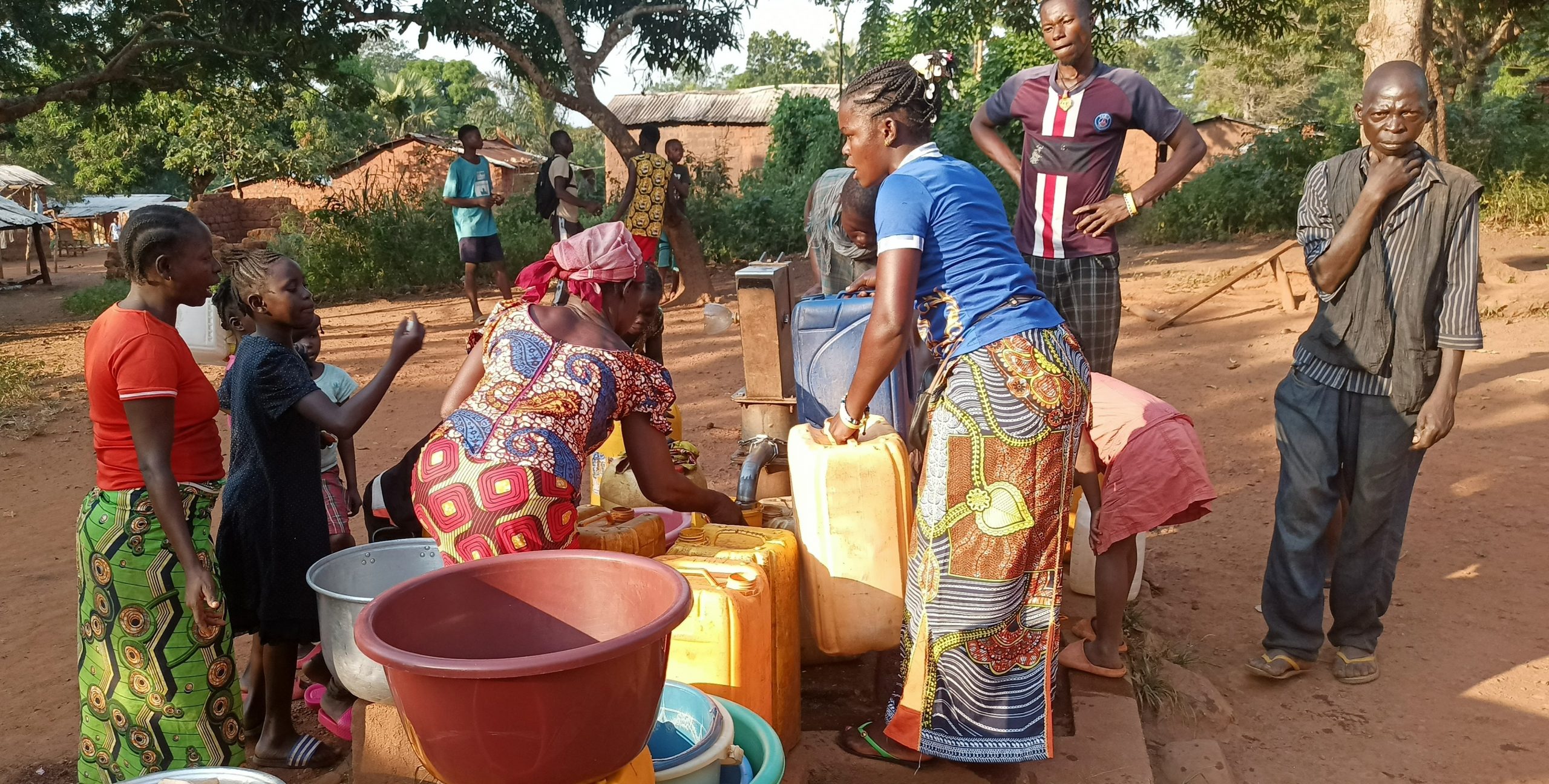
Gbadock Village is grappling with severe water scarcity, an issue profoundly affecting its residents located 5 kilometers from Bocaranga. The village is strategically situated on the axis of Bozoum within the Ouham-Pendé prefecture in Centrafrique. This particular geographical placement, while defining its location, also notes the inherent challenges faced by the community in accessing essential resources, particularly a consistent and safe water supply, given its rural setting and distance from larger urban centers. The struggle for potable water has become a daily reality for the inhabitants, showing a critical humanitarian concern in the region.
Water Crisis Deepens
More than 3,000 people reside in the locality of Gbadock, all of whom are directly impacted by the escalating water crisis. The widespread water crisis in the village has been severely exacerbated by the limited availability of reliable and sustainable water sources within close proximity. Residents currently face significant and arduous challenges in accessing clean drinking water, a fundamental human right, which in turn profoundly impacts their daily life, overall public health, and general well-being. The existing infrastructure, which includes what few wells or pumps might be present, is demonstrably insufficient to meet the burgeoning demands of the growing population, leading to chronic shortages. This acute scarcity forces many villagers, particularly women and children, to travel considerable distances on foot to find water, often from unregulated or unhygienic sources such as rivers or shallow, unprotected wells. The reliance on such precarious sources not only consumes valuable time and energy but also significantly increases the risk of waterborne diseases. The situation raises serious concerns for the health and well-being of the entire community, noting the urgent and pressing need for sustainable and long-term solutions to provide adequate and safe water access for all inhabitants.
Health and Daily Life Impact
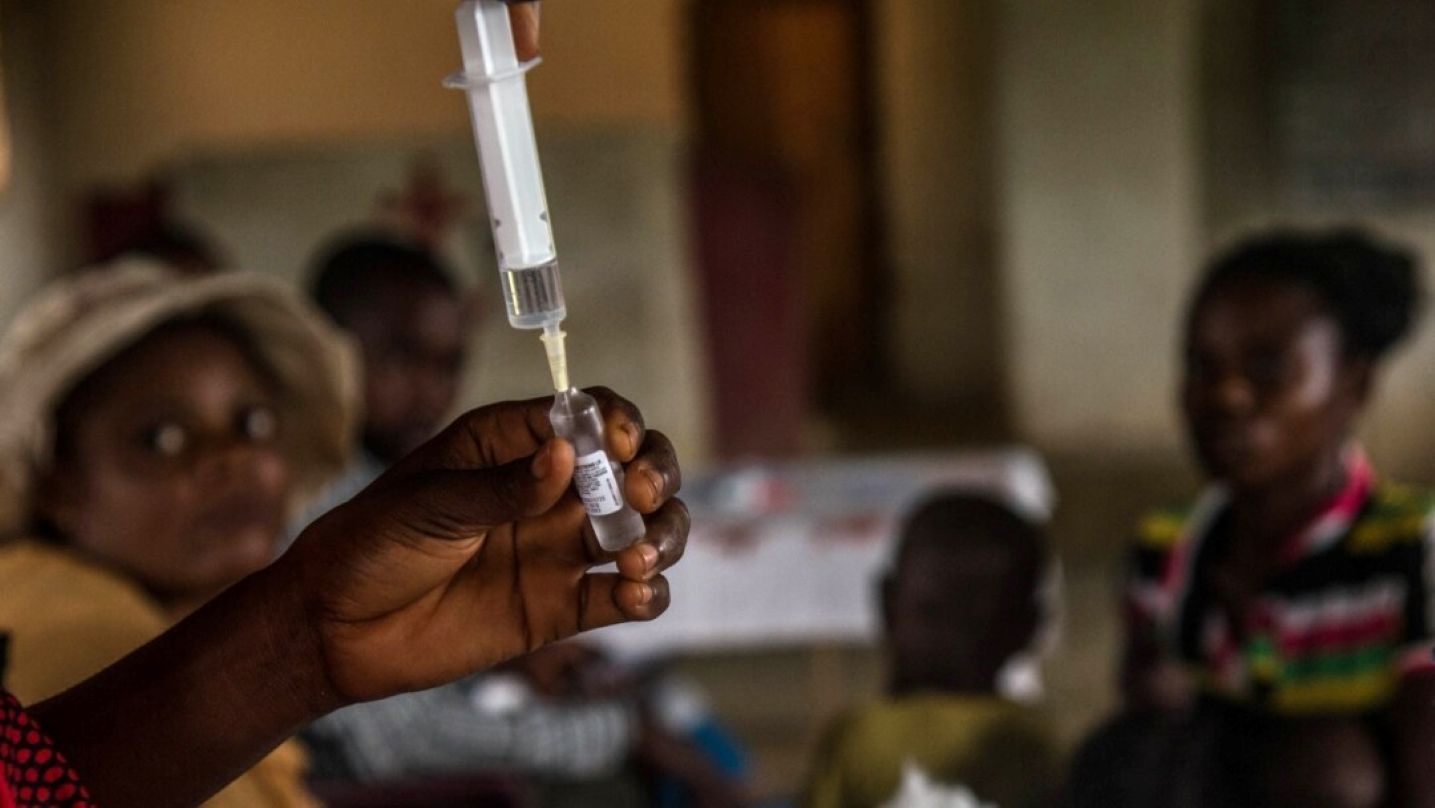
The persistent water shortage in Gbadock is reportedly causing serious health problems and profoundly affecting the daily lives of the population in multiple ways. Residents are experiencing difficulties across various aspects of their daily routines due to the critical lack of accessible water, which permeates every facet of communal and individual existence. This widespread scarcity directly impacts essential hygiene practices, making simple acts like handwashing or bathing a luxury, and complicates food preparation, threatening nutritional security. It compromises the overall sanitation of homes, public spaces, and community facilities within the village, creating an environment ripe for disease transmission. The health risks associated with inadequate water access are substantial and include an increased prevalence of debilitating waterborne diseases such as cholera, typhoid, and dysentery, as well as skin infections and other ailments stemming from poor sanitation and hygiene. The daily need to travel long distances to fetch water also consumes a significant amount of time and physical energy, particularly for women and children, who traditionally bear the primary responsibility for water collection. This arduous task diverts them from other essential activities such as education, economic pursuits, and community development, perpetuating a cycle of poverty and vulnerability. The persistent struggle to secure sufficient water sources further exacerbates existing vulnerabilities within the community, hindering progress and development.
Urgent Calls for Aid
Amidst these dire circumstances, voices are increasingly calling for an urgent solution to the severe water shortage in Gbadock Village. The persistent lack of access to clean and safe drinking water has prompted widespread appeals for immediate intervention to alleviate the escalating humanitarian crisis affecting the community's more than 3,000 residents. These heartfelt calls emphasize the critical need for the development and implementation of sustainable infrastructure and the allocation of sufficient resources to address the long-standing water deficits that have plagued the village for years. The challenging situation in Gbadock, located 5 kilometers from Bocaranga on the axis of Bozoum, starkly notes the ongoing difficulties faced by many rural communities across Centrafrique in securing basic necessities for survival and well-being. Addressing the severe water scarcity is considered absolutely key for improving public health outcomes, enhancing sanitation standards, and ultimately fostering the overall well-being and development of the village's population. The appeals stress that rapid and decisive action is required to prevent further deterioration of living conditions and to provide a lasting and equitable resolution to the critical water supply issues that threaten the very fabric of life in Gbadock.