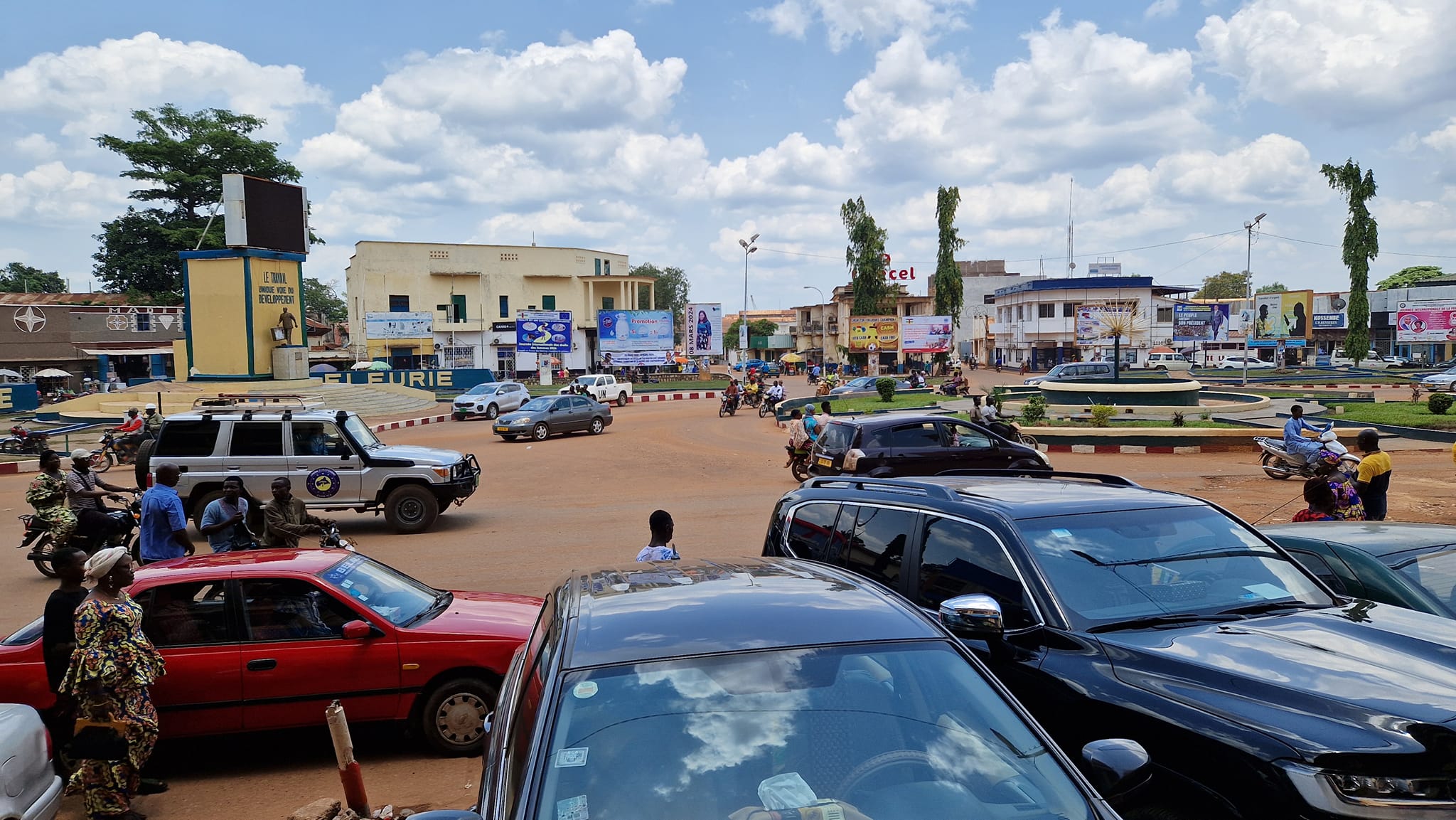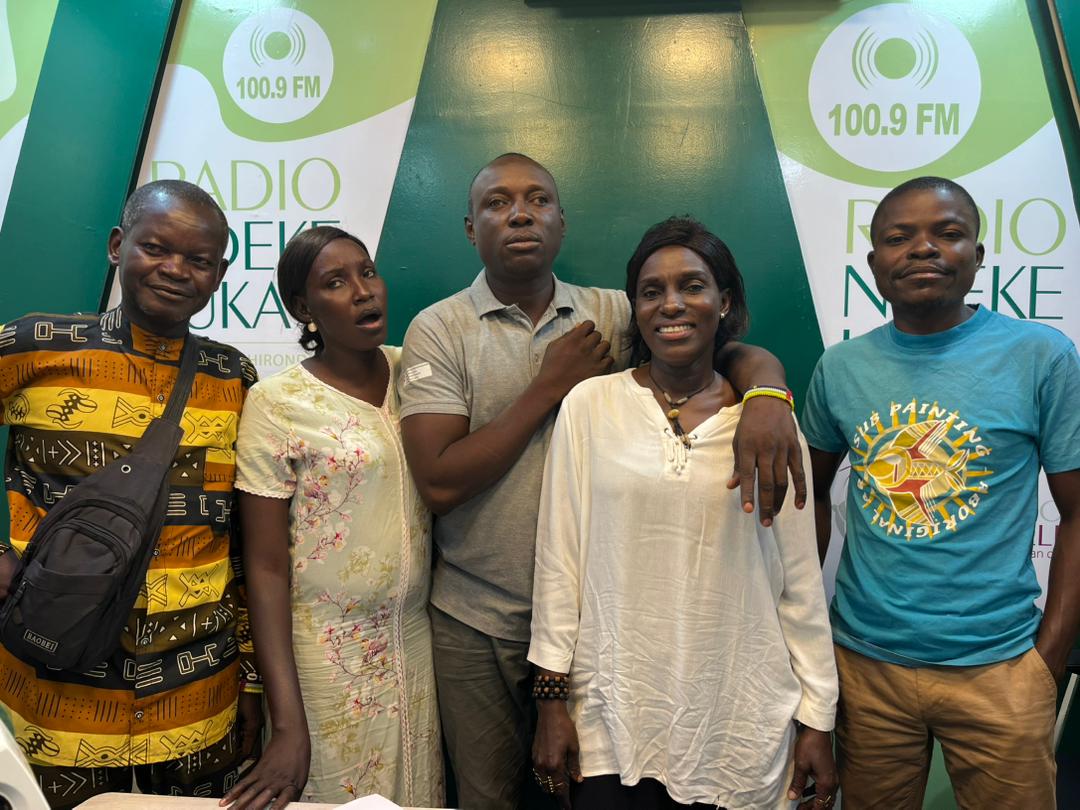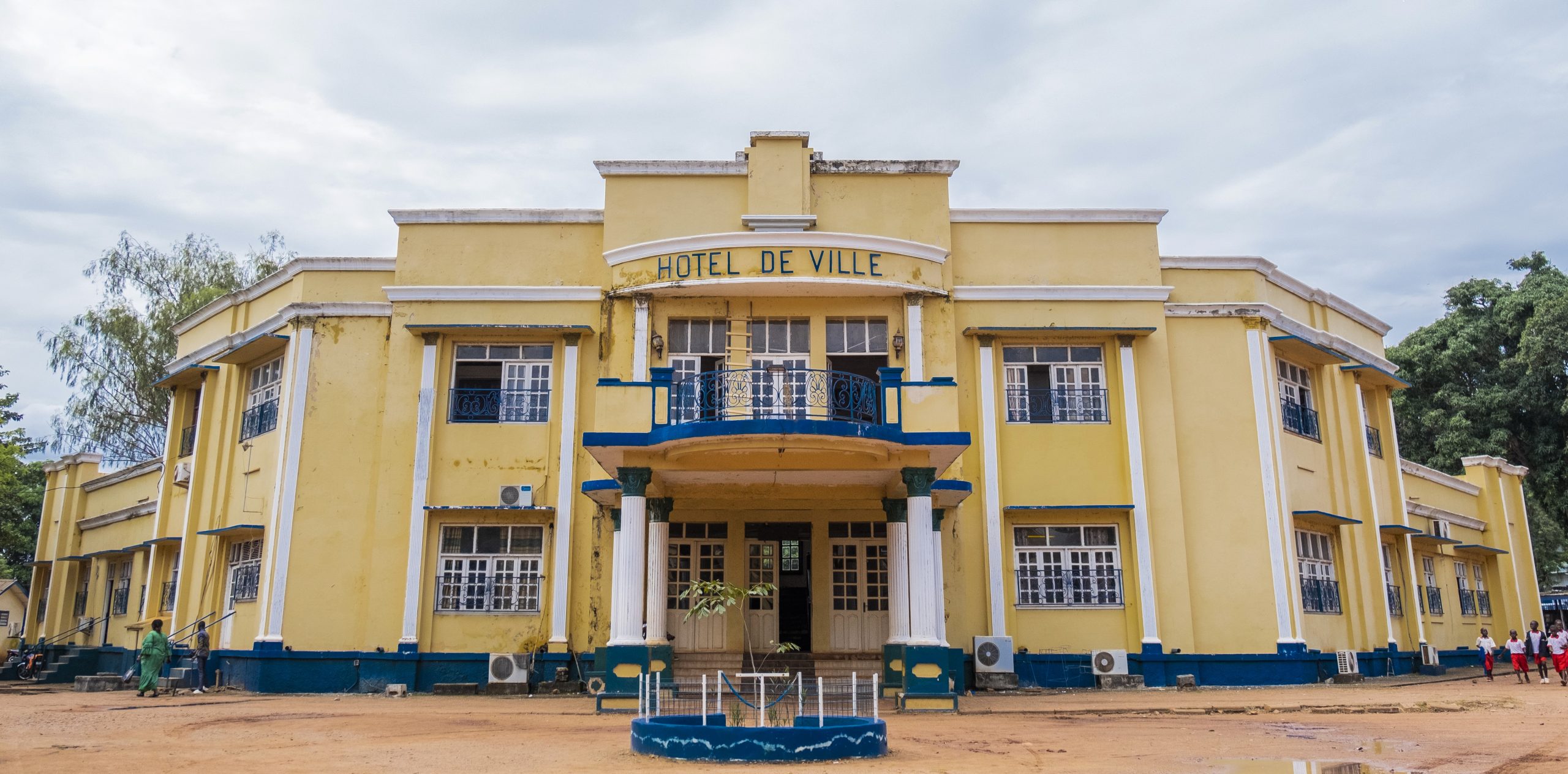
More than 60 municipal councilors are scheduled to elect the mayor of Bangui on June 17. The upcoming election will determine the successor to Émile Gros-Raymond Nakombo, who previously held the mayoral office. The electoral process, which calls upon these more than 60 municipal councilors to elect the city's new leader, is a significant event for the capital, as it will shape the urban development and governance of Bangui for the coming term.
Profiles of the Contenders
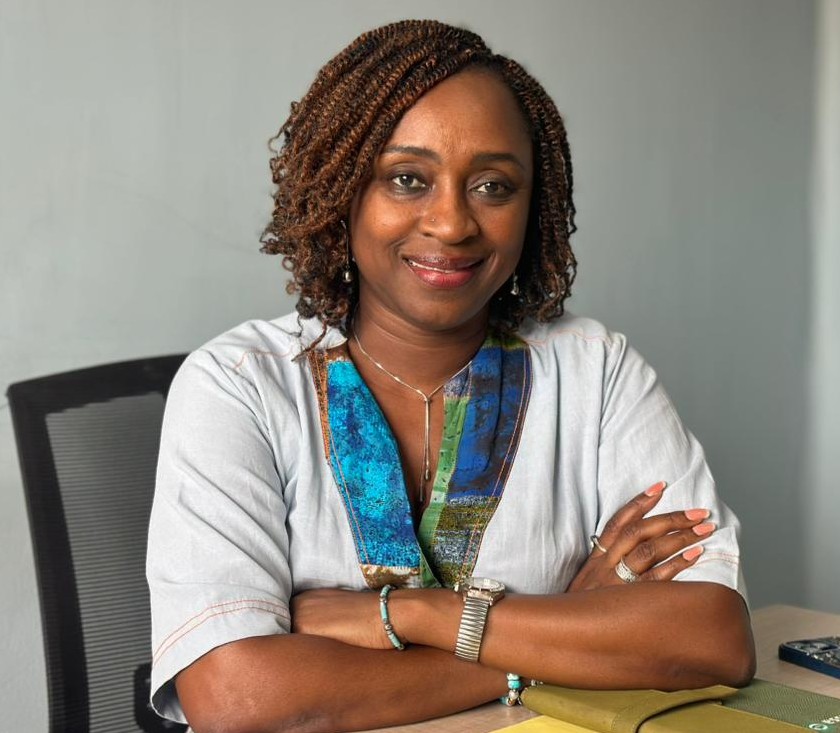
Adrienne Portia Deya-Abazène, an inspector of Customs, also serves as the president of the Federation of Women Entrepreneurs Associations of Central Africa (FAFECA). A specialist in financial risk management, Ms. Deya-Abazène is currently a customs receiver. Her professional background in customs and financial management provides a foundation for her proposed municipal reforms. She initiated the Salon de l’entrepreneuriat féminin (SANEF) in 2024, an event aimed at promoting and supporting women entrepreneurs within the region. Her mayoral program details 50 specific commitments for the city, reflecting a full approach to urban governance and development. For her initial 100 days in office, Ms. Deya-Abazène has pledged to conduct a financial audit of the municipality, aiming to ensure transparency and accountability in local finances. Additionally, she plans to launch the digital platform 'BanguiPay', which seeks to modernize municipal transactions and services. A key component of her early agenda is also the reform of the municipal police force, intended to enhance public safety and order within the capital.
Prisca Roseline Mano is the candidate endorsed by the Mouvement Cœurs Unis (MCU), the ruling party. Ms. Mano holds a degree in business management and directs two companies with expertise in modern works and transit services, showcasing her experience in both infrastructure and logistics. Her proposed project for Bangui is structured around ten priority commitments, providing a focused agenda for her potential administration. Key areas of focus within her platform include sanitation, aiming to improve public health and environmental conditions across the city. Public hygiene is also a central pillar, with initiatives planned to ensure cleaner public spaces. She emphasizes improvements to urban road infrastructure, recognizing the importance of well-maintained transportation networks for the city's development and the daily lives of its residents. Ms. Mano’s platform seeks to enhance mobility within the city, addressing traffic flow and access for citizens. The digitalization of municipal services for greater efficiency is another significant priority, intending to streamline administrative processes and improve citizen access to local government functions.
Political Landscape
The election's outcome is largely anticipated to favor elected officials aligned with the ruling party, given their dominant position within the municipal councils established during the December 28 elections. Most opposition parties opted to boycott these December 28 elections, which has significantly shaped the current political landscape and the composition of the electoral college. An exception was the party led by former Prime Minister Anicet Georges Dologuélé, which participated in the electoral process, securing some representation. This lack of broad opposition engagement in the council elections has contributed to the ruling power's strong representation in the municipal bodies that will now elect Bangui's next mayor, thereby increasing the likelihood of a candidate supported by the ruling power succeeding.
Election Day Procedures
The election of Bangui's next mayor is set to unfold through an indirect vote by the municipal councilors. On June 17, these councilors will convene to cast their ballots, determining who will lead the city for the upcoming term. The electoral process for the mayoral position requires a candidate to secure an absolute majority of the votes from the 60 municipal councilors. This means a candidate must receive at least 31 votes to be declared the winner in the first round. If no candidate achieves this absolute majority in the initial round, a second round of voting will be held. In such a scenario, only the two candidates who drew the highest number of votes in the first round will proceed to the runoff. The candidate with the simple majority in the second round will then be declared the winner, ensuring a definitive outcome. Mr. Bruno Yapandé, the municipal councilor for the 2nd district of Bangui, has been designated to preside over this specific electoral session. His role involves overseeing the proceedings to ensure a smooth and fair election, adhering to established electoral protocols.