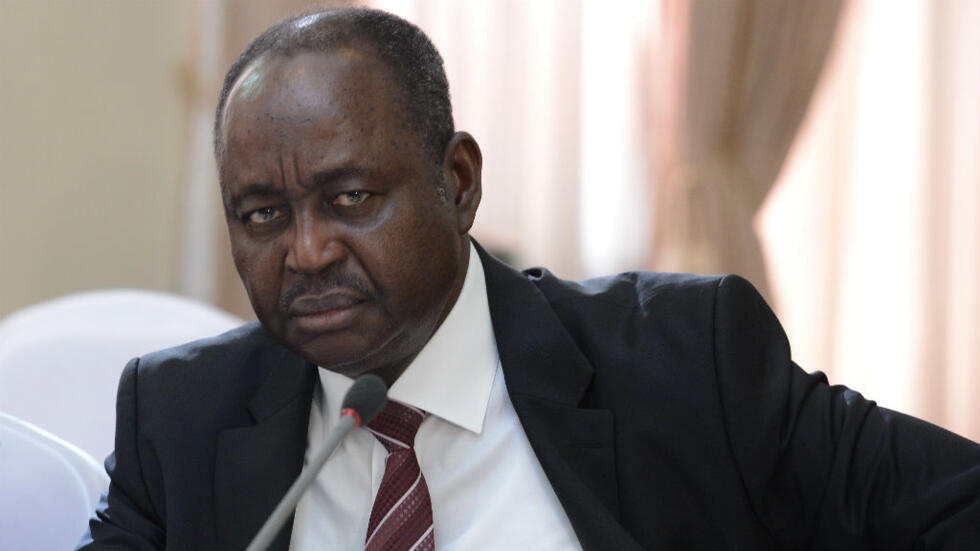
The Special Criminal Court (CPS) opened a trial on June 16th in Bangui, Centrafrique, concerning former Central African President François Bozizé. Mr. Bozizé and several co-accused face prosecution for crimes against humanity in the "Bossembélé" case. The proceedings mark a significant step for the court, which is investigating serious international crimes committed in the country. This trial represents a landmark moment for the Special Criminal Court, as it is the first time a former head of state in Centrafrique is being tried for such grave offenses. The court's decision to proceed with this high-profile case shows its commitment to addressing impunity for serious violations of human rights and international humanitarian law within the Central African Republic.
Charges and Accusations Detailed
Mr. Bozizé and his co-accused face charges related to abuses allegedly committed between 2009 and 2013. The Special Criminal Court's indictment specifies charges including murder, enforced disappearances, acts of torture, rape, and various other inhumane treatments. These grave actions are attributed to elements of Mr. Bozizé's presidential guard and other security services operating during that period. The legal proceedings aim to establish responsibility for these alleged human rights violations. The prosecution alleges that Mr. Bozizé, as the then-President and commander-in-chief, either directly participated in, ordered, or failed to prevent these atrocities. The "Bossembélé" case focuses on specific incidents that occurred during this four-year period, which saw significant unrest and violence across parts of the country. The detailed charges reflect the court's thorough investigation into the widespread and systemic nature of the alleged abuses. The court's mandate is to ensure that those responsible for the most serious crimes are held accountable, regardless of their former position or influence.
Trial in Absentia for Exiled Leader
François Bozizé, who is 79 years old, will face trial in absentia. The former Central African President has been residing in exile in Guinée-Bissau since March 2023. His absence from the proceedings means the court will move forward without his physical presence, a common practice in cases involving individuals who are no longer within the jurisdiction of the prosecuting country. This development allows the legal process to continue despite Mr. Bozizé's current location outside Centrafrique, ensuring the allegations against him can be formally addressed by the Special Criminal Court. The decision to try Mr. Bozizé in absentia was made after all legal avenues to secure his physical presence were exhausted. Despite his absence, the court is expected to conduct a full and fair trial, presenting all available evidence from both the prosecution and the defense, which will be represented by legal counsel. This approach ensures that justice can be pursued even when accused individuals are unwilling or unable to appear in court.
Context of the Special Criminal Court
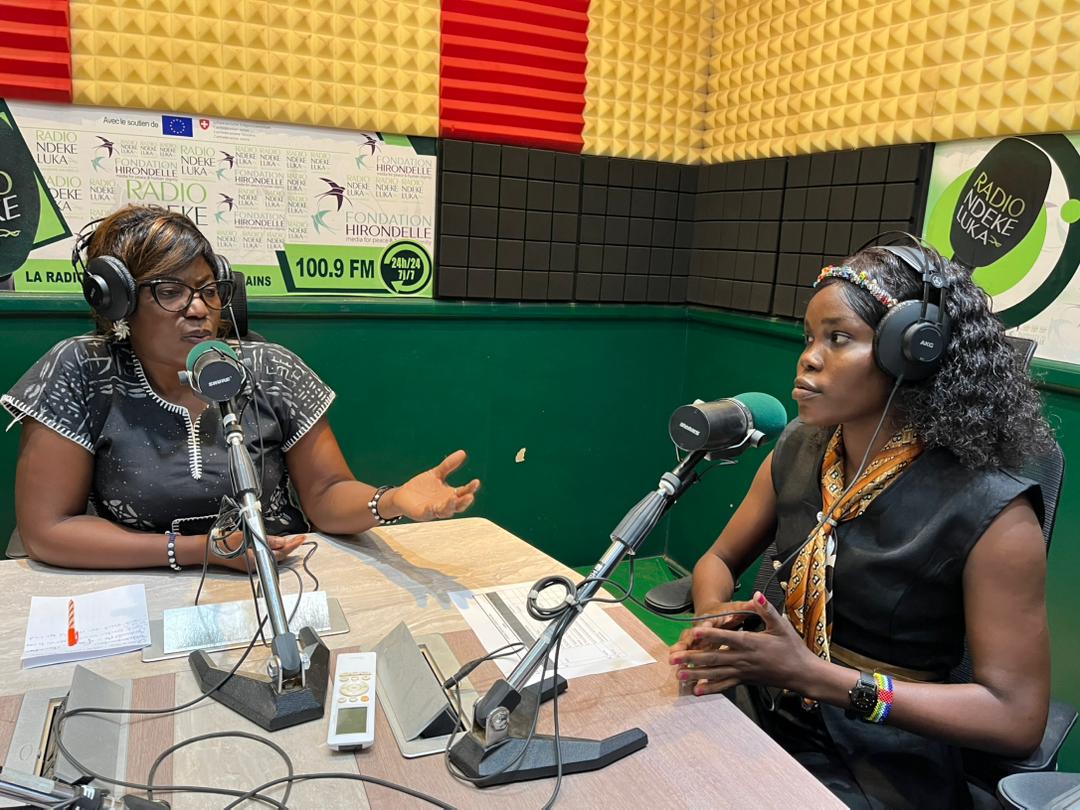
The Special Criminal Court (CPS), established in Bangui, Centrafrique, operates with international support to investigate and prosecute serious violations of human rights and international humanitarian law. The court receives funding and assistance from several international partners. These include the Fondation Hirondelle, the Direction du développement et de la coopération (DDC), the Confédération Suisse, and the Union Européenne. The court's proceedings are also covered by local media, such as Radio Ndeke Luka. The CPS was created to address the impunity for atrocities committed in Centrafrique, bringing to justice individuals responsible for crimes such as those alleged against François Bozizé. Its mixed composition, featuring both national and international judges, aims to ensure impartiality and adherence to international legal standards in its pursuit of accountability. The establishment of the CPS in 2015, following years of conflict and widespread human rights abuses, was a direct response to the urgent need for accountability in the Central African Republic. Its unique hybrid structure combines the expertise of both national and international legal professionals, fostering local ownership while upholding global best practices in international criminal justice. This structure is intended to build domestic legal capacity and ensure that judgments are perceived as legitimate both domestically and internationally. The court's ongoing work is key for fostering reconciliation and establishing the rule of law in a country that has endured significant periods of instability.