A "ville morte," or ghost town operation, is scheduled to take place in the Central African Republic on Monday, October 12, 2026. This significant event aims to bring key urban centers to a standstill, reflecting a form of civil protest. However, the Coordination des organisations syndicales pour la consolidation des acquis sociaux (COSCAS), a prominent labor organization, has unequivocally condemned this initiative. COSCAS has issued a clear directive, calling on workers across the nation to go about their business freely and without interruption on the designated day. This stark divergence in viewpoints indicates a deep division within the Central African Republic regarding the planned action and its potential impact. The conflicting messages from influential groups show the complex socio-political landscape surrounding the upcoming "ville morte."
Organizers and Purpose
The "ville morte" initiative has been formally called by two distinct civil society organizations: l’Observatoire de la gouvernance et du développement citoyen (OGDC) and the platform I GWÉ. These two groups are the primary architects behind the planned operation, which specifically aims to bring the capital city, Bangui, to a complete standstill on the designated date. The call for a "ville morte" is a well-known tactic typically involving a widespread appeal for residents to remain in their homes and for all businesses, public and private, to close their doors. The ultimate goal is to effectively create a ghost town, thereby serving as a potent form of protest or demonstration against perceived grievances or policies. This full report details the emerging divisions and contrasting perspectives surrounding the planned event, noting the differing expectations for its outcome. The article covering this planned action and the various reactions to it was authored by Symphorien Ludovic Malékatcha.
Conflicting Reactions Emerge
In a significant development, the Plateforme des partis politiques centristes (PPPC) has publicly voiced its strong support for the planned "ville morte" operation. This political platform has taken a firm stance, actively urging the population to observe the call for the shutdown, thereby aligning itself with the civil society organizations behind the initiative. This position from the PPPC stands in direct contrast with the stance previously taken by the Coordination des organisations syndicales pour la consolidation des acquis sociaux (COSCAS). As noted earlier, COSCAS had explicitly condemned the initiative and, conversely, encouraged workers to continue their professional activities without disruption. The differing responses from these influential groups—a political platform and a major trade union coordination—highlight the growing divisions within the Central African Republic regarding the scheduled event. The "ville morte" is specifically set to occur on Monday, October 12, 2026, with the explicit aim of bringing the capital, Bangui, to a complete standstill as a form of widespread protest. The contrasting calls from these organizations present a clear choice to the citizens of Bangui and the wider Central African Republic.
Context and Location
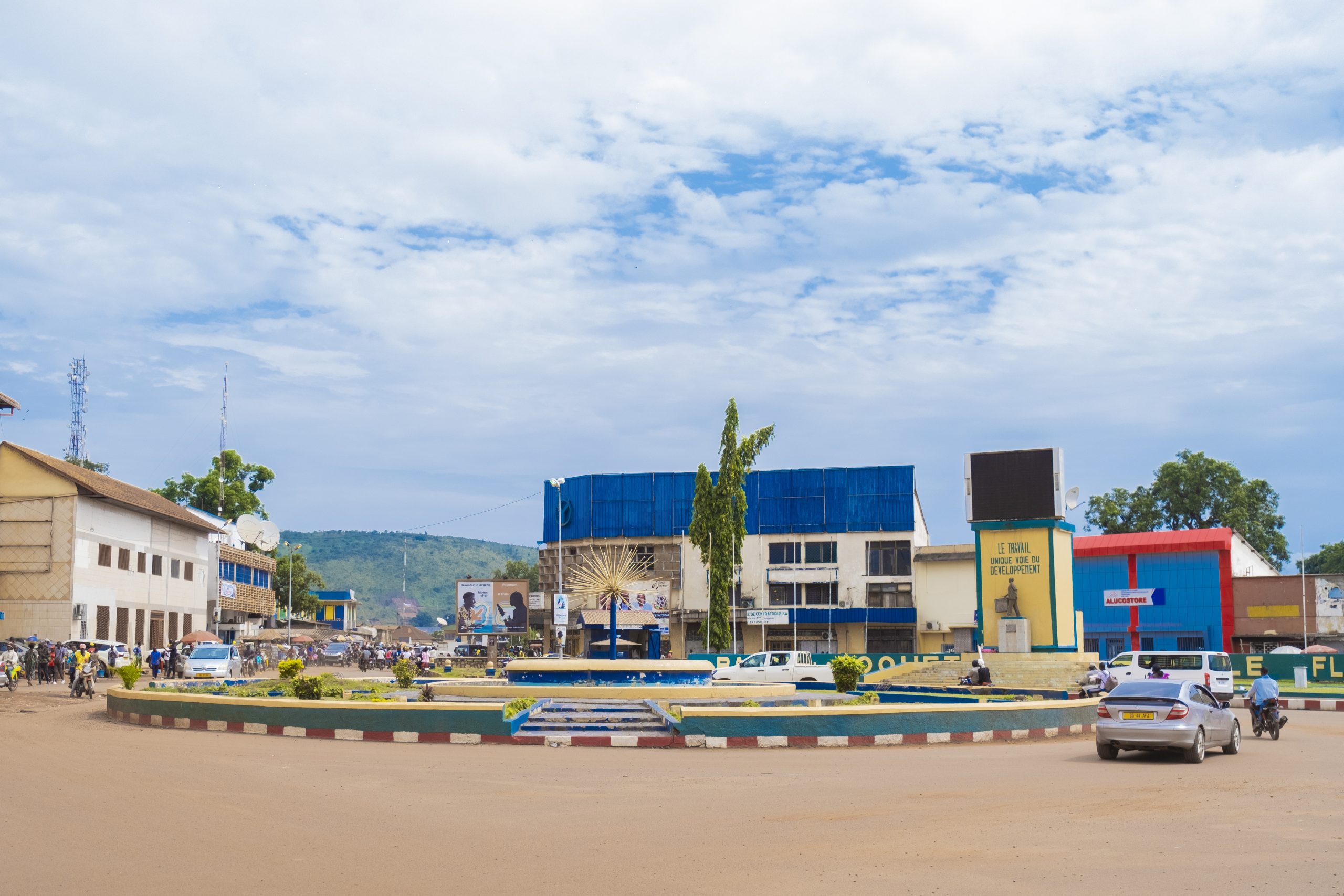
The planned "ville morte" operation is centrally focused on Bangui, which serves as the capital city of the Central African Republic. Visual representations associated with the event, such as promotional materials or informational graphics, specifically depict the city center, focusing on the iconic Point Zéro. This location is not merely a geographic point but a prominent and recognizable landmark within Bangui, often serving as a central gathering place or a symbol of the city's heart. The initiative's primary objective is to halt activities across the entirety of the city, with a particular emphasis on its central areas and extending outwards to encompass the urban landscape. The profound division among various groups regarding the proposed shutdown notes the markedly differing perspectives on the intended impact and the overall purpose of such a significant action within Bangui's complex urban environment. The choice of Bangui, and particularly Point Zéro, as the focal point shows the organizers' intent to maximize visibility and impact through the scheduled "ville morte."