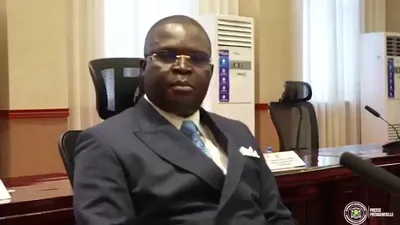
Évariste Ngamana, the Central African Republic's Minister of State in charge of Communication and Media and government spokesperson, recently discussed the nation's financial state on radio Ndékè Luka. Ngamana, known as the "Sorcier de Carnot," addressed what has been described as a "crise budgétaire majeure," indicating a significant budgetary crisis. The discussion comes amidst concerns about a looming "banqueroute," or bankruptcy, for the country, noting the severe financial challenges facing the Central African Republic.
Evasive Financial Outlook
When pressed on the critical state of the Central African Republic's finances, Évariste Ngamana, Minister of State in charge of Communication and Media, did not present specific economic figures, dashboards, or a detailed recovery plan. This absence of concrete data or a clear strategic roadmap has fueled public and media scrutiny regarding the government's approach to the burgeoning financial difficulties. Instead, Ngamana attributed the nation's empty state coffers to international factors, including the conflict in Ukraine and ongoing turmoil in the Middle East. He also mentioned vague government seminars discussing domestic revenue mobilization, fighting corruption, and reducing state spending as potential avenues for improvement, though without detailing specific actions or timelines. These general mentions did little to assuage concerns about the immediate and long-term financial stability of the nation.
Faith Over Fiscal Plans
Évariste Ngamana, the Central African Republic's Minister of State in charge of Communication and Media, addressed the nation's financial challenges by stating that "God is in it" and that solutions would emerge under the President's leadership. This declaration came during a radio interview on Ndékè Luka, where Mr. Ngamana was discussing the country's budgetary crisis. This statement, made by the government's official spokesperson, has drawn considerable attention and criticism regarding the administration's strategy for economic recovery.
The news outlet Corbeau News Centrafrique characterized the government's stance as "gestion par la foi," or management by faith, and an "esquive," implying an evasion of concrete financial strategies. The criticism suggests a lack of detailed economic plans or specific measures to address the country's financial difficulties, opting instead for a reliance on non-secular intervention and presidential leadership. This approach has raised questions about the government's preparedness to tackle the complex economic issues at hand with tangible, actionable policies. The perceived absence of a strong economic plan has only intensified the concerns among the populace and observers regarding the country's financial future.
Impending Austerity and Public Demands
A severe austerity is looming for the Central African Republic, according to reports. The population maintains expectations for consistent salaries and government investments in public services. This comes as the country faces significant financial challenges, making the fulfillment of these basic expectations increasingly difficult. The looming austerity measures are anticipated to impact various sectors, potentially leading to further strain on public services and the livelihoods of citizens. Public media outlets are experiencing a "mort lente des médias publics par manque d’équipements," or slow death due to a lack of equipment, leading to social demands from journalists who are struggling to perform their duties effectively. This situation in public media notes a broader issue of underfunding across essential government functions, further exacerbating the "crise budgétaire majeure" and the risk of "banqueroute" that the nation is currently grappling with. The government's reliance on faith-based solutions rather than detailed economic strategies has left many concerned about the practical implications for the country's stability and the well-being of its citizens.