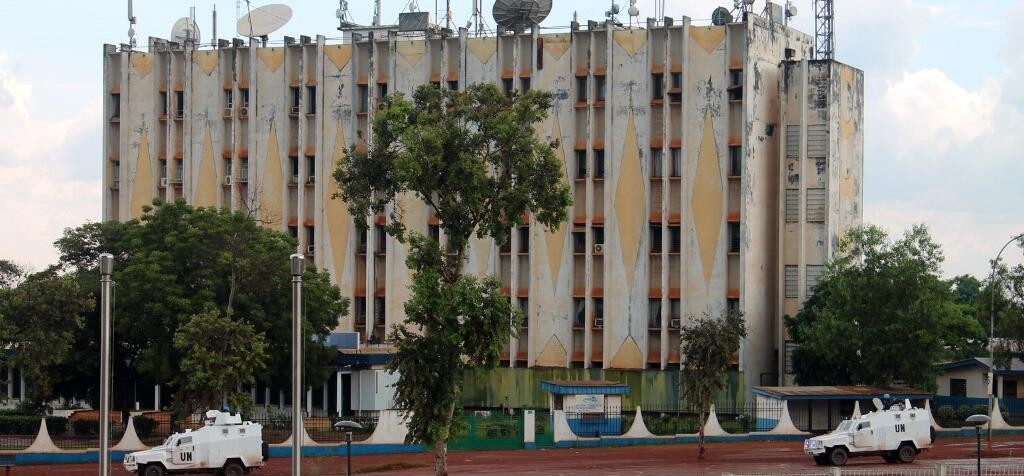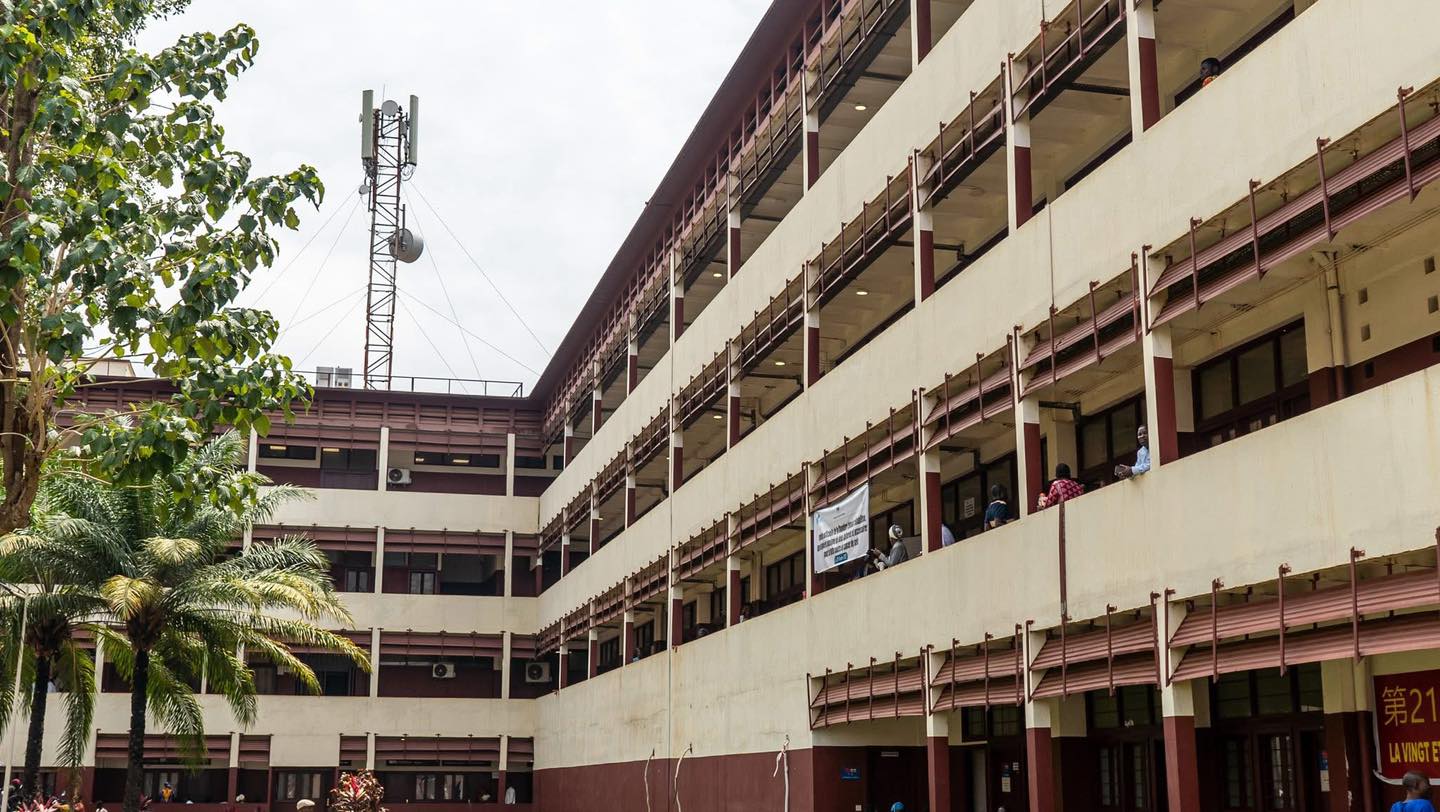
More than 100 days after the establishment of the first government of the 7th Republic, the health sector in the Central African Republic (Centrafrique) continues to face numerous difficulties. The challenges persist despite the new administration, noting ongoing struggles within the nation's healthcare infrastructure and service delivery. This situation shows the persistent hurdles in providing adequate health services across the country, impacting citizens from the capital to remote provincial areas.
Persistent Challenges Unmet
Several Central Africans continue to express concerns regarding the availability of essential medical supplies, the shortage of healthcare personnel, and the elevated expenses associated with medical consultations. Indeed, many citizens still lament the lack of medication, insufficient healthcare staff, and the high cost of consultations, which together create significant barriers to care. These persistent issues show the ongoing difficulties faced by the population in accessing adequate health services across the country. The challenges remain despite recent government efforts aimed at improving the health sector. The lack of medication often forces patients to seek alternatives or go without necessary treatments, leading to worsening conditions and prolonged suffering. Meanwhile, understaffed facilities struggle to manage patient loads effectively, resulting in long wait times and diminished quality of care. High consultation fees further restrict access for many, particularly in economically vulnerable communities, pushing essential healthcare out of reach for a significant portion of the population.
Calls for Government Action
In early August, the organization MK Permanence Juridique et Médiation sent an open letter to the Minister of Health, urging the government to implement concrete measures aimed at strengthening health structures and improving patient care throughout the Central African Republic. The letter noted ongoing deficiencies in the healthcare system and called for immediate action to address these issues. This appeal comes amid continued public dissatisfaction with health services. Since the departure of Médecins sans frontières from the community hospital, the local population has consistently voiced complaints regarding the decline in available medical services and patient support. These concerns show the urgent need for governmental intervention to stabilize and enhance the nation's healthcare infrastructure, ensuring that essential services are accessible and reliable for all citizens.
Citizen and Expert Perspectives
In Bangui and various provincial towns across the Central African Republic, the populace faces significant challenges within the health sector. Serious concerns include the high cost of medical care, which often acts as a barrier to essential services for many citizens, forcing difficult choices between health and other basic needs. Maternal and neonatal deaths remain a pressing issue, noting deficiencies in obstetric and pediatric care and the urgent need for improved facilities and skilled personnel to safeguard the lives of mothers and infants. The healthcare system is hampered by insufficient medical equipment, limiting diagnostic and treatment capabilities and often preventing accurate and timely medical interventions. A persistent lack of essential medication further complicates patient care, forcing individuals to manage conditions without necessary pharmacological support, which can lead to severe health consequences. Compounding these issues is a chronic shortage of qualified healthcare personnel, straining existing facilities and impacting the quality of service delivery. These factors collectively show the ongoing difficulties in accessing adequate and effective healthcare throughout the country, making a strong and responsive health system a critical priority.
Broader Health System Issues
In several health facilities across the country, patients continue to face drug shortages and an insufficient number of staff. This situation contributes to ongoing difficulties in accessing adequate medical care. The scarcity of essential medicines often forces individuals to delay or forgo treatment, while understaffed facilities struggle to manage patient volumes, leading to burnout among healthcare workers and compromised patient safety. The cumulative effect of these challenges is a healthcare system under severe strain, with profound implications for public health and well-being across the Central African Republic.