The Central African Republic is grappling with an Mpox epidemic while facing the ongoing threat of an Ebola outbreak, leaving its population exposed to deadly viruses. Central Africans are vulnerable to infections that kill between 25% and 90% of cases, lacking an adequate safety net to protect them. The precarious health situation has prompted six neighboring countries to declare high alert for Ebola, fearing cross-border transmission and the potential for a wider regional health crisis.
Government's False Claims
The Central African Republic regime asserts it possesses "ready" treatment centers, ample vaccine stocks, and superior epidemiological surveillance capabilities. These claims are made even as the country faces significant public health challenges. However, the government faces accusations of misrepresenting the true state of its health infrastructure and its capacity to respond effectively to such outbreaks. Critics allege the regime is "lying about the state of health infrastructure," pointing to a lack of investment in laboratory reinforcement, insufficient training initiatives for medical personnel, and inadequate strategic stocks to combat ongoing epidemics. This perceived discrepancy between official statements and on-the-ground realities raises serious concerns about the regime's transparency and commitment to public health.
Deteriorating Health Infrastructure
The PK 24 treatment center, a facility intended for critical care in the event of an epidemic, is described as an "empty shell," reportedly lacking essential resources. This center is said to be equipped with obsolete equipment, an insufficient number of beds to handle a significant influx of patients, and a deficit of protective gear, diagnostic tests, and necessary support medication. The lack of proper equipment and supplies renders the facility largely ineffective for its intended purpose. Reports further indicate that healthcare workers dispatched to the front lines of epidemic response are often supplied with expired masks, compromising their safety and the efficacy of their work. Compounding these issues, these dedicated professionals also experience delays in receiving their salaries, which further demoralizes the workforce and undermines public health efforts.
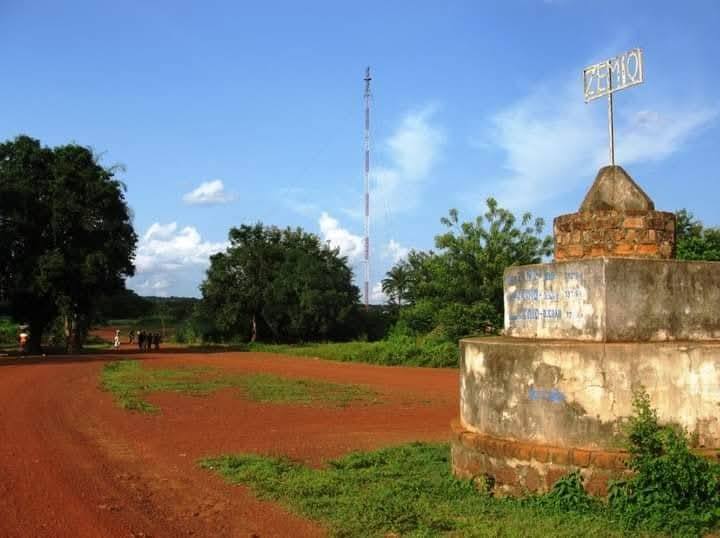
The Ebola vaccination campaign in the Central African Republic has been characterized as a "facade operation" by critics. They allege that only tens of thousands of doses have been allocated for the entire country, an amount deemed woefully insufficient to address the potential scale of an outbreak among a population of over 5.5 million people. There are troubling claims that the available vaccine doses are being prioritized for individuals close to the government, military personnel, and VIPs, rather than being distributed based on public health need. This alleged prioritization has left residents in high-risk border areas unfavorably impacted, increasing their vulnerability. Communities in Bangassou, Mbomou, and Mbaiki, along with those in the Eastern regions, are reportedly still awaiting access to vaccines, despite their increased exposure and susceptibility to cross-border transmission from neighboring countries where outbreaks may occur. This inequitable distribution pattern exacerbates the health risks for already vulnerable populations.
Underlying Risks and Priorities
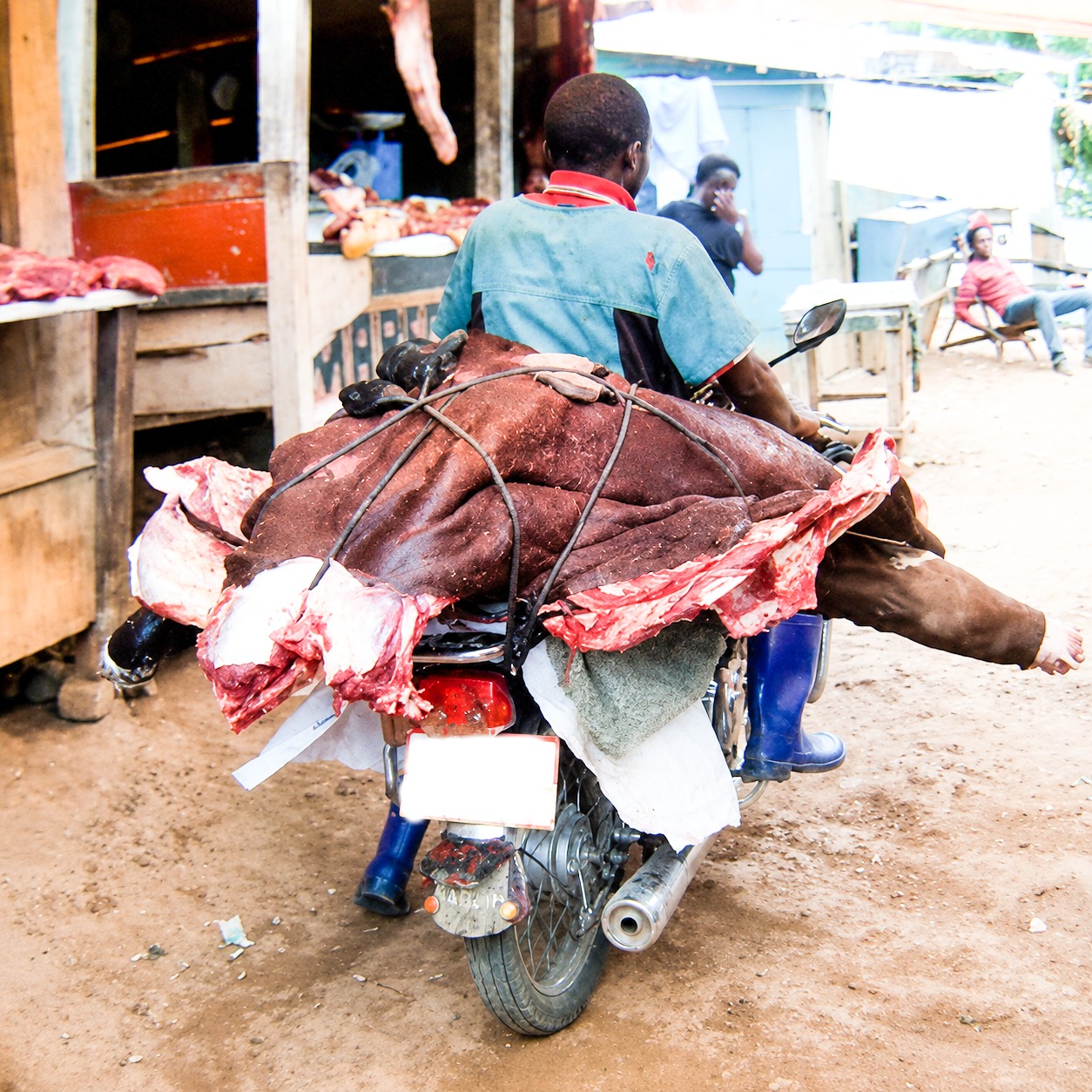
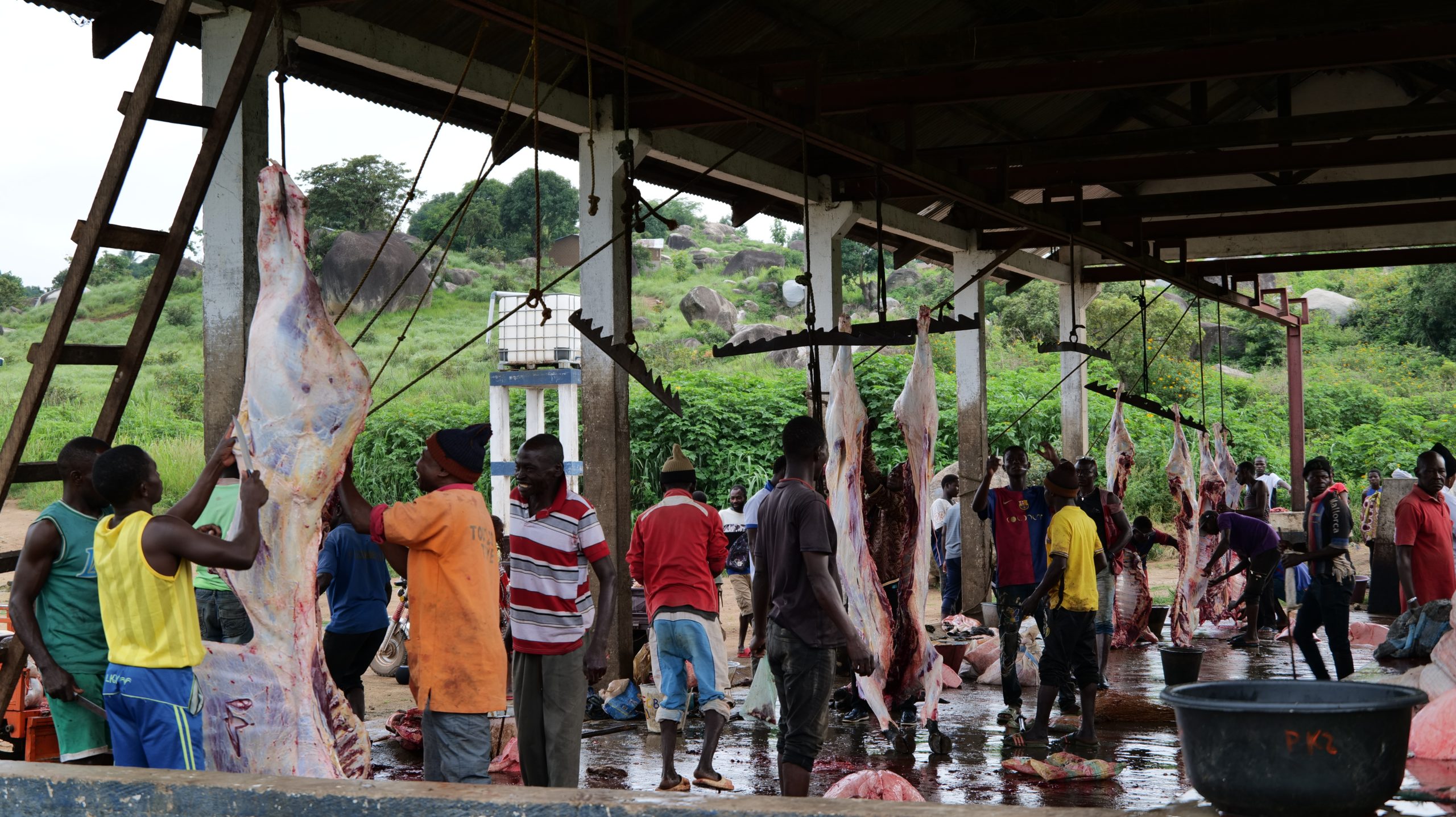
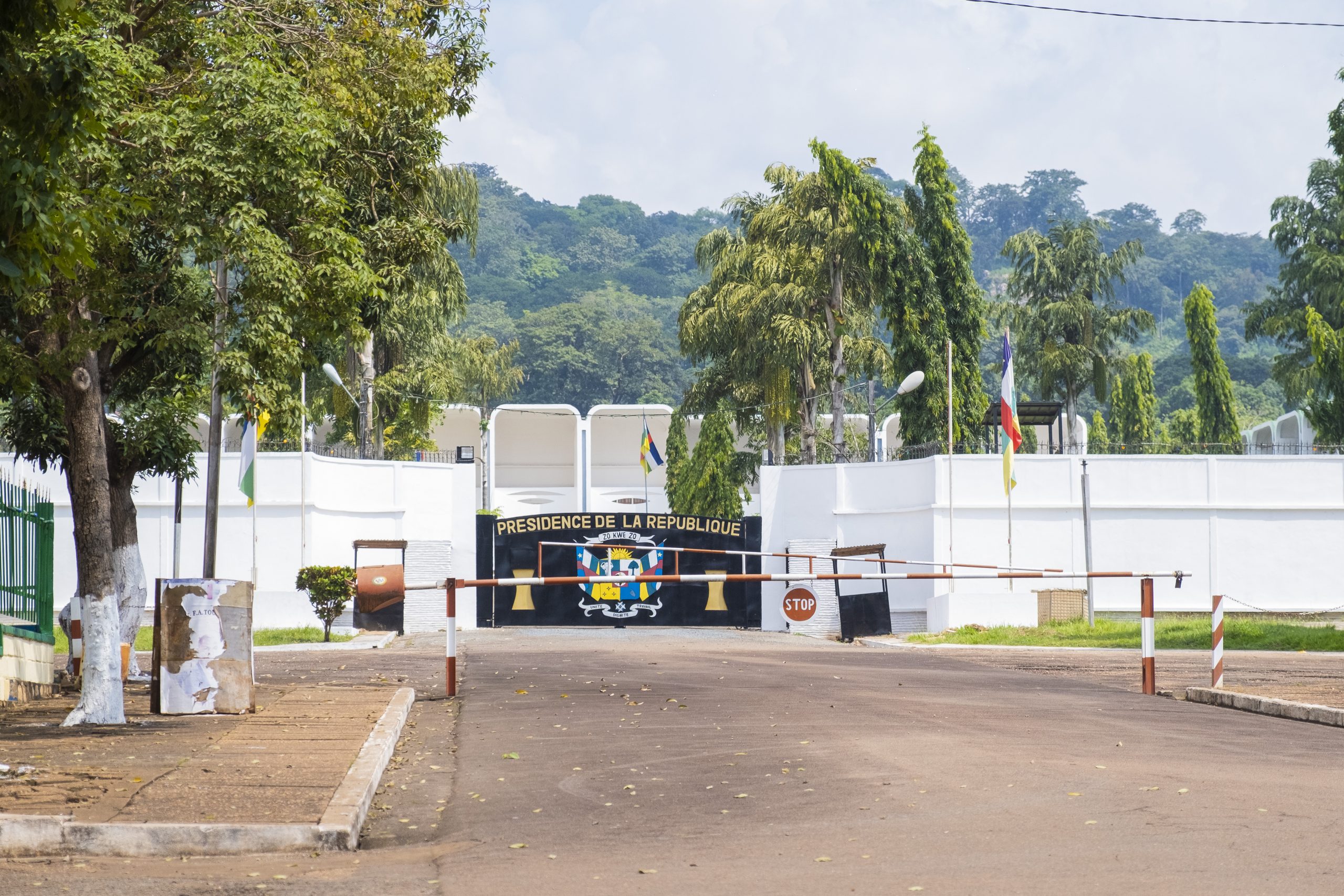
Borders across the Central African Republic reputedly remain open, allowing bushmeat to circulate without serious veterinary control. This unregulated trade poses a significant public health risk, as bushmeat can be a vector for zoonotic diseases. Bats, considered natural reservoirs for certain viruses, are reportedly hunted and consumed, further contributing to underlying health risks and the potential for new spillover events. Critics also accuse the regime of prioritizing its own interests over public health and the welfare of its citizens. President Touadéra and his entourage reportedly receive medical treatment abroad, funded by taxpayer money, while the country's health infrastructure remains severely under-resourced and its citizens lack basic healthcare access. These actions lead to accusations that the government is only protecting its own interests, neglecting the wider population's health needs amidst ongoing epidemics and the constant threat of new outbreaks. The diversion of public funds for private medical care abroad notes a stark contrast in priorities.
Broader Pattern of Neglect
The current health crisis in the Central African Republic is described as a continuation of previous patterns, with similar issues emerging in the responses to both Mpox and Ebola. Critics of the government contend that the same scenario of abandonment, corruption, and disinformation that has plagued past public health efforts is now repeating, further undermining effective epidemic control. This alleged pattern suggests a systemic failure within the country’s health management, indicating a deep-seated problem rather than isolated incidents. The regime is specifically accused of only protecting its own interests, perpetuating a cycle where the general population's health is consistently overlooked in favor of political and personal agendas. This consistent lack of effective governance in public health matters leaves the Central African Republic perpetually vulnerable to preventable disease outbreaks.