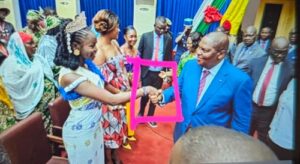
Simplice Mathieu Sarandji, campaign director for Faustin Archange Touadéra, pledged in March 2016 to end the cult of personality, forced praise songs, and mandatory dances in the Central African Republic. This commitment was made as Touadéra assumed leadership, with Sarandji explicitly promising a departure from such practices. However, the article asserts that leaders in the Central African Republic are now imposing their presence through noise and image, rather than through tangible results for the populace. This approach, the article suggests, prioritizes visible displays of power and adoration over substantive improvements to the lives of citizens. The promises made by Touadéra's campaign director in 2016 aimed to usher in an era free from the coercive public displays of allegiance that had characterized previous administrations.
Broken Promises and Shifting Allegiances
Within two months of the 2016 pledges made by President Faustin Archange Touadéra's campaign director, Simplice Mathieu Sarandji, the article claims that previous practices resurfaced, with children reportedly acclaiming the president under the sun. This rapid return to old ways of doing things, despite earlier assurances, notes a perceived disconnect between official commitments and on-the-ground realities. The article also claims that "money sale," or dirty money, has been observed circulating in the shadow of the palace offices in the Central African Republic. This alleged illicit financial activity further complicates the political landscape and raises questions about transparency and governance within the country. The re-emergence of these practices, such as forced public acclamations, directly contradicts the initial promises of an end to the cult of personality and mandatory displays of support.
The Cult of Personality's Grip
The article claims that the cult of personality surrounding the current leadership in the Central African Republic is stronger than ever. This phenomenon, it states, surpasses the levels observed under previous presidents, and even exceeds some aspects of the cult of personality that surrounded former Emperor Jean-Bédel Bokassa. The widespread nature of this personality cult suggests a significant shift from the pledges made by Simplice Mathieu Sarandji, President Faustin Archange Touadéra's campaign director, in March 2016 to end such practices. The article indicates that despite promises to move away from forced praise songs and mandatory public displays of adulation, these elements have not only persisted but have intensified under the present administration. The comparison to Bokassa, a figure known for his extravagant self-aggrandizement, shows the perceived severity and depth of the current personality cult, suggesting a systemic entrenchment of leader worship within the nation's political culture.
Neglected Nation, Amplified Image
The Central African Republic continues to face significant developmental challenges, according to the article, which asserts the country lacks proper infrastructure. Despite an apparent focus on amplifying the leader's image, the article claims there is an absence of adequate roads and hospitals across the nation. This situation persists even as the narrative surrounding the head of state gains prominence. The article states that real progress for the population remains elusive, contrasting with the visible emphasis on the leader's public persona. The scarcity of essential services like well-maintained roads and functional hospitals points to a critical gap between the government's priorities and the basic needs of its citizens. The article emphasizes that while the leader's image is carefully cultivated and amplified, the tangible benefits and improvements for the general populace are notably absent, noting a disparity in focus and resource allocation.
A Kingdom Built on Propaganda
The article claims the presence of Russian mercenaries in the Central African Republic has intensified the existing situation and bolstered the proliferation of propaganda. This development has reportedly contributed to the current environment, according to the article. The involvement of these external actors is depicted as exacerbating the nation's challenges and further entrenching the narrative favored by the current leadership. The strengthening of propaganda, facilitated by these foreign elements, contributes to the imposition of the leader's presence through noise and image, rather than through concrete achievements. The article suggests that this influx of external support for propaganda efforts has created an environment where the perceived reality is heavily shaped by controlled messaging, potentially overshadowing the urgent need for genuine development and progress within the Central African Republic.