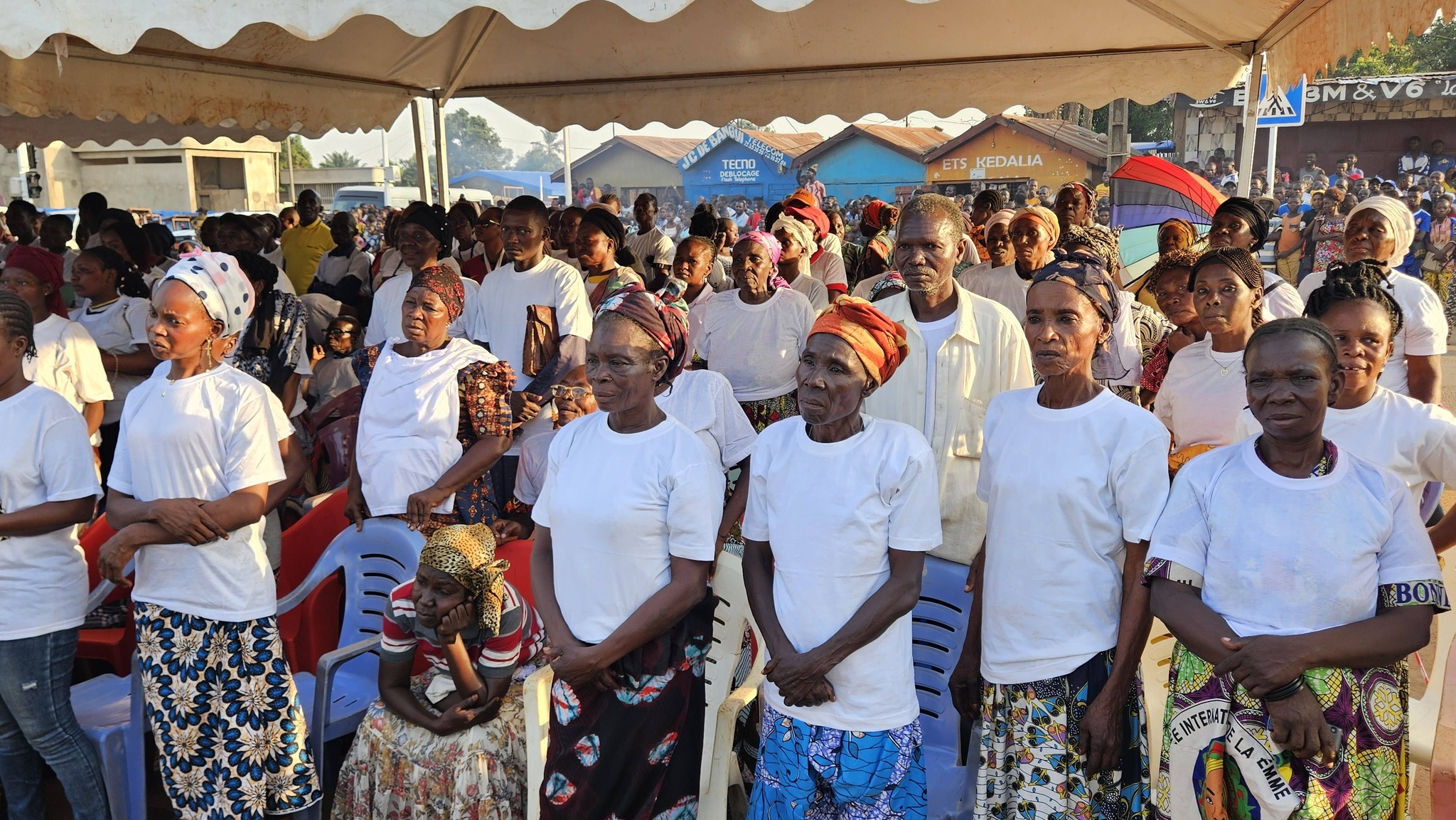
The Central African Republic's National Day of Victims of Armed Conflicts, typically observed on May 11, has been postponed until May 20. The annual commemoration honors those affected by the country's armed conflicts. The deferral was announced as the nation continues to address the ongoing needs of victims and integrate justice progress. This year's observance holds particular significance as the country navigates complex demands for both accountability and material support for those who have suffered. The decision to reschedule the event allows for further coordination and emphasis on these critical issues.
Commemoration and Calls for Justice
The National Day of Victims of Armed Conflicts was established during the Bangui Forum in 2015. The creation of this day aimed to honor the thousands of victims affected by the various crises that have impacted the République centrafricaine. The annual observance provides a moment to acknowledge the suffering and losses endured by communities across the country. Its establishment underlined a commitment to remembering those impacted by conflict and integrating their experiences into the national consciousness. By dedicating a specific day, the Bangui Forum sought to formalize a process of recognition and remembrance for individuals and families who have experienced profound trauma and displacement. This day serves as a focal point for ongoing discussions about justice and reparations for survivors. The commemoration notes the government's recognition of the profound human cost of prolonged instability within the nation. The postponement to May 20 ensures that these important discussions can take place with the necessary focus and participation.
Victims' Dual Demands
Despite progress in the justice system, victims in the Central African Republic are voicing a dual set of expectations regarding their experiences. Some victims have expressed satisfaction with the work currently being done by the justice system, indicating that judicial processes are addressing certain aspects of their needs. This acknowledgment suggests that efforts to investigate crimes and hold perpetrators accountable are yielding positive results for some affected individuals and communities. The work of the justice system is seen by these victims as a key step towards upholding the rule of law and providing a measure of closure. This positive feedback shows the importance of continued judicial reforms and support for legal institutions in the country.
However, a broader demand for reparations remains a significant concern for victims. While satisfied with judicial actions, many survivors are simultaneously calling for tangible reparations to address the losses and suffering they have endured. This demand notes the need for full measures that go beyond punitive justice to include material and symbolic remedies for those affected by conflict. Victims are demanding reparations that can help rebuild lives, compensate for damages, and acknowledge the profound impact of violence on individuals and families. This call for reparations reflects a desire for restorative justice that addresses both the legal and socio-economic consequences of conflict.
Context of Past Conflicts
The Central African Republic, officially known as the République centrafricaine, has experienced numerous periods of instability and armed conflict. These conflicts have often involved various armed groups vying for control, resulting in widespread violence, displacement, and human rights abuses. The capital city, Bangui, has frequently been a focal point of these power struggles and their humanitarian consequences. The nation's history since its independence has been marked by political upheavals and civil unrest, which have profoundly impacted its population. These prolonged periods of conflict have left a lasting legacy of trauma and destruction across the country. The ongoing efforts to address the aftermath of these events include judicial processes aimed at accountability and broader appeals for reparations from victims. The establishment of the National Day of Victims of Armed Conflicts in 2015, following the Bangui Forum, was a direct response to the urgent need for national healing and recognition of these widespread traumas. The continued focus on victims' rights and reparations is central to the country's long-term stability and reconciliation efforts.