Ten years after the onset of its crisis, the Central African Republic (RCA) is reportedly still grappling with fundamental issues of survival, according to ongoing assessments. Indeed, a decade on, the nation continues to be engaged in debates surrounding basic survival issues rather than focusing on advanced development. The nation continues to face significant challenges, with discussions frequently centered on essential needs and stability rather than development or long-term progress. This persistent state shows the difficulties in establishing a secure environment following a decade of upheaval. The situation in the Central African Republic remains a point of concern for regional observers and international organizations engaged in humanitarian and peacebuilding efforts. Efforts to address these enduring problems are ongoing, with a focus on immediate necessities for the population.
Stalled Aid and Unspent Funds
The African Development Bank (BAD) has maintained a low disbursement rate for funds allocated to the Central African Republic (RCA), with only 28% of the budget having been utilized. This low level of utilization notes a significant bottleneck in financial aid reaching its intended beneficiaries. This leaves a significant portion, 72%, of the allocated funds unspent. The BAD is reportedly declining to release these unspent millions of dollars to the RCA, a decision that further complicates the nation's efforts to address its pressing needs. The refusal by the African Development Bank to disburse these funds has raised questions about the mechanisms and conditions surrounding international aid to the Central African Republic.
President's Plea for Basic Needs
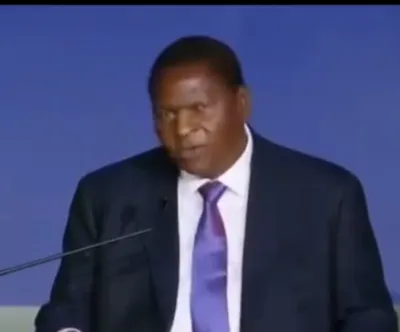
Central African Republic President Faustin-Archange Touadéra recently requested individual solar kits for citizens during a summit of the African Development Bank (BAD). His appeal, made in Brazzaville, noted a preference for straightforward solutions over larger infrastructure initiatives. President Touadéra specifically asked for these kits to be distributed to households, contrasting this need with the BAD's proposed large-scale energy projects, such as the M300 program. This request showed the immediate and basic needs of the population for access to electricity. The President's focus on individual solar solutions indicated a desire to directly address the lack of essential services for ordinary citizens, rather than pursuing more complex, long-term development strategies that might not yield immediate benefits at the household level. This direct appeal for fundamental provisions reflects the urgent priorities facing the nation.
Rwanda's Path to Progress
The article contrasts the Central African Republic's ongoing challenges with Rwanda's journey, presenting Rwanda as a model of development and modernity. Following a major tragedy, Rwanda has reportedly demonstrated a trajectory of recovery and progress, establishing itself as an example for post-conflict nations. This comparison notes differing paths taken by countries emerging from significant crises, with Rwanda often cited for its ability to rebuild and advance socio-economically. The nation's experience is frequently referenced in discussions about resilience and effective governance in challenging environments. Rwanda's trajectory as a model of development and modernity after a major tragedy serves as a notable counterpoint to the RCA's protracted difficulties.
Lingering State of Emergency
The Central African Republic (RCA) continues to face a protracted state of emergency, characterized by persistent insecurity and the enduring presence of armed groups. While specific details on the duration or nature of this emergency are not provided, its existence shows the nation's ongoing struggle for stability. This situation reportedly affects daily life and hinders efforts toward recovery and development, contrasting sharply with regions that have moved beyond such declarations. The prolonged state of emergency reflects the difficulties in establishing full peace and security across the country, further exacerbating the challenges faced by its population. This widespread state of insecurity contributes significantly to the debates surrounding basic survival issues that continue to dominate the national discourse.