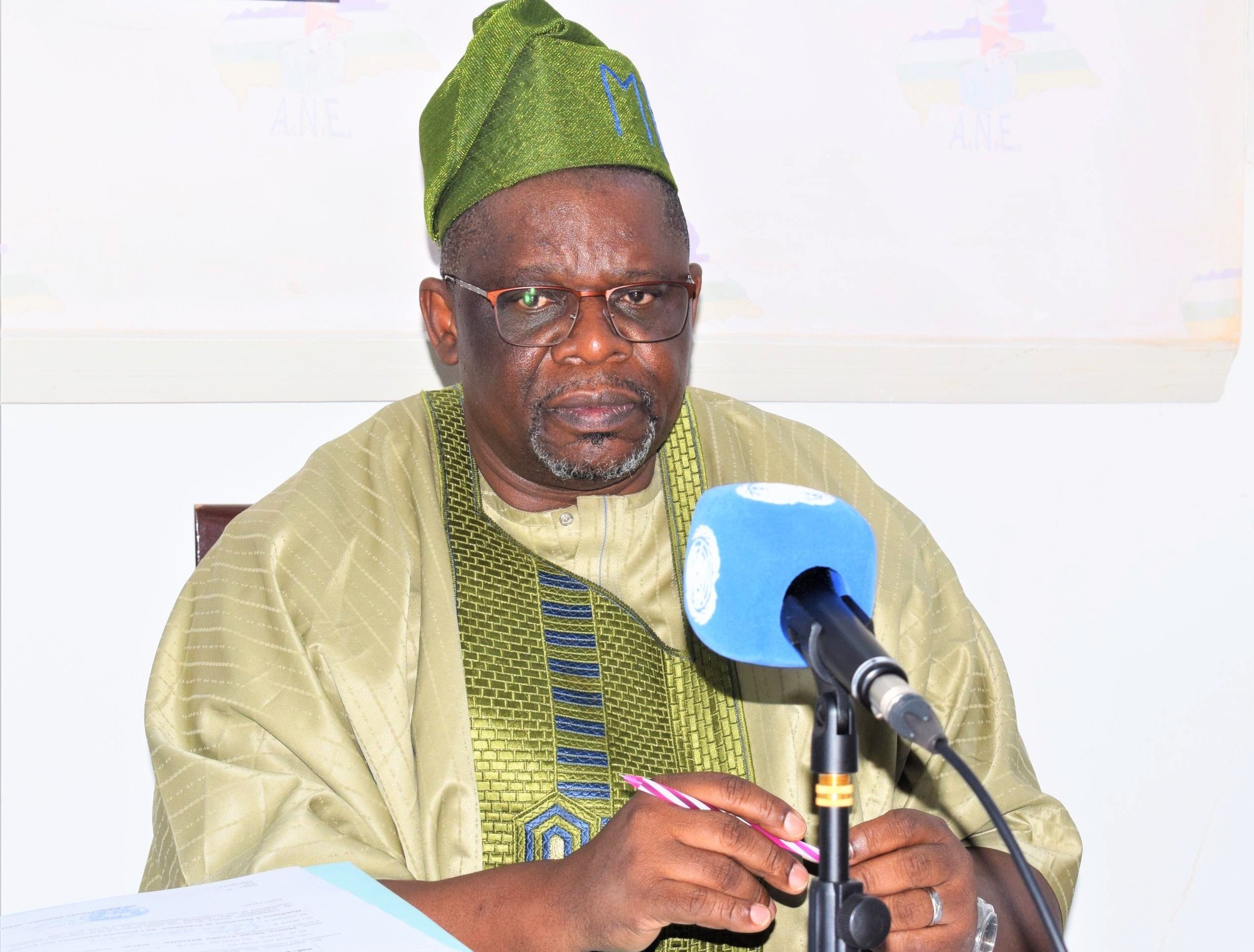
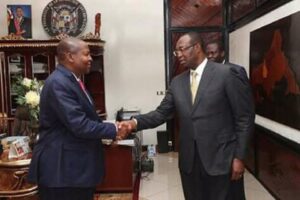
Maxime Balalou, a minister in the Central African Republic, reportedly uses national sovereignty as a defense when questioned about the nation's cooperation with Russia. Balalou stated this approach represents a "win-win partnership, diversification of partners, no exclusivity." He asserts that national sovereignty serves as a shield against external scrutiny regarding the nation's alignment with Moscow. Meanwhile, gold, diamonds, and timber from the Central African Republic are said to be leaving the country in significant quantities through channels that the regime tolerates or actively protects. These resources are part of a broader pattern of resource extraction tied to the pact between Russia and the Central African regime. This arrangement has raised considerable international concern regarding transparency and the equitable distribution of national wealth.
Opaque Resource Deals
Gold and diamond concessions in the Central African Republic are reportedly granted without public tender. This practice bypasses standard competitive processes, leading to questions about fairness and potential favoritism in the allocation of valuable national assets. Mining contracts are also signed in extreme opacity, according to reports, with details often withheld from public view. This lack of transparency extends to the financial aspects of these operations. Revenues generated from resource extraction subsequently disappear without passing through the Central African state's coffers. This significant financial leakage means that the state is deprived of key funds that could otherwise be invested in public services and development.
International reports document illegal resource exploitation and suspicious financial flows linked to allies of the regime. These transactions contribute to concerns regarding the transparency and accountability of natural resource management within the country. The lack of public tenders for concessions and the opaque nature of mining contracts raise questions about the fairness and legality of these agreements. The reported disappearance of revenues before reaching state coffers further implicates a system that may be diverting significant financial resources. These documented patterns of exploitation and financial flows are consistently noted in international assessments, showing systemic issues in the management of the nation's natural wealth. The absence of public oversight and accountability mechanisms appears to facilitate these questionable financial activities.
Human and Environmental Toll
Villages situated near mining sites reportedly controlled by allies of Russia in the Central African Republic are experiencing significant human and environmental impacts. Residents in these areas face forced evictions from their homes, contributing to internal displacement and disrupting traditional livelihoods. The operations also lead to environmental pollution, affecting local ecosystems and potentially impacting the health of communities through contaminated water sources and degraded land. Reports indicate that violence is also prevalent in these areas, exacerbating the challenges faced by the local populations and creating an atmosphere of fear and instability.
These issues are directly linked to the activities around these mining sites, raising concerns about the welfare of civilians and the ecological consequences of resource extraction under current conditions. The situation shows the broader implications of opaque resource deals on the ground, revealing a pattern where economic gains for some come at a severe cost to local communities and the environment. The lack of regulatory oversight and the reported involvement of regime allies in these operations further complicate efforts to address these humanitarian and ecological crises. The displacement, pollution, and violence collectively paint a grim picture for those living in resource-rich areas.
Regime's Defense and Russian Role
Maxime Balalou, a minister in the Central African Republic, credits Russia with playing a key role in preventing the country's fragmentation. He acknowledges that Russia played a key role when the country was on the verge of fragmentation, a claim often cited by the regime as justification for the close alliance. Balalou has described the relationship as a "partenariat gagnant-gagnant, diversification des partenaires, pas d’exclusivité" (win-win partnership, diversification of partners, no exclusivity). The Touadéra regime reportedly gains weapons and the necessary support to remain in power through this alliance, reinforcing its hold on authority.
Balalou also praises Russian companies for their fiscal contributions to the Central African Republic. However, he has not provided specific figures or verifiable amounts regarding these contributions, according to reports. This lack of verifiable data further contributes to the overall opacity surrounding the financial aspects of the partnership. This defense aligns with the regime's broader narrative concerning its strategic cooperation with Moscow, portraying it as a necessary and beneficial arrangement for national stability and development. The regime consistently frames the partnership as a sovereign choice, essential for the nation's security and future.
Strategic Gains and National Loss
Russia has reportedly gained strategic resources and a military base within Central Africa, according to reports detailing the nature of its involvement in the region. These benefits for Russia are juxtaposed with the Central African population, which observers state continues to lose its national wealth and remains entrenched in poverty. The extraction of valuable resources, coupled with the opaque financial dealings, means that the vast majority of the Central African people do not see the benefits of their nation's natural endowments. Instead, they remain mired in poverty, while the country's wealth is siphoned off through questionable channels.
The presence of Wagner forces in the Central African Republic is not a recent development. Reports indicate that these forces were active in the country between 2013 and 2015, a period during which their actions were described as "pure thuggery" by some sources. This historical context shows a sustained pattern of external military presence and resource extraction in the nation, noting a long-standing intricate relationship between foreign actors and the country's resource sector. The enduring influence of such groups raises ongoing concerns about human rights and the rule of law in the Central African Republic.