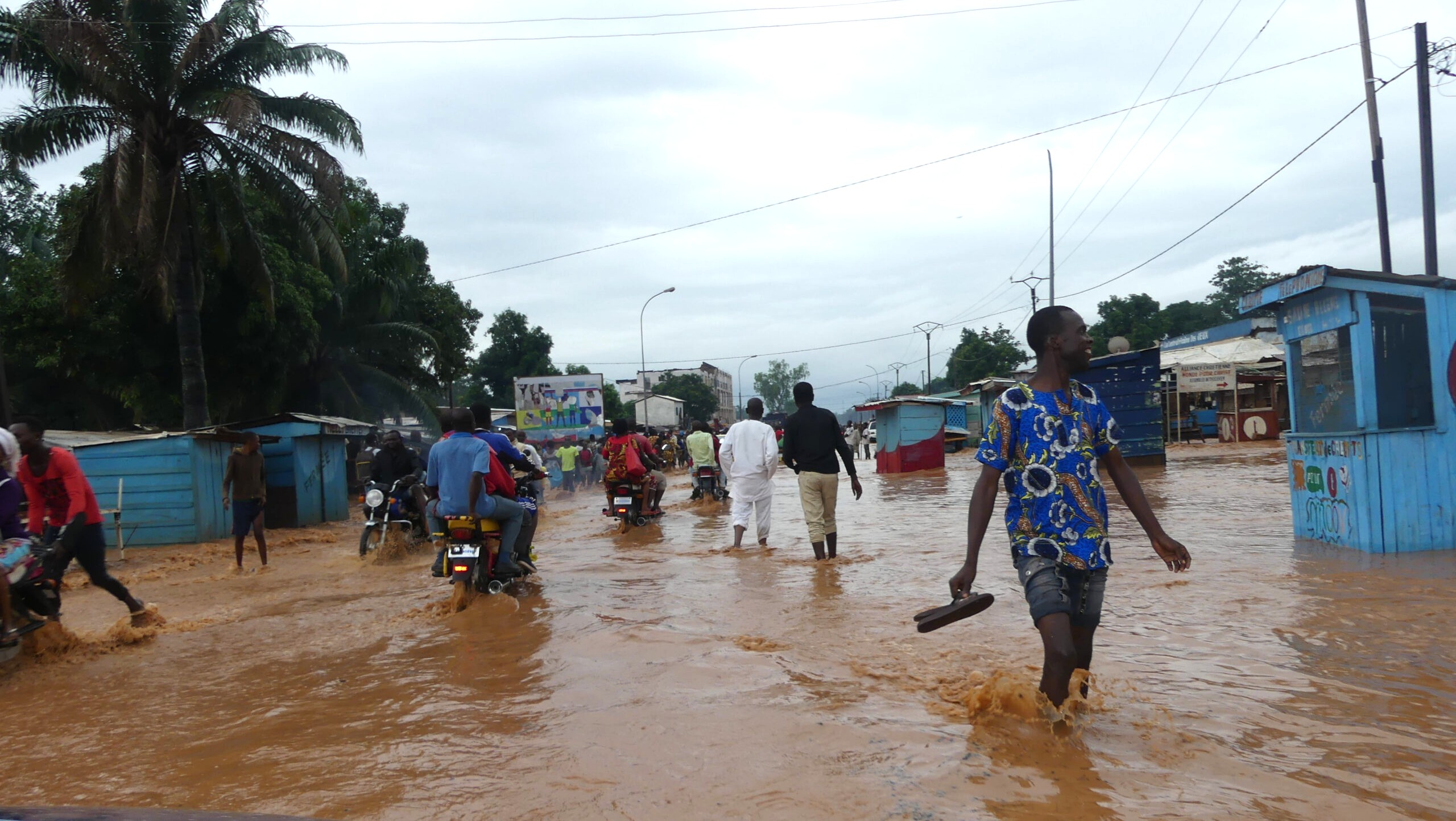
Bangui has recently experienced significant heavy rains and floods in recent weeks, impacting the city. These extreme weather events highlight the pressing challenges faced by the national meteorological service. The situation shows the difficulties in providing timely and accurate weather information, particularly as the region approaches the critical date of 13 juillet 2026. Reliable forecasts are absolutely essential for public safety, disaster preparedness, and critical infrastructure planning in Centrafrique. The recurrence of such severe weather patterns makes the need for a strong meteorological service even more urgent for the well-being of the population and the stability of various economic sectors.
Forecasting Challenges Detailed
The Central African meteorological service is struggling to provide daily weather forecasts, according to reports. The difficulties faced by the service are primarily attributed to a critical lack of essential equipment, a shortage of qualified personnel, and insufficient financial resources. These challenges are central to the article titled 'Dossier du jour: le manque de moyens adéquats compromet les prévisions météorologiques en cette saison pluvieuse', which details the profound impact on weather predictions during the current rainy season. The inability to issue regular, precise forecasts affects public awareness and significantly compromises preparedness for potentially devastating weather-related events. This deficiency in forecasting capability leaves communities vulnerable to sudden changes in weather, hindering their ability to take proactive measures.
Impact of Resource Shortages
The widespread lack of resources at the service de la météorologie centrafricaine significantly hinders its operational capabilities and overall effectiveness. Without adequate, modern equipment, the service struggles immensely to gather essential meteorological data, thereby impacting its ability to monitor complex weather patterns effectively across the entire region. This deficiency extends critically to staffing, as a severe shortage of qualified personnel further compromises the rigorous data analysis and interpretation required for accurate forecasting. Consequently, the service faces substantial and persistent challenges in issuing timely and accurate weather forecasts for Centrafrique. These limitations have direct and serious implications for public safety, as communities remain less informed about impending weather events, including heavy rains and potential floods. The situation also profoundly affects various critical sectors, such as agriculture, transportation, and disaster preparedness, all of which rely heavily on precise meteorological information for strategic planning and effective mitigation efforts. The absence of reliable data can lead to significant economic losses and endanger lives, making the resource shortfall a matter of national concern.
Service Director's Perspective
The director general of the Central African meteorological service, Rodrigue Lelong, has emphatically emphasized the critical need for improved infrastructure and increased staffing to bolster the nation's weather forecasting capabilities. Lelong's perspective sheds key light on the internal challenges faced by the service, which currently struggles with profoundly inadequate resources to provide full meteorological data to the public and key stakeholders. He noted that the lack of modern, functional equipment directly impedes the accurate collection and sophisticated analysis of complex weather patterns, which is fundamental for generating reliable predictions. Addressing these profound deficiencies, according to Lelong, is absolutely essential for ensuring public safety across Centrafrique and for robustly supporting vital sectors such as agriculture and disaster management that depend intrinsically on timely and precise weather information. The director's assessment shows the urgent requirement for substantial investment and full capacity building within the meteorological service to meet the growing demands of a changing climate and ensure the safety and prosperity of the nation.