The widespread effects of climate change, which profoundly modify agricultural activities across the globe, are the central focus of this insightful emission from the 'Magazine agropastoral' program. Published on June 4, 2026, the article meticulously examines the widespread and complex impact of changing climatic conditions on established agricultural practices. It details how these significant environmental shifts are not merely inconveniences but rather necessitate fundamental adjustments in farming methods and strategic resource management to ensure continued productivity and sustainability. The 'Magazine agropastoral' program is dedicated to informing its diverse audience about the critical issues currently affecting the agricultural sector, offering valuable insights into both the pressing challenges faced by farmers and the potential, innovative solutions available for stakeholders across the entire food production chain.
Climate's Growing Agricultural Threat
Climate change is demonstrably causing significant reductions in agricultural yields, a trend that directly impacts food security in numerous regions, particularly those already vulnerable. This decrease in productivity poses a substantial threat to global food supplies and local economies. Beyond diminished output, these environmental shifts are also forcing a relocation of traditional cultivation areas, as previously fertile lands become unsuitable for their historical crops. This displacement requires farmers to either adapt to entirely new environmental conditions, often in less optimal locations, or face the difficult decision to abandon existing land and livelihoods. The changing climate introduces an element of unpredictability, making long-term agricultural planning increasingly difficult for communities reliant on consistent harvests.
Expert Insights on Adaptation
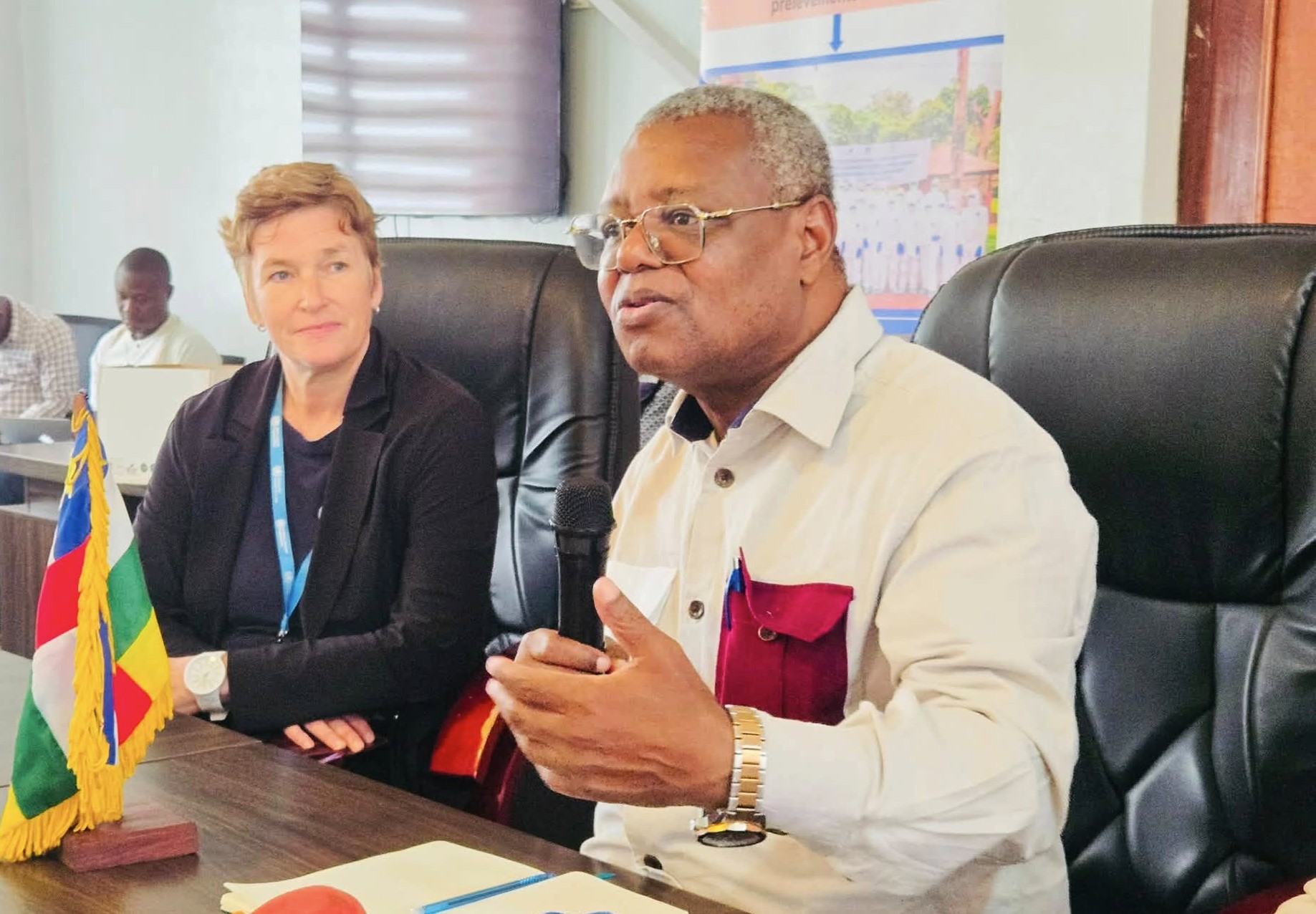
Felix Allah-Barem, the distinguished director general of the Office national des semences (ONASEM), served as a guest expert on the 'Magazine agropastoral' program to discuss practical strategies for agricultural adaptation. Mr. Allah-Barem's participation noted the critical and multifaceted role of organizations like ONASEM in addressing the escalating challenges posed by a rapidly changing climate in Centrafrique. His insights focused specifically on practical approaches farmers can adopt during the key planting season to mitigate inherent risks and enhance the overall resilience of their agricultural systems. ONASEM, as a vital national agency, is instrumental in the development, rigorous testing, and widespread distribution of improved seed varieties that are specifically bred to be better suited to evolving environmental conditions. This includes cultivating strains with increased drought resistance, enhanced tolerance to new pest patterns, and improved adaptability to fluctuating temperatures. The organization also plays a key role in educating farmers on best practices for sustainable agriculture, emphasizing techniques that conserve precious resources, protect vital soil health, and promote biodiversity. Mr. Allah-Barem's appearance showed the pressing need for collaborative efforts between governmental bodies, dedicated research institutions, and local farming communities to implement effective and sustainable adaptation measures. These measures are not just beneficial but absolutely key for ensuring long-term food security and sustaining livelihoods in regions heavily dependent on agriculture for survival and economic stability.
Navigating the Planting Season
Beyond yield reductions, climate change contributes significantly to the degradation of crop quality, impacting both the nutritional value and the market viability of agricultural produce. This environmental shift also leads to an alarming increase in diseases, posing additional and complex challenges for farmers, particularly during the vulnerable planting season. The proliferation of new and more virulent diseases can drastically reduce yields and necessitate more intensive, often costly, pest and disease management strategies, further complicating already intricate agricultural operations. These factors combine to create a challenging and complex environment for farmers, who must continually adapt their planting practices, crop choices, and management techniques to mitigate the significant risks associated with both declining crop quality and the rising prevalence of agricultural diseases. The ability to navigate these evolving threats effectively is critical for maintaining healthy crops and ensuring successful harvests.