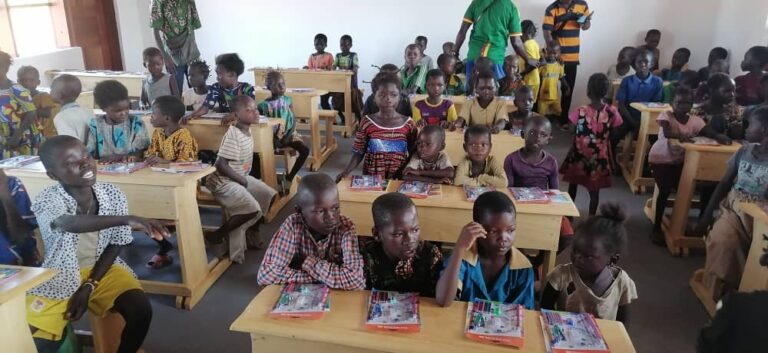
Contractual teachers participating in the Accelerated Education Project (PEA) in Kaga-Bandoro, Central African Republic, organized a protest march to voice their grievances. The demonstration, which took place on June 4, occurred in the capital of Nana-Gribizi prefecture, noting concerns regarding unpaid salary arrears. Teachers walked through the city, calling for the immediate payment of their outstanding wages and drawing attention to the severe financial hardship they face. This public display of discontent shows a growing frustration among educators who are vital to the region's educational infrastructure.
Teachers Demand Nine Months Pay
The protesting teachers are demanding the payment of nine months of salary arrears. This significant period of unpaid wages has severely impacted their financial stability and ability to provide for their families. The mobilization saw the participation of more than twenty teachers, who marched through the streets to highlight their financial grievances. These educators, operating under the Accelerated Education Project (PEA), have been vocal about the profound impact of the unpaid wages on their livelihoods and their capacity to continue teaching effectively. The demonstration in Kaga-Bandoro shows the persistent challenges faced by contractual teachers in the region, whose dedication to their profession is being tested by prolonged financial instability. The accumulation of nine months of unpaid salaries represents a substantial financial burden, forcing many to struggle with daily expenses and basic necessities.
Context of Kaga-Bandoro Protest
Kaga-Bandoro, the capital of Nana-Gribizi prefecture, serves as the focal point for the ongoing teachers' protest. The city is situated within the Nana-Gribizi region of the Central African Republic, a location where educational services are key for community development. Jean-Pierre Ngarassouma, a local resident, provided additional details concerning the event, confirming the demonstration by contractual teachers and emphasizing the local community's awareness of the educators' plight. The teachers' grievances center on unpaid salary arrears, which they claim have accumulated over nine months, creating an untenable situation for many. Their protest march through the city shows the financial challenges faced by educators operating under the Accelerated Education Project (PEA). The choice of Kaga-Bandoro as the protest location notes the regional impact of these outstanding payments on the local education system and its personnel, revealing a systemic issue that affects numerous individuals and families within the community. The presence of more than twenty teachers in the march signals a collective and organized effort to seek redress for their prolonged financial distress.
Details of the Mobilization
The protest, organized by contractual teachers under the Accelerated Education Project (PEA), took place on June 4 in Kaga-Bandoro. Demonstrators gathered to demand the payment of nine months of salary arrears, marching through the streets of the Nana-Gribizi prefecture capital. The participation of more than twenty teachers in this mobilization showcased the collective resolve of the educators. The teachers have consistently noted the severe impact of these unpaid wages on their ability to sustain themselves and their families, as well as on their commitment to their educational roles. This prolonged period of non-payment not only affects their personal well-being but also threatens the continuity and quality of education provided under the PEA. The mobilization on June 4 emphasized their ongoing struggle for financial stability and recognition for their work within the Central African Republic's education system. This specific date marks a public escalation in their efforts to pressure authorities into addressing their long-standing grievances regarding the delayed payments, bringing their concerns to the forefront of public discourse and demanding urgent action from relevant governmental bodies.