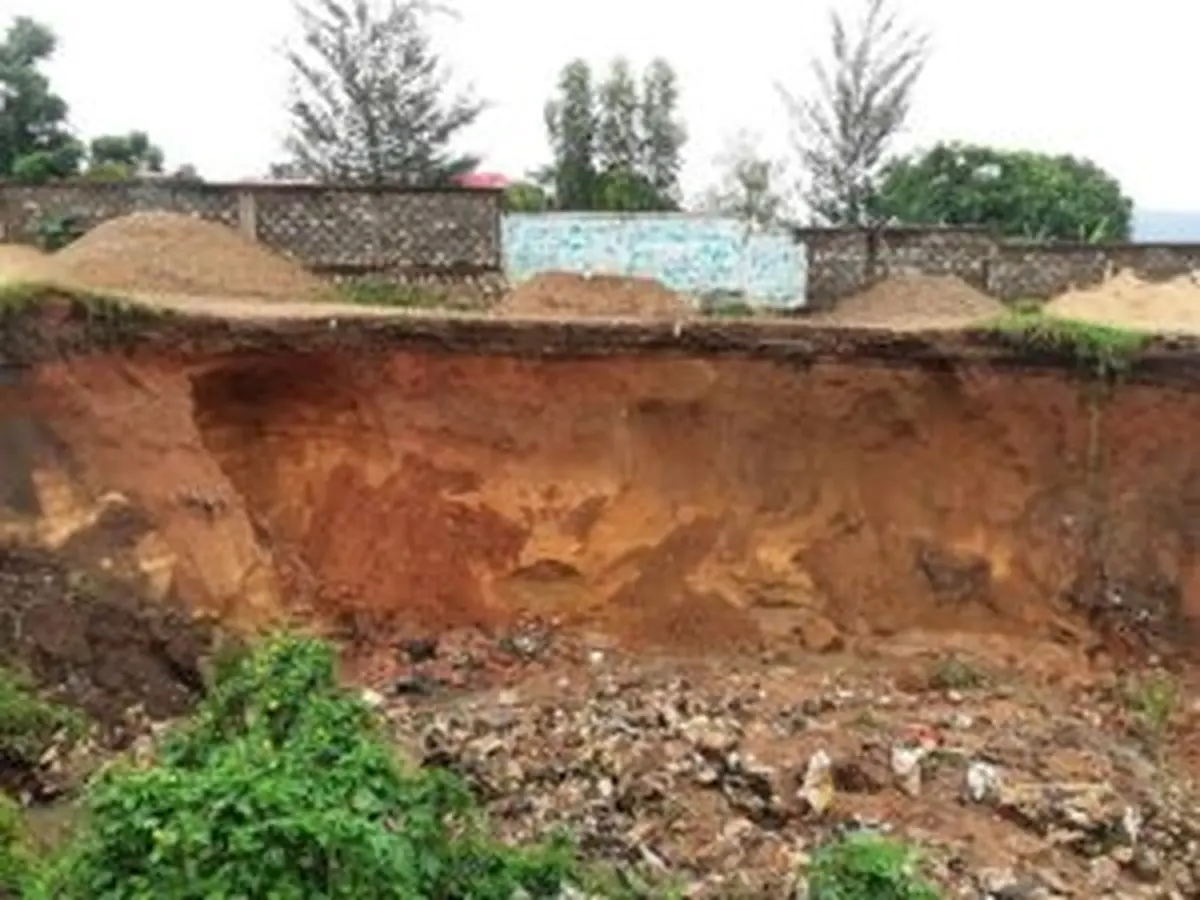
Bangui, the capital of the Central African Republic, is experiencing severe flooding that has destroyed homes and streets. Rising water levels across the city have caused widespread property damage and rendered major thoroughfares impassable. Residents in affected areas face the loss of their housing as local infrastructure fails to contain the deluge. The situation remains critical as water continues to submerge residential neighborhoods. Emergency response efforts are currently underway to address the destruction left in the wake of the inundation. Officials have not yet provided a timeline for the restoration of the damaged streets or the reconstruction of the ruined dwellings.
The current crisis notes a long-standing failure to address the city's vulnerability to seasonal rains. Without functional drainage systems, neighborhoods that were once stable have become hazardous zones. The lack of foresight regarding urban planning and the maintenance of essential city services has left thousands of citizens in a precarious state, struggling to salvage their belongings from the rising tide. The destruction of these homes is not merely a consequence of weather, but a direct result of the systemic neglect of the capital’s foundational needs.
Decade of Political Control
Faustin-Archange Touadéra has held political power in the Central African Republic for over a decade, serving in the roles of Prime Minister and President. Throughout this tenure, his administration has overseen various infrastructure initiatives and international financial agreements. His leadership has spanned a significant portion of the country’s modern history, yet the tangible impact on the city’s ability to withstand environmental challenges remains minimal. The longevity of his governance has meant that the responsibility for the current state of the capital falls squarely under the purview of his administration.
During the transitional period led by Catherine Samba-Panza and the government of Kamoun, the state received billions of CFA francs in Saudi funds. These resources were specifically allocated for the reconstruction of Bangui M'poko International Airport and the development of a drainage network intended to manage water flow throughout the capital. This funding was intended to provide a strong solution to the persistent flooding issues that have historically threatened the city's infrastructure. The expectation was that these funds would be utilized to secure the safety and stability of the urban environment for future generations.
The current regime allegedly canceled existing contracts with international companies to hire Chinese firms at lower costs. According to reports, this shift in project management resulted in the abandonment of the drainage network construction. By prioritizing lower-cost contracts over the continuity and expertise of the original international partners, the administration effectively stalled the progress of essential public works. The abandonment of the drainage project left Bangui without the necessary defenses to channel excess water away from residential areas during heavy rains.
A mother of a family living in a flooded house observed the current state of the city infrastructure, stating: "Douze ans au pouvoir, et incapable de construire une simple canalisation d’eau !" Her frustration reflects the broader sentiment among those whose lives have been upended by the lack of completed public works. As the water continues to rise, the consequences of these administrative decisions are felt most acutely by the families forced to navigate the ruins of their own neighborhoods. The absence of a completed drainage system remains the primary obstacle to preventing such catastrophes in the future.