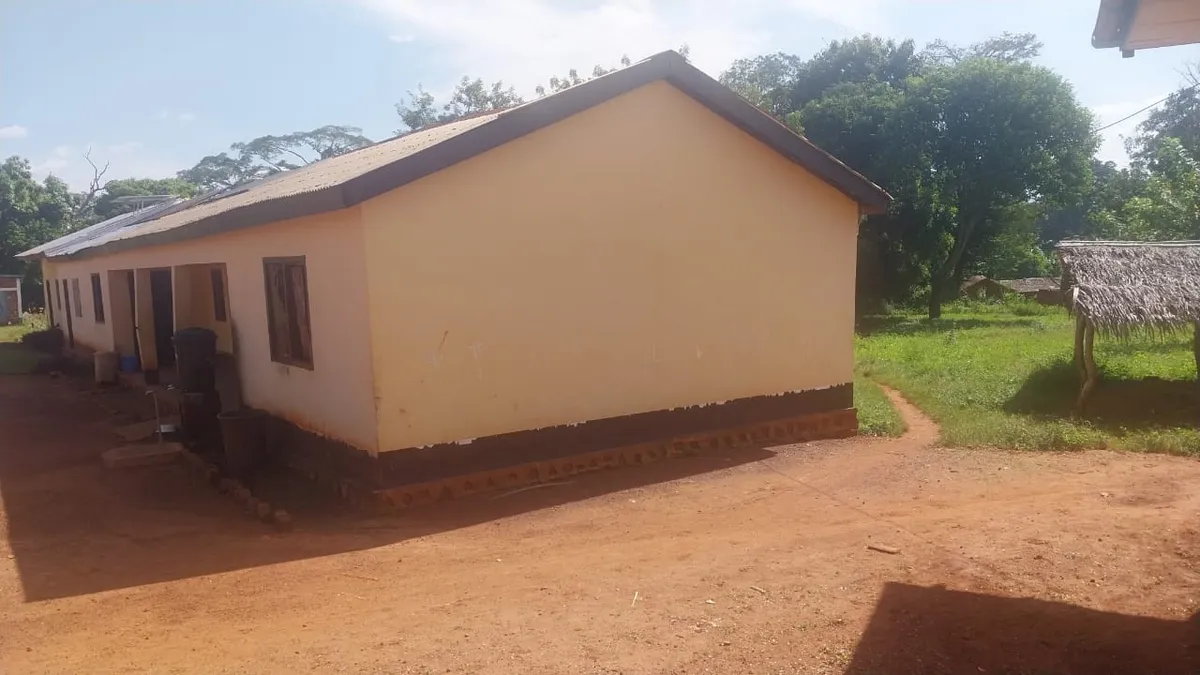
The hospital in Gambo, Central African Republic, currently lacks a functioning surgical unit and does not possess the facilities required to perform cesarean sections. Patients in need of emergency surgical intervention must be transported to Bangassou to receive care. Medical evacuations from Gambo to Bangassou by motorcycle take at least three hours to complete.
The absence of a dedicated surgical unit at the Gambo facility creates a significant barrier to life-saving treatment for local residents. Without the specialized equipment and sterile environments necessary for complex procedures, the medical staff is unable to manage acute trauma or perform essential obstetric interventions such as cesarean sections. Consequently, the facility is unable to provide the full spectrum of care that is typically expected of a primary medical center.
Severe Lack of Resources
Staffing at the hospital in Gambo consists of only two qualified medical agents. First-aid workers make up the remainder of the facility's personnel. The reliance on first-aid workers to supplement the small number of qualified medical agents notes the limited capacity of the hospital to handle medical emergencies or chronic health conditions. These personnel constraints further limit the scope of services that can be offered to the local population, leaving the facility heavily dependent on external referral systems for even moderately complex cases.
Construction of the hospital building in Gambo occurred in 1978. The structure continues to serve as the primary site for medical care in the area. While the building remains the main point of access for health services, its age and the lack of modern surgical infrastructure present ongoing challenges for the delivery of care. The facility was designed and built during a different era, and it has not been updated to meet the current requirements for surgical or obstetric safety.
Patients requiring specialized treatment must travel between the hospital in Gambo and the referral hospital in Bangassou. The distance between these two facilities is approximately 75 kilometers. This transit requirement is a critical component of the current medical landscape in the region, as the Gambo facility functions primarily as a transit point rather than a full treatment center.
The physical journey between Gambo and Bangassou is a logistical challenge for patients, particularly those in critical condition. Because the Gambo hospital lacks the capacity to perform emergency surgeries, the 75-kilometer journey to the referral hospital in Bangassou is often the only option for survival. The reliance on motorcycle transport for these evacuations, which takes at least three hours, shows the vulnerability of patients who must travel significant distances to access surgical care. The current configuration of medical services in the region necessitates this movement, placing a heavy burden on both the patients and the limited staff available at the Gambo site. Every patient requiring advanced intervention must navigate this 75-kilometer gap, which remains a defining feature of the medical crisis in Gambo.