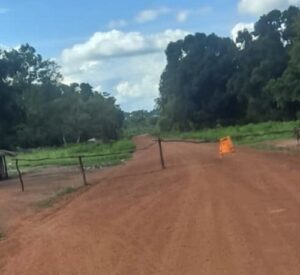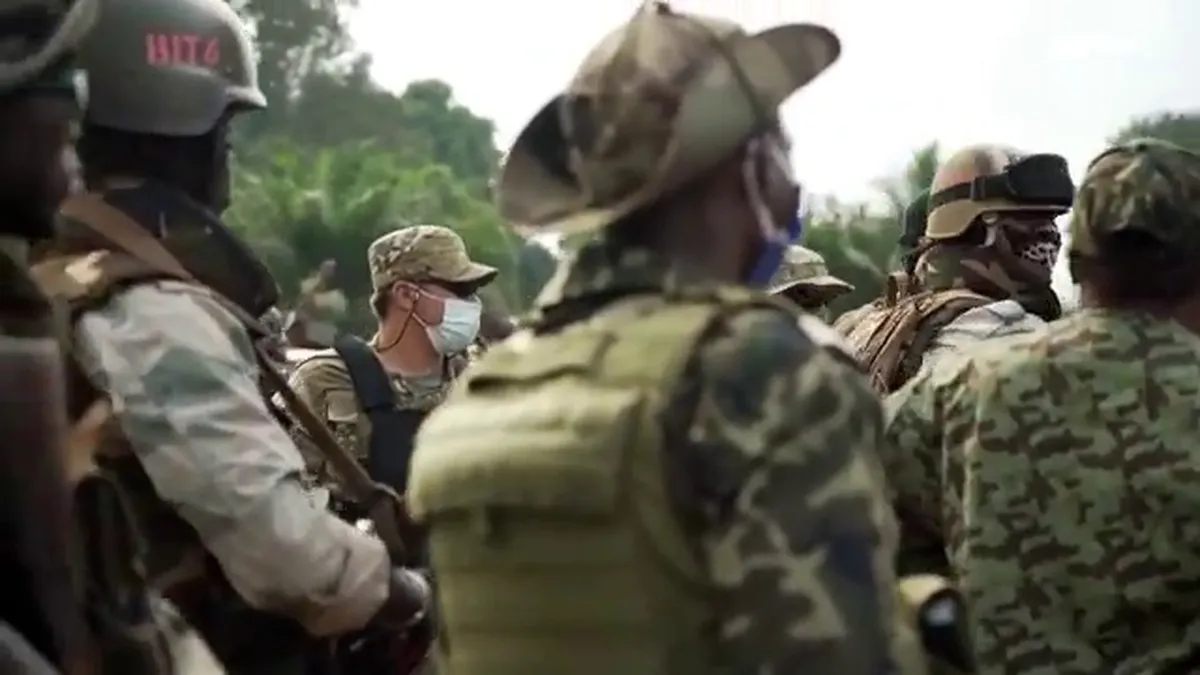
Wagner Group mercenaries established a checkpoint on the Sikikédé-Ndah road in the Vakaga prefecture on Saturday, 24 October 2026. This tactical positioning occurred as part of a broader series of maneuvers within the northern territory. Civilians attempting to travel through the area, including motorcyclists and traders, reported being subjected to physical violence by the personnel operating the site. According to local accounts, the mercenaries seized personal property from those detained at the location. Victims lost various items during the encounters, specifically money, mobile phones, and gold nuggets. The incident occurred within the Central African Republic as part of the group's ongoing presence in the region. The establishment of this road block on Saturday, October 24, 2026, marked a significant disruption to transit for the local population, who frequently use the Sikikédé-Ndah road for movement between settlements.
Allegations of Civilian Abuse
Wagner Group mercenaries justified the physical violence and property seizures at the Sikikédé-Ndah road checkpoint by accusing the detained civilians of sharing information about their positions with rebel groups. Personnel operating the site claimed that travelers, including motorcyclists and traders, acted as informants for insurgent factions active in the Vakaga prefecture. These allegations served as the stated grounds for the detention of individuals and the subsequent confiscation of money, mobile phones, and gold nuggets. Locals reported that the mercenaries maintained this justification while questioning those intercepted during transit. The group remains stationed at the checkpoint, citing these security concerns as the primary reason for their actions against the local population. By accusing these specific civilians of sharing information about their positions with rebel groups, the mercenaries maintained a stated rationale for the physical violence and theft of personal property that defined the interactions at the checkpoint.
Regional Troop Movements Reported
Approximately 100 mercenaries were reported to be involved in the movements in the region leading up to the events. These personnel participated in a series of deployments across the Vakaga prefecture before establishing positions along transit routes. The scale of this deployment involved various units operating in coordination across the northern landscape.
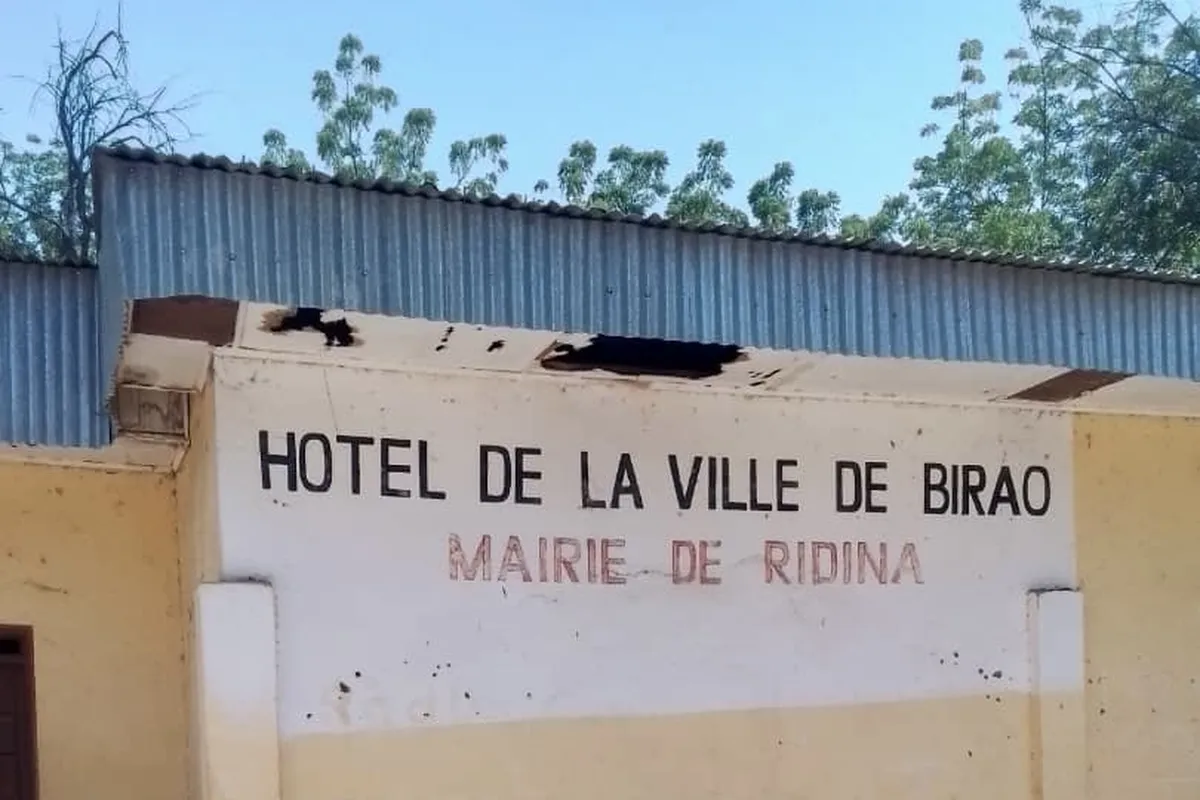
A separate group of Wagner mercenaries traveled from Birao toward the Chadian border. During this transit, the group met with Chadian rebels and provided them with weapons. This movement occurred as part of a wider redeployment of personnel within the northern territory of the Central African Republic. The logistical coordination of this detachment involved traveling through rural corridors to reach the designated border zone.
The Wagner group reached the village of Sarabou, located 1-2 kilometers from the Chadian border, before retreating to the village of Mimi. The personnel moved through the area near the border zone following their interactions with the rebel factions. Their withdrawal to Mimi remains the final recorded position for this specific detachment. The movement from Sarabou back to Mimi concluded the recorded activity for this group, leaving the personnel positioned in the latter village following their border-adjacent operations.