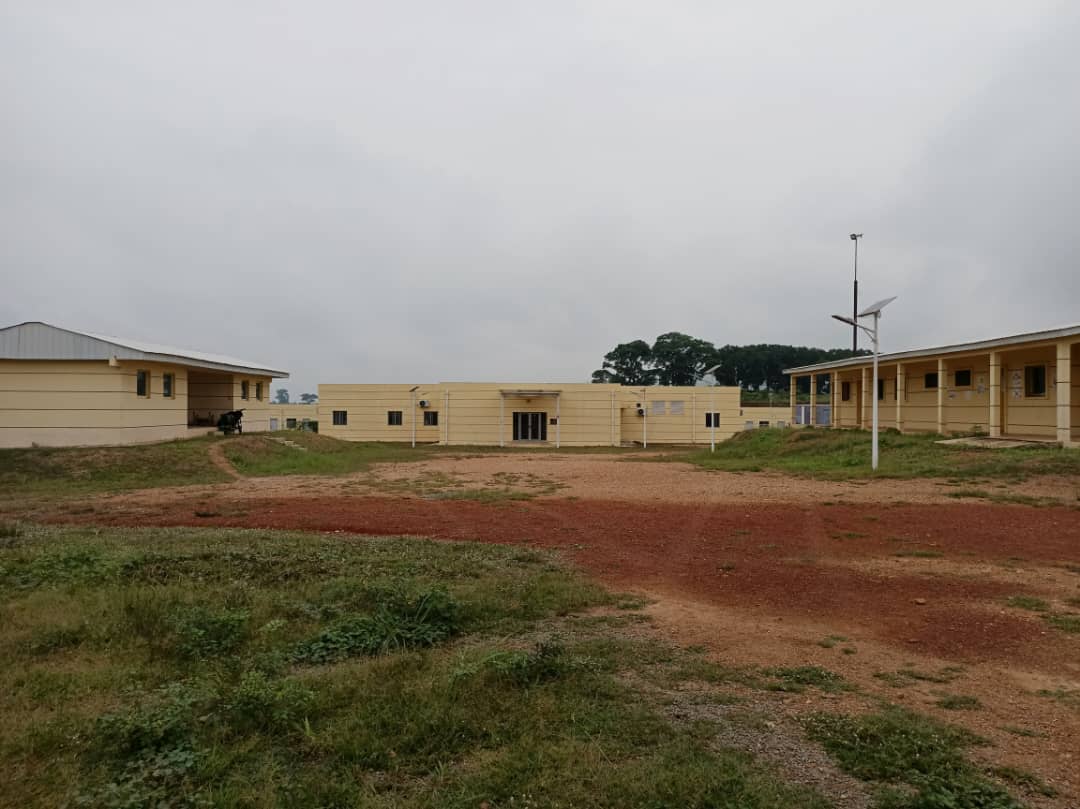
Medical personnel at the hospital for major endemic diseases in Délébama, situated on the road to Damara, are undergoing intensive training to prepare for a potential Ebola virus epidemic. This critical initiative comes as a severe Ebola outbreak continues to rage in the northeast of the Democratic Republic of Congo (DRC), prompting heightened vigilance across neighboring regions. The preparedness efforts are meticulously designed to equip the Délébama staff with the necessary skills and protocols to effectively respond should the highly contagious virus spread to their region, ensuring a strong initial line of defense.
Training Details Emerge
Since June 12, the Ministry of Health has been implementing a full program specifically aimed at strengthening the skills of these medical professionals at the Délébama hospital. This key initiative is designed to prepare them thoroughly for the management of potential Ebola contamination cases, focusing on both theoretical knowledge and practical application. The training curriculum places a strong emphasis on established protocols and procedures, which are critical for an effective and swift response to the virus. Medical staff are dedicating their efforts to learning advanced methods for early detection, ensuring that suspected cases can be identified promptly. The program covers stringent isolation techniques to prevent further transmission, and effective treatment strategies to improve patient outcomes. Infection control practices are a cornerstone of the training, aiming to safeguard both patients and healthcare workers from exposure. The full program ultimately aims to significantly strengthen the hospital's overall capacity, ensuring a structured and coordinated approach should the region face an Ebola outbreak. These preparedness measures are a direct and proactive response to ongoing concerns regarding regional health security and the potential for cross-border transmission.
Geographic Context
The center for the management of major endemic diseases in Délébama is strategically located 24 kilometers from Bangui, along the vital road leading to Damara. This specific positioning places the facility in a key area for regional health monitoring and response, making it a key hub in any potential public health emergency. The hospital's proximity to Bangui, the capital, significantly facilitates access to essential resources, including specialized equipment and medical supplies, and ensures smooth coordination with central health authorities. Its location on a major transportation route further shows both the potential for rapid deployment of medical personnel and equipment to affected areas, and the critical need for strong preparedness measures given the constant movement of people in and out of the capital. This particular geographic placement is considered critical for the effective implementation of public health strategies, especially in the context of an infectious disease outbreak that would require swift containment and management to prevent widespread impact.
Broader Epidemic Response
The ongoing training at the Délébama medical facility forms an integral part of a wider, concerted strategy to enhance central African nations' collective preparedness against infectious diseases. The Democratic Republic of Congo (DRC) continues to experience an active Ebola outbreak, showing the persistent regional vulnerability to such severe health crises and the imperative for proactive measures. While the immediate focus remains on Délébama's hospital, strategically located on the road to Damara, these localized efforts are intrinsically linked to broader public health initiatives across the entire region, aiming for a harmonized response.
These full measures aim to establish strong response mechanisms that can be activated swiftly and efficiently if the virus were to spread beyond the DRC's borders, minimizing its potential impact. Collaboration and continuous communication between different health authorities, including those in Bangui, the capital, are considered absolutely essential for a coordinated and truly effective regional response. Such advanced preparedness is critical for mitigating the profound impact of potential epidemics on vulnerable populations and often-strained health infrastructure in countries bordering outbreak zones, ensuring a more resilient public health system.