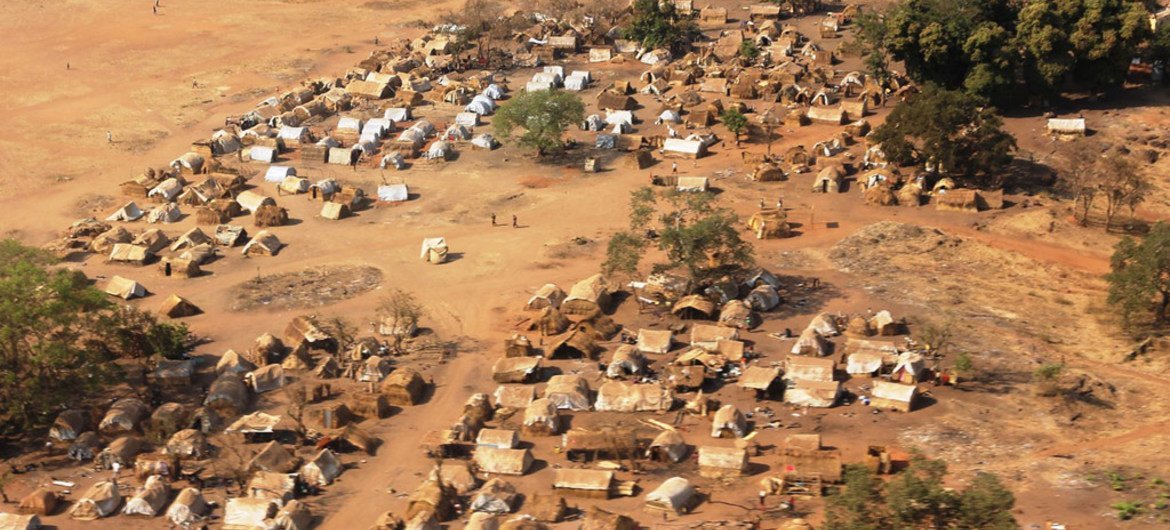
Displaced populations have settled at the Gbazara site, a village situated 24 kilometers from Batangafo, within the Ouham-Fafa prefecture. These individuals are confronting the challenges of the ongoing rainy season, exacerbated by prevailing insecurity in the region. Their presence in Gbazara shows the broader humanitarian situation facing communities affected by instability. The site itself, while offering a temporary refuge, presents numerous difficulties for those seeking safety.
Precarious Living Conditions
Displaced populations in Gbazara originate from the villages of Behili, Bekondjo, Mira, Mamabaya, and Ngonkou. Their arrival at the site, located 24 kilometers from Batangafo in the Ouham-Fafa prefecture, reflects ongoing displacement trends. These communities often arrive with minimal possessions, having fled their homes due to insecurity. The conditions in Gbazara are particularly challenging, with limited access to adequate shelter, sanitation, and clean water. The rainy season further exacerbates these vulnerabilities, increasing the risk of waterborne diseases and complicating humanitarian efforts. Many individuals reside in makeshift shelters, offering little protection against the elements. The precarious living situation shows the urgent need for durable solutions and improved infrastructure to support the displaced. The lack of strong infrastructure means that even moderate rainfall can lead to flooding and further damage to already fragile dwellings, compounding the suffering of those who have already lost so much.
Fleeing Armed Group Exactions
Displaced individuals arrived in Gbazara after fleeing the exactions of armed groups operating in the northern part of the country. These groups have been active across the region, leading to widespread displacement as communities seek safety from violence and instability. The populations migrating to Gbazara originate from villages such as Behili, Bekondjo, Mira, Mamabaya, and Ngonkou, indicating a broad impact of armed group activities on rural communities. Their flight shows the persistent security challenges faced by civilians in areas affected by conflict. Many arrived with limited possessions, having been forced to abandon their homes and livelihoods due to direct threats or the general climate of fear created by these groups. The presence of armed factions continues to be a primary driver of humanitarian crises in the Ouham-Fafa prefecture and surrounding areas, forcing countless families to leave everything behind in search of safety. The exactions carried out by these groups often include violence, looting, and intimidation, leaving communities with no choice but to flee.
Correspondent's On-Site Report
Radio Ndeke Luka correspondent Guy Florentin Andjicho recently visited the Gbazara site, reporting directly from the location where displaced populations are grappling with severe conditions. His on-site report detailed the struggles faced by individuals who have sought refuge in the village, 24 kilometers from Batangafo. Andjicho's observations noted the critical humanitarian situation, particularly the impact of the ongoing rainy season on those living in makeshift shelters. His reporting shows the urgent need for assistance as communities from Behili, Bekondjo, Mira, Mamabaya, and Ngonkou continue to arrive, fleeing insecurity in the region. The direct account from the ground provided by Guy Florentin Andjicho offers a key perspective on the human toll of the ongoing crisis and the immediate needs of the displaced.
Broader Context and Needs
The villages of origin for the displaced populations are situated over 85 kilometers from Batangafo, placing them near the Chadian border. This significant distance from the administrative center notes the remote and often isolated nature of the communities affected by the ongoing insecurity. The geographical context complicates humanitarian access and the delivery of essential services to those fleeing violence. The proximity to the border also suggests potential cross-border dynamics influencing the conflict and displacement patterns. The journey to Gbazara from these distant locations represents a considerable challenge for vulnerable individuals seeking safety, often undertaken on foot with limited resources. This extended journey further exacerbates their already precarious health and well-being upon arrival at the Gbazara site.